




By John Revill and Emma Farge
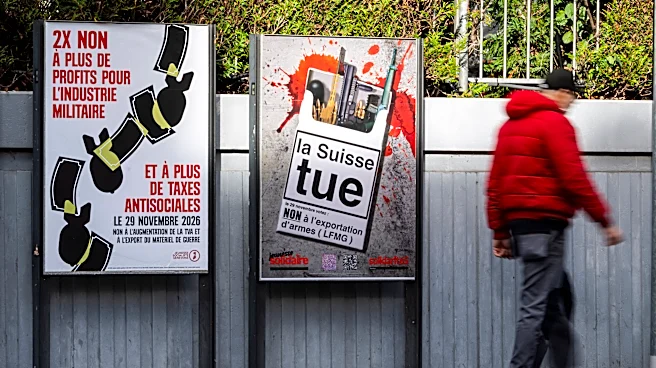
ZURICH/GENEVA, Nov 29 (Reuters) - Swiss voters accepted new measures to ease weapons exports by a narrow margin on Sunday, the government said, in a referendum touching on the country's neutrality tradition.
Switzerland follows the 1907 Hague Conventions on neutrality, which prevent it participating in armed conflicts unless directly threatened, or providing military support to any of the parties.
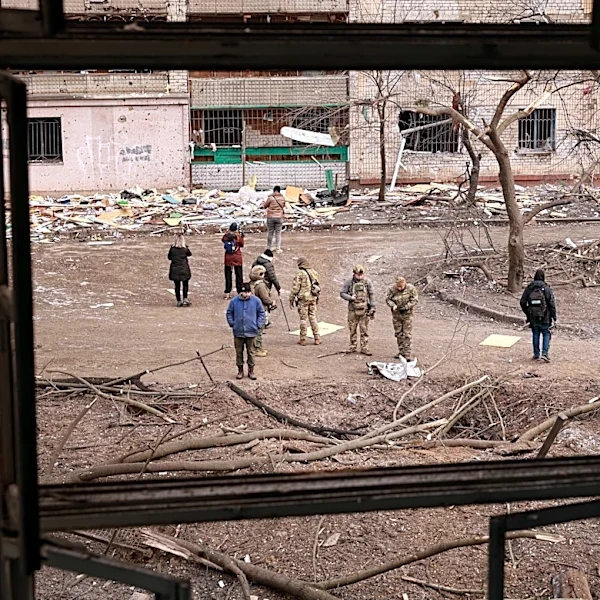
But that stance came under strain following Russia's 2022 invasion of Ukraine,
with European countries blocked by Bern from sending previously bought Swiss ammunition and combat vehicles to aid Kyiv.
The vote to ease weapons exports - worth around $1.15 billion a year - came as a relief to proponents who argued that the current law was harming both the domestic arms industry and defence cooperation with European neighbours.
"With this amendment, the Federal Council will regain the room for manoeuvre it once had to defend the country's interests in an uncertain geopolitical context," Swiss President Guy Parmelin said in a press briefing.
Final poll results showed the amendment was backed by 54.3% of voters.
Swiss arms exports plunged in 2023 and 2024, raising concerns about the local arms industry and Switzerland's ability to defend itself.
"This strengthens the industrial base of Switzerland’s defence capabilities and restores more reliable framework conditions for companies," said industry association Swissmem after the vote.
NO UKRAINE APPLICATION
The proposal, backed by the Swiss government, allows Bern to send weapons to 36 western countries, even if they are involved in conflicts, a move previously prohibited under neutrality laws.
It will also allow Switzerland to sell weapons to countries without demanding a clause for Bern's permission to allow re-export of previously purchased equipment.
The easing of curbs will not apply to Ukraine, which will remain blocked from receiving Swiss equipment directly or indirectly.
The referendum came after the Swiss parliament voted last year to reduce restrictions on war materiel exports. It was then put to a vote under the country's tradition of direct democracy.
NEUTRALITY CONCERNS
Supporters say the changes will uphold Switzerland's defence capabilities and protect its arms industry. France's defence minister on Friday said opportunities for future industrial collaboration would be reduced if the restrictions remained.
But opponents voiced concern that the relaxation will undermine Swiss neutrality, and could lead to more of its weapons being used in civil wars.
Geneva, home to the United Nations and the International Committee of the Red Cross, was one of a handful of cantons that opposed the changes.
The new rules are set to be implemented in the first half of 2027. Parmelin said he hoped that would be in time to stop some companies' plans to relocate a portion of their production abroad, although some have already done so.
"(It) gives us the means to defend our security without abandoning our moral principles," he said, stressing that arms exports would be carefully vetted.
Before the vote, voting intentions were finely balanced, with 49% in favour of easing the restrictions and 48% against, according to a survey by newspaper group Tamedia.
Swiss voters on Sunday also accepted a separate proposal to curb noisy fireworks.
(Reporting by John Revill and Emma Farge; Additional reporting by Rachel More in Berlin; Editing by Christina Fincher)