





By Clement Bonnerot, Anait Miridzhanian and Robbie Corey-Boulet
DAKAR, Oct 22 (Reuters) - The Ebola patient in Nigeria, the Ugandan-born wife of a Swiss diplomat based in Abuja, is believed to have contracted the disease while travelling in Uganda, a Swiss government statement to Reuters said on Thursday.
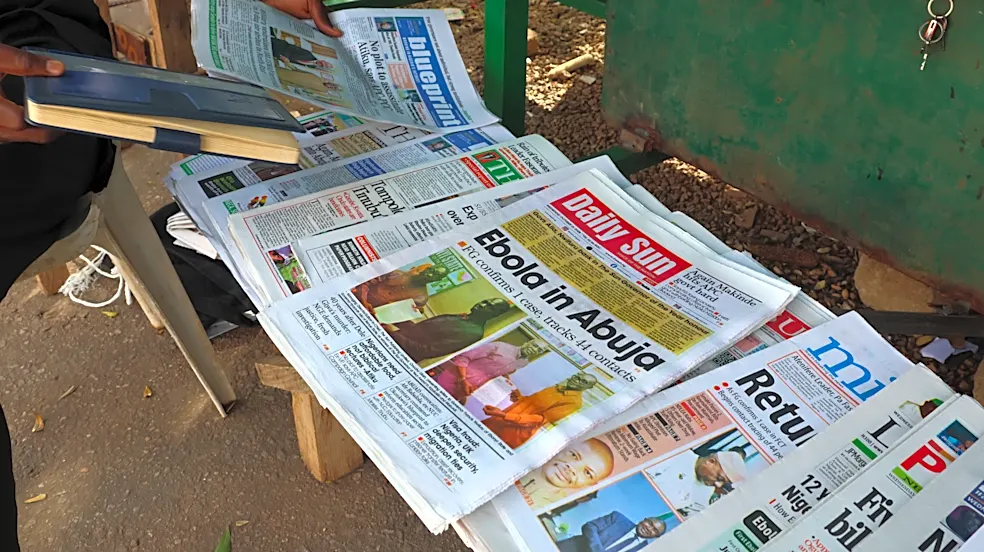
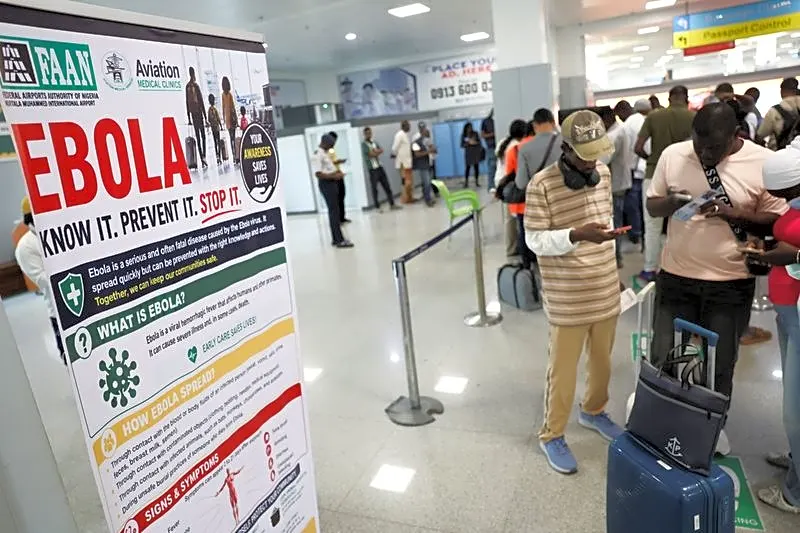
Nigeria reported the case, its first Ebola case in more than a decade, on Tuesday, becoming the fourth African country and the most populous yet to be affected by an outbreak that was announced in Democratic
Republic of Congo in mid-May and has since become the fastest-spreading on record.
Ugandan authorities have said the woman who fell ill in Nigeria had travelled to eastern Congo before transiting through Uganda. But the World Health Organization and Africa's top health agency said on Thursday they had not received confirmed information that the woman had travelled to Congo.
The woman "has been in a private clinic in Abuja for around a week with symptoms. She is believed to have contracted the virus whilst travelling to Uganda around two weeks ago," said an emailed statement from the Swiss Federal Department of Foreign Affairs.
"Her husband is in isolation; he has not shown any symptoms. He was travelling with his wife when she is believed to have contracted Ebola."
Uganda reported 20 cases in May and June, mostly imported from Congo, but the World Health Organization declared the country Ebola-free in August.
A Ugandan government spokesperson did not immediately respond to a request for comment on Thursday.
AFRICA CDC, WHO SAY NO INFORMATION THAT PATIENT WENT TO CONGO
Africa Centres for Disease Control and Prevention official Wessam Mankoula said on Thursday that Nigeria and Uganda were sharing information to establish the patient's movements and possible source of exposure.
"So far, there is no validated information (that) this case traveled to DRC (Democratic Republic of Congo)," Mankoula told an online press conference.
The WHO said information it had received about the case did not include travel outside Uganda.
"The facts which we have received is that the patient returned to Abuja on October 3, being away from September 16 in Uganda," WHO representative to Nigeria Pavel Ursu told the press conference.
Ursu said the focus in Nigeria was now on containing the viral infection and that the patient remained hospitalised, with her biochemical markers improving.
Jean Kaseya, Africa CDC director, told Reuters on Wednesday that the patient had been on a two-week holiday in Uganda.
Patrick Otim, a WHO emergency response manager, said on Thursday the source of her infection was still unknown as health authorities were working to piece together her travel history.
One issue that is under investigation is which health facilities the woman visited in Abuja after the onset of her symptoms and before her hospitalisation 48 hours later, Otim said.
KENYA TRACES ALL CONTACTS OF FIRST CASE
Separately, a senior Kenyan health official said authorities there had now traced all 135 contacts of the country's first Ebola case, which was confirmed on October 6 and after which a further eight cases have been reported.
"We have been able to account for them 100%," health ministry director-general Patrick Amoth said. He said the last contact to be traced was a citizen of Uganda who had arrived in Kenya in early October on the same flight as the index patient but exited by road via the Namanga border post with Tanzania, which meant it took more time to find him.
Africa CDC is investigating whether the Kenyan case may have come into contact with the patient being treated in Nigeria, as both travelled from Entebbe airport on the same day, Mankoula said. Possible transmission between the two was "one of the possible scenarios" being examined, he said.
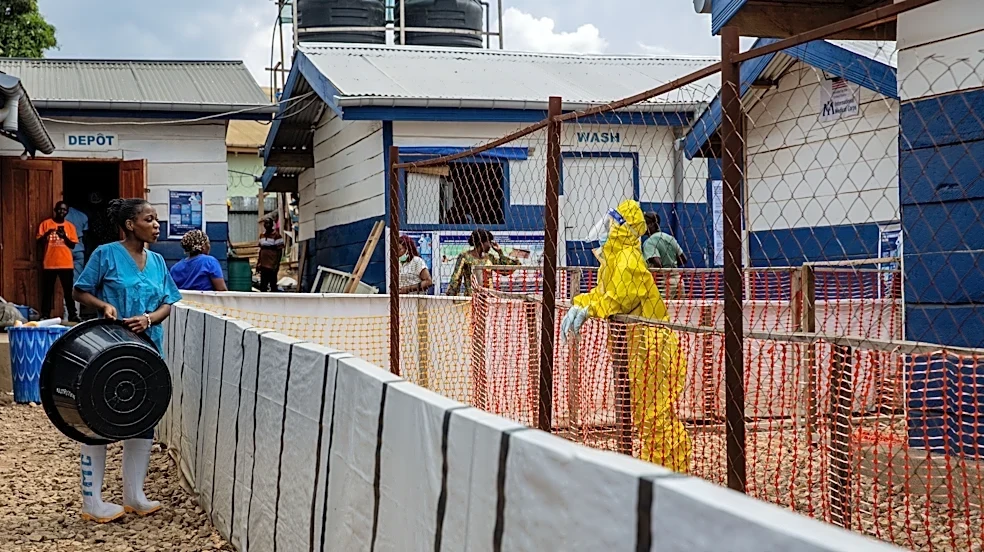
Ebola spreads through direct contact with the bodily fluids of infected people, whether living or dead. The disease can cause fever, vomiting, diarrhoea and, in severe cases, internal and external bleeding.
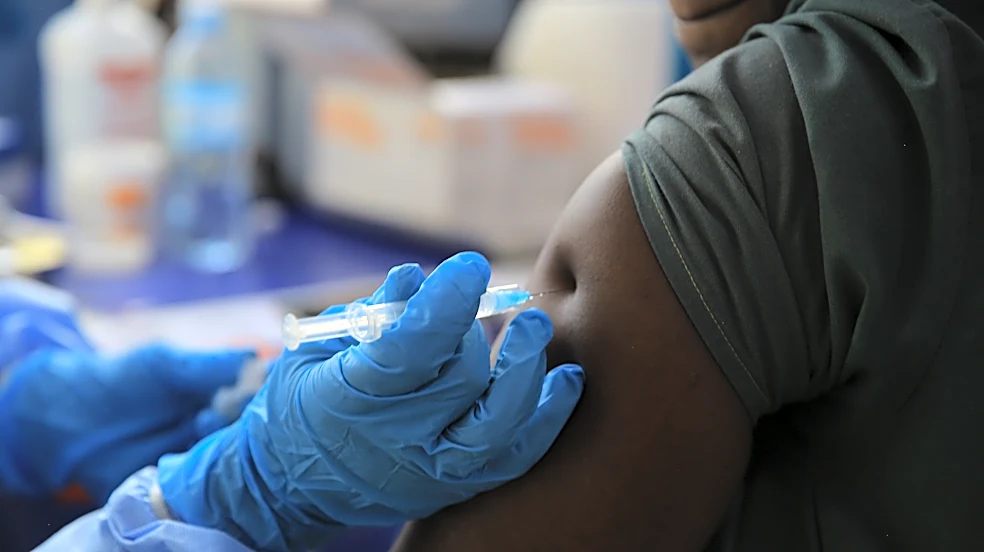
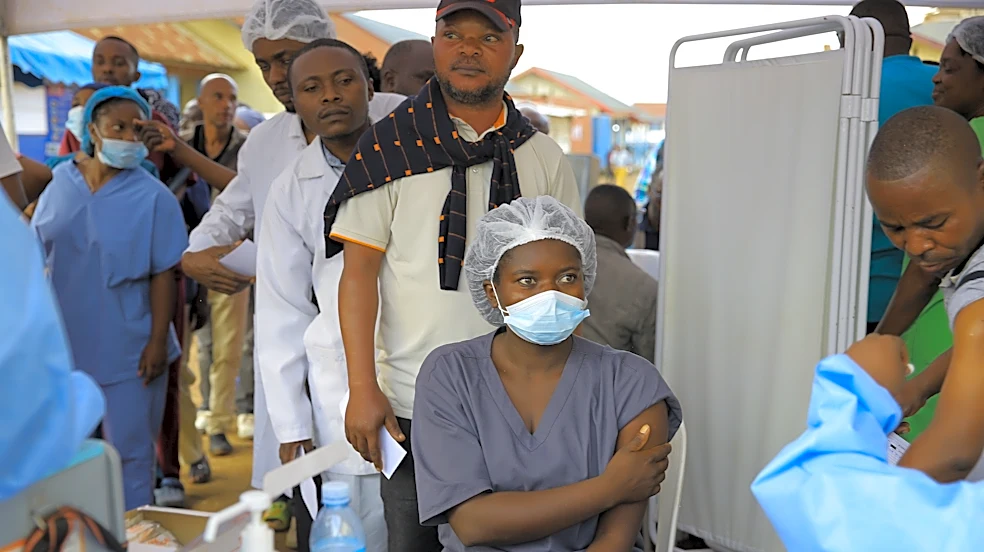
The rare Ebola species behind the current outbreak kills about half of those infected and has no approved treatment or vaccine.
So far the outbreak is confirmed to have killed about 4,700 people across the four African countries that have reported cases, according to the Africa CDC.
(Reporting by Clement Bonnerot, Robbie Corey-Boulet and Anait Miridzhanian;Writing by Alexander Winning; Editing by Robbie Corey-Boulet and Ros Russell)