
LONDON, Jan 13 (Reuters) - Britain's consumers reined in their spending in December by the most in almost five years, according to debit and credit card data from Barclays published on Tuesday, adding
to other signs of household caution before Christmas.
Separate figures from the British Retail Consortium also painted a weak picture with sales growth among retailers slowing for the fourth month in a row in December as shoppers waited for post-Christmas discounts.
Britons turned cautious about their spending at the end of last year with worries about tax increases in finance minister Rachel Reeves' budget added to concerns about inflation and a slowing economy.
Leading supermarket chain Sainsbury's last week reported weak non-food sales in the holiday season.
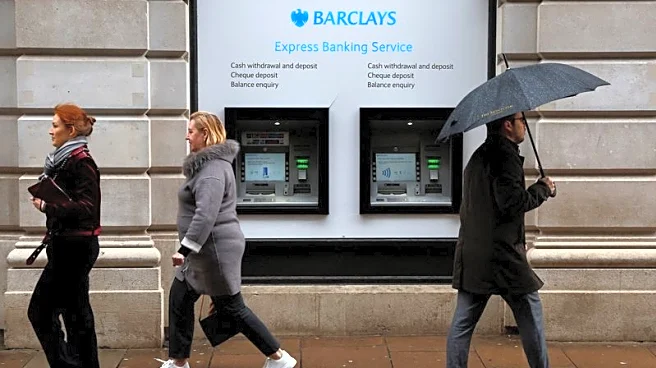
Barclays said overall consumer card spending fell by 1.7% in December from the same month in 2024, the biggest such drop since the 12 months to February 2021, during the COVID pandemic.
Spending on essential items dropped for the eighth consecutive month, Barclays said.
Reflecting worries about inflation, more than half of the people surveyed by Barclays said they planned to reduce spending on food and discretionary items this year.
"These numbers suggest 2025 ended with a whimper," Jack Meaning, chief UK economist at Barclays, said.
"However, we expect inflation to ease significantly in the first half of 2026, which, alongside a further easing of interest rates, should provide consumers with respite, unlocking real spending power."
Barclays' measure of consumer confidence rose slightly in December but remained below its 2025 average level.
The BRC's data showed sales among leading retailers - a narrower measure of spending than that of Barclays - rose by 1.2% year-on-year in December, slowing from an increase of 1.4% in November and the weakest improvement since May.
"Many people were clearly holding out for discounts, with the last week showing significant growth off the back of Boxing Day and beginning of the January sales," BRC Chief Executive Helen Dickinson said.
Food sales rose by 3.1% but the increase was driven largely by higher prices. Non-food sales were almost flat with fewer Christmas gifts sold than expected, the BRC said.
The Barclays spending data covered card spending between November 25 and December 24. The BRC survey covered the five weeks to January 3.
(Writing by William Schomberg; editing by David Milliken)