
By Alexandra Valencia
QUITO, Feb 26 (Reuters) - Ecuador will increase tariffs on Colombian imports to 50% from the current 30% from March 1, the government said on Thursday, escalating a trade spat between the neighboring countries fueled by fears over border security.
Ecuador slapped a 30% tariff on imports from Colombia in early February, citing a trade deficit and a lack of cooperation in combating drug trafficking along their shared border.
Colombian authorities have maintained that they cooperate
on fighting border crime, citing joint operations between both countries that resulted in the seizure of drug shipments.
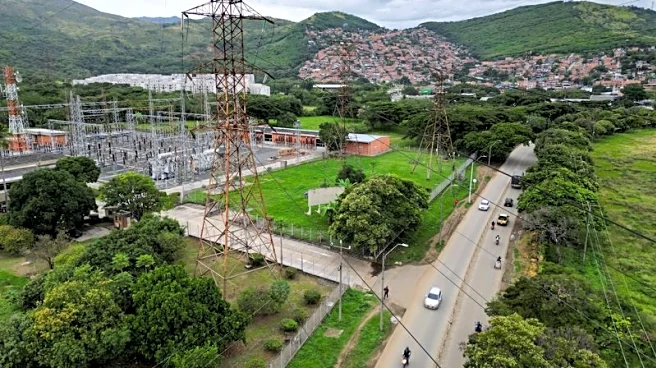
Ecuador's government did not immediately respond to Reuters on whether this tariff would apply to electricity, a key import from Colombia in times of drought when hydroelectric dams dry up. Colombia halted sales to Ecuador after the initial tariff.
Shortly after the first tariffs, Ecuador increased its fee on Colombian crude transported through its SOTE pipeline by 900% to $30 per barrel, prompting Colombia to halt shipments.
'SECURITY FEE'
Ecuador's production ministry described the latest tariff increase as a security fee, "after noting Colombia's failure to implement concrete and effective measures in the area of border security."
"This decision is based on national security criteria to strengthen co-responsibility in a task that must be joint: confronting the presence of drug trafficking on the border," a ministry statement added.
Colombia has repeatedly denied allegations that it is failing to tackle drug smuggling.
It previously retaliated by placing its own 30% tariff on Ecuadorean goods and banning the overland entry of certain food products, and halting electricity sales to its smaller neighbor.
Both countries have taken their claims to the Andean Community of Nations (CAN), a regional trade bloc.
Ecuador, which also imports significant quantities of medicines and pesticides from Colombia, logged a trade deficit with Colombia of $1.03 billion through 2025, according to government data, excluding oil.
Ecuadorean President Daniel Noboa has made a hardline stance on crime a cornerstone of his administration, invoking extraordinary powers and expanding the role of the military.
Colombian President Gustavo Petro also uses military operations to fight the drug trade but has emphasized social and economic programs, such as crop substitution initiatives for coca farmers.
(Reporting by Alexandra Valencia; Writing by Aida Pelaez-Fernandez; Editing by Sarah Morland, William Maclean)