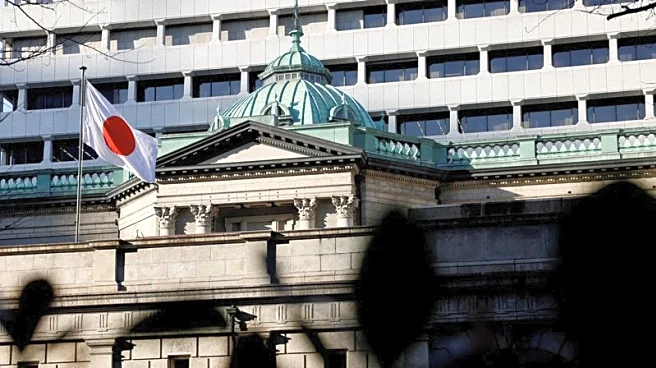


SYDNEY, March 17 (Reuters) - Australia's central bank raised its cash rate for a second straight month on Tuesday, saying higher borrowing costs were needed to contain inflation, though a very tight vote suggested further tightening is far from certain.
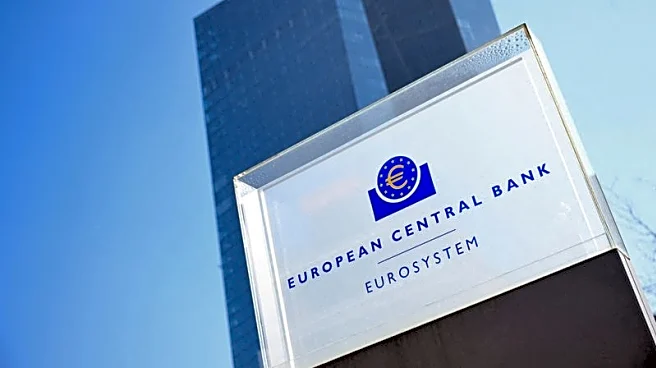
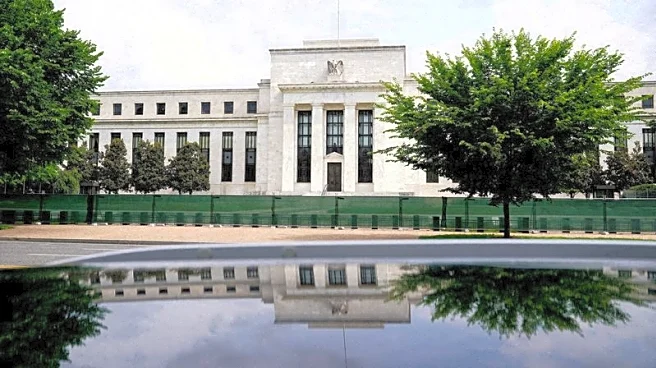
The Reserve Bank of Australia kicked off a critical week for major central banks as the Middle East war intensifies and sharply higher oil prices threaten to re‑ignite global inflation pressures. Policymakers elsewhere, including at the Federal Reserve and the European
Central Bank, are widely expected to keep interest rates unchanged.
Wrapping up the March policy meeting, the RBA raised its main cash rate by 25 basis points to 4.1%, a 10-month high and undoing two of the three cuts it made last year. Five board members voted for the increase, while four voted against in the closest decision since they started revealing the voting.
Markets had wagered on a 75% probability of a hike after senior RBA officials flagged the meeting as "live," with inflation stuck above the 2%-3% target band and the labour market still running hot. All "Big Four" Australian banks tipped a rise.
"Developments in the Middle East remain highly uncertain, but under a wide range of possible scenarios could add to global and domestic inflation," the board said in a statement.
"The board judged that inflation is likely to remain above target for some time and that the risks have tilted further to the upside, including to inflation expectations."
The Australian dollar slipped 0.2% to $0.7060 given the close call, while three-year government bond yields fell 7 basis points to 4.509%.
Investors pared back the chance for another hike in May, which is now priced around 30%.
RATE CUTS BEING UNDONE
The RBA took a gentler path than its global peers during the inflation surge, prioritising hard-won gains in the labour market over rapid tightening. Interest rates peaked at 4.35% early last year before three cuts brought them down to 3.6%.
However, that approach saw inflation rear its head again from the second half of the year, forcing the RBA to raise rates again last month. Headline CPI ran at 3.8% in January and the core measure hit a 16-month high of 3.4%, going in the wrong direction.
The labour market also remained tight, with the jobless rate holding at a historic low of 4.1%. The economy grew 2.6% from a year earlier in the December quarter, the fastest annual pace in almost three years and way above the RBA's 2% estimate of potential.
With no end in sight to the Middle East conflict and oil holding above $100 a barrel, inflation risks are firmly skewed to the upside.
The RBA's latest February forecasts already pencilled in headline inflation reaching 4.2% by mid-year before the war unleashed a fresh global oil shock.
Consumer confidence took a hit, with a survey from ANZ on Tuesday showing sentiment last week was at the lowest level since early 2020 when the first pandemic lockdowns were announced.
(Reporting by Stella QiuEditing by Shri Navaratnam)