






By Jonathan Stempel
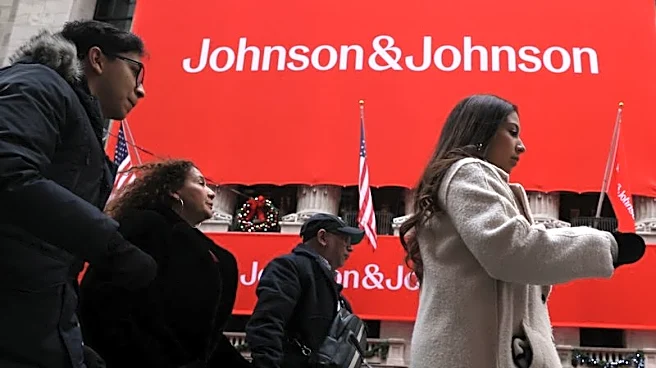
NEW YORK, April 17 (Reuters) - A U.S. judge has rejected Bayer's request for an injunction to block Johnson & Johnson's alleged false advertising that its multibillion-dollar drug cuts the risk of death from prostate cancer in half.
In a decision on Friday night, U.S. District Judge Dale Ho in Manhattan said Bayer did not show it was likely to succeed on the merits of its claims, which included that Johnson & Johnson's campaign for its drug Erleada caused irreparable harm and threatened
to erode trust in Bayer's own drug Nubeqa.
Bayer sued Johnson & Johnson on February 23, accusing it of falsely claiming that patients had a "51% reduction in risk of death" if treated with Erleada instead of Nubeqa, based on testing that adhered to "rigorous" U.S. Food and Drug Administration standards.
The German drugmaker said claims Erleada worked better were unreliable because most Nubeqa patients received their drugs off-label. It also said the FDA did not vet Johnson & Johnson's backward-looking, real-world analysis as a substitute for traditional clinical trials.
In a 41-page decision, Ho said Johnson & Johnson's communications accurately represented its study's conclusions, and Bayer did not identify methodological errors that were "so substantial" as to make the New Brunswick, New Jersey-based drugmaker's claims materially false or misleading.
"Based on the current record," the judge wrote, "the methodological choices made by the authors of the study were not errant or out-of-step within the relevant scientific community."
In response to the decision, Bayer spokeswoman Sue Ann Pentecost said in a statement: "Bayer continues to believe the full body of evidence supports its false advertising claims and looks forward to the court’s determination on the merits of the case."
Johnson & Johnson, in a statement, called the decision "a win for scientific exchange and a strong win for patients.... Real-world evidence helps clinicians make informed treatment decisions, especially when head-to-head clinical trials data are not available."
About 313,780 men were diagnosed with prostate cancer in the United States in 2025, and 35,770 died from the disease that year, according to the National Cancer Institute.
Nubeqa sales totaled 2.39 billion euros ($2.81 billion) in 2025, while Erleada sales totaled $3.57 billion.
(Reporting by Jonathan Stempel in New YorkEditing by Nick Zieminski, Rosalba O'Brien and Alistair Bell)