




By Tom Hals
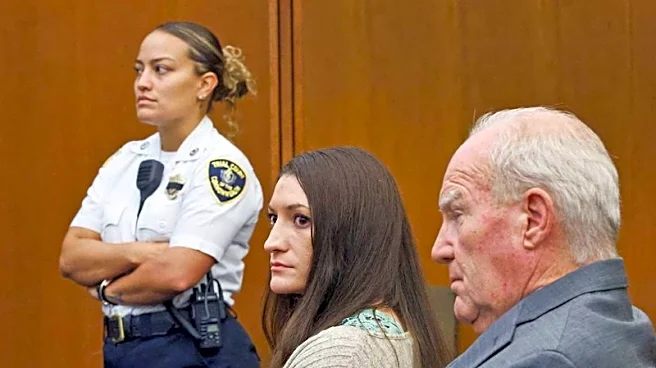
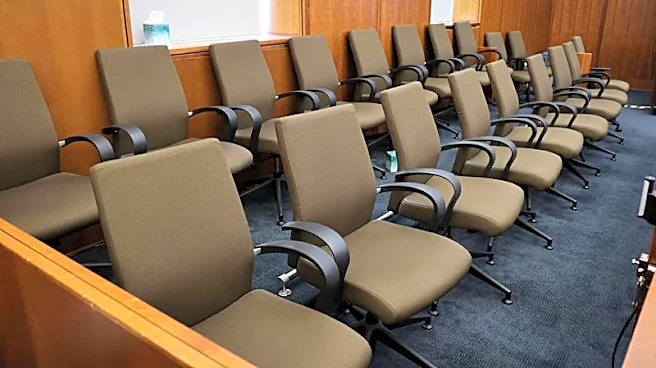
Sept 4 (Reuters) - For jurors in the six-week murder trial of Lindsay Clancy, the end of their service could be the start of the emotional fallout.
The jurors listened to a gut-wrenching emergency call from Clancy's now ex-husband, reviewed gruesome autopsy photos of the three young children she strangled and spent nearly seven days deliberating. After being dismissed from the trial, each Clancy juror received a pamphlet containing a QR code to request counseling services as part of Massachusetts'
juror counseling program.
The Clancy trial is a high-profile test of a small but growing movement to address the psychological toll of jury service. Academic studies show that as many as half of all jurors experience trial stress, and states are examining programs in Massachusetts and Pennsylvania as models for providing mental health support.
Pamela Wood, who helped launch the Massachusetts program in 2022 when she was jury commissioner, described it as a psychological first-aid kit to help provide some immediate relief from the trial impact.
During a trial, jurors are required to abstain from discussing the case with anyone or conducting their own research, which adds to the strain of jury service, Wood said.
"When people experience something trying or troubling, people first say, 'Talk to someone and unburden yourself to family and friends and get it off your chest'," said Wood, who retired this year. The current Massachusetts jury commissioner declined to comment.
TRIAL STRESS COMMON: STUDIES
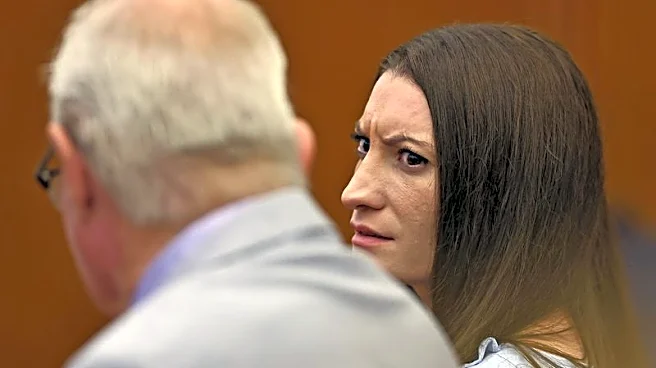
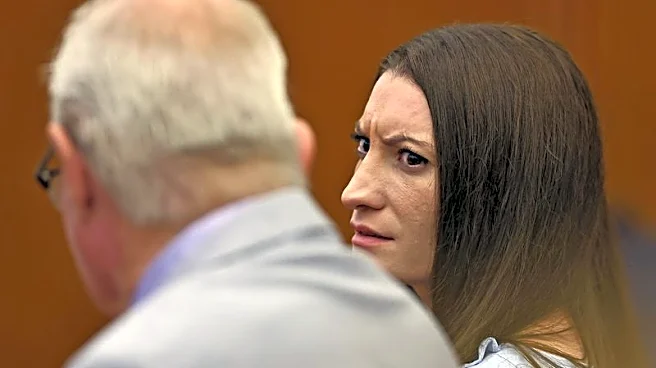
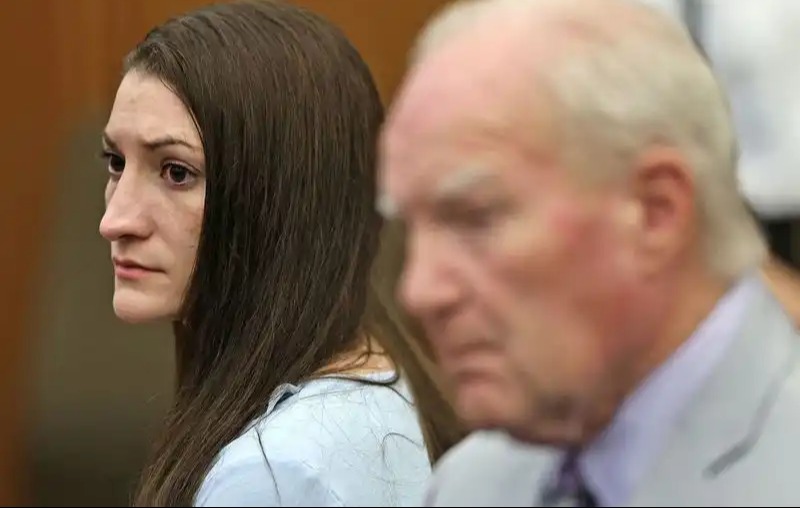
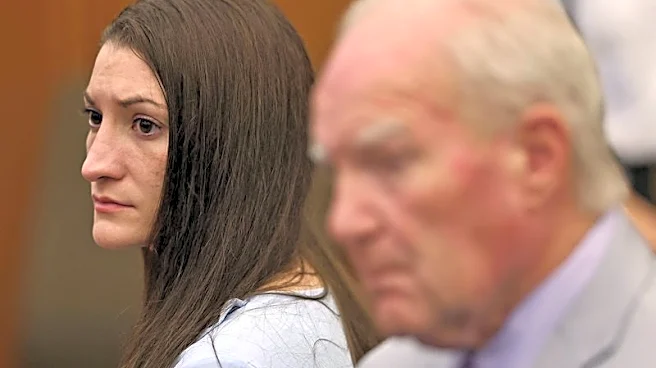
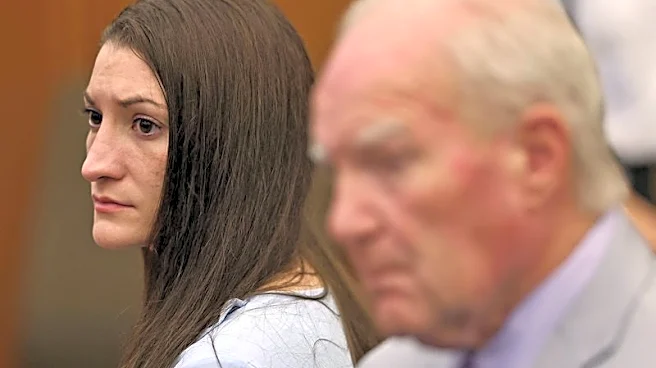
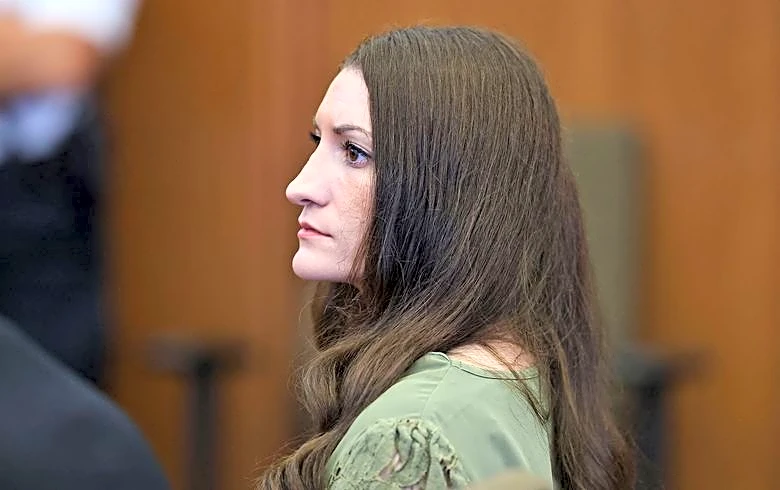
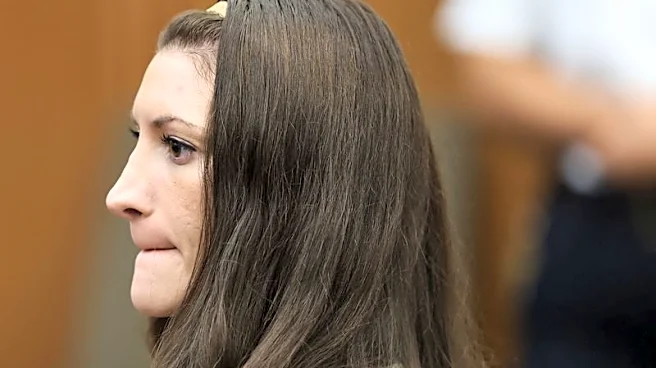
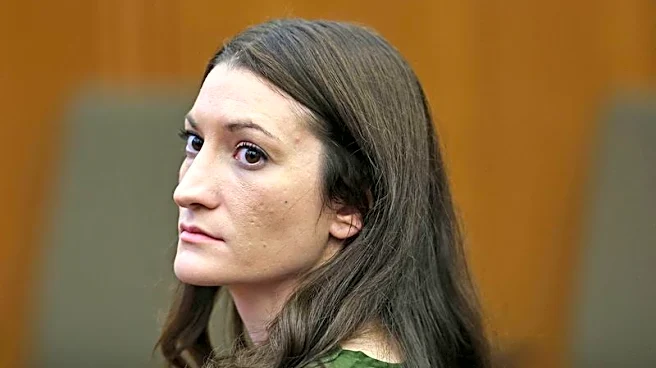
Clancy, 36, strangled her three children with exercise bands in January 2023 in the basement of their home in the Boston suburb of Duxbury. The judge declared a mistrial on Friday after the jury remained deadlocked.
The strain on the jurors had been clear for days. They had told the judge one juror acknowledged doubt but refused to apply it to the verdict. The judge repeatedly told them to keep trying to reach the required unanimous decision.
Marc Ocasio, 29, an accountant who lives in Philadelphia, was a juror in a June trial of a serial killer. He said he found it difficult listening to details of the victims’ lives and seeing their families crying in court. “That part of adding the humanity to it is what made that experience really uncomfortable.”
Philadelphia launched a jury mental health program last year in partnership with West Chester University, modeled on Massachusetts' program. Ocasio said the counseling he received provided coping techniques, such as scheduling time for walks, which he said helped with his nightmares and social withdrawal that followed the trial.
Patrick Martin, the jury commissioner in Philadelphia, said he initially assumed jurors would need help in violent homicides or with crimes against children. But it soon became clear jurors struggled in all sorts of cases, along with deliberations and deciding another person's guilt. "When it was all said and done, that is when they called West Chester and said, 'Listen, I know I technically did the right thing, but I feel awful'," Martin said.
In years past, judges dealt with potentially traumatizing evidence by giving jurors more frequent breaks or projecting an outward sense of calm, according to experts. Only in recent years has the need for jury counseling taken hold, although proponents said some judges have been resistant.
Jurors in Massachusetts and 12 Pennsylvania counties, including Philadelphia, receive a pamphlet at the end of their service informing them of the confidential counseling program. Several states provide less-formal jury debriefing sessions, and Texas, Alaska and federal courts make counseling available in limited jurisdictions or certain types of cases, or at a judge's discretion. Martin and Wood said several states have shown interest in copying their programs.
The Massachusetts and Pennsylvania programs provide a counselor who is trained to listen deeply without judgment, offer coping mechanisms such as breathing techniques and help jurors normalize their experiences and reactions, according to Wood and Martin.
Philadelphia and Massachusetts summon tens of thousands of jurors every month, but only a few call for counseling and most jurors do not request a second session, they said.
Ocasio, the Philadelphia juror, said some aspects of the counseling could have been better, but he recommends other courts adopt it and expects the Clancy jurors will find it helpful.
"I can't imagine the mental burden they have," he said.
(Reporting by Tom Hals in Wilmington, Delaware; Editing by Noeleen Walder and Rod Nickel)