







By Enas Alashray, Idrees Ali and Jana Choukeir
CAIRO/WASHINGTON/DUBAI, Sept 10 (Reuters) - Iran-aligned Houthi militants seized control of Yemen's port city of Mocha on Thursday, military sources said, posing a further threat to global energy supplies hours after President Donald Trump said he expected the war to end after mid-term elections.
Four Yemeni government military sources said the Houthis had gained further leverage over the Bab el-Mandeb Strait, the southern outlet of the Red Sea and one
of the world's most important shipping routes, and were launching attacks on the strategic islands of Hanish.
The Houthis entered the current war alongside Iran with an attack on Israel on March 28, but largely stayed quiet before declaring a naval blockade against Saudi Arabia in July and stepping up attacks on the south of the kingdom in September.
Saudi Arabia, the world's largest oil exporter, has relied on the Red Sea shipping route since the Iran conflict effectively closed the Strait of Hormuz, through which a fifth of global oil used to flow.
Riyadh and Tehran, despite a China-brokered thawing of relations, have long been regional rivals and deeply distrust one another.
Tensions in the region were high on Thursday, with Saudi civil defence authorities issuing emergency alerts in the southwestern city of Khamis Mushait for the fourth time in 24 hours, as the Houthis attacked.
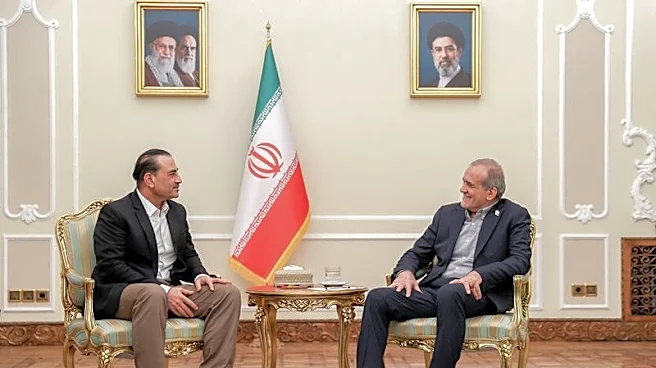
Pakistan has delivered a Saudi warning to Iran to rein in its Yemeni Houthi allies in an effort to prevent the crisis from spiralling, Saudi, Pakistani and Iranian sources said.
A senior Iranian official confirmed that Pakistan conveyed the message to Tehran on Tuesday and its response was that "Iran does not control the Houthis".
The escalating conflict in Yemen between Saudi Arabia's Yemeni allies in the internationally backed government and the Houthis, comes as Iran and the United States staged their biggest declared wave of tit-for-tat attacks on shipping in the Gulf region since the war began in February.
The U.S. President threatened again to attack a site associated with the Islamic Republic's nuclear programme.
Brent crude prices hovered above $100 a barrel as supply routes through both the Strait of Hormuz and the Red Sea remained heavily disrupted.
AXIS OF RESISTANCE
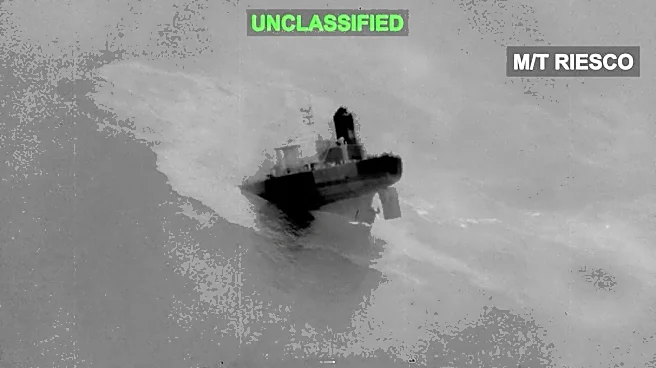
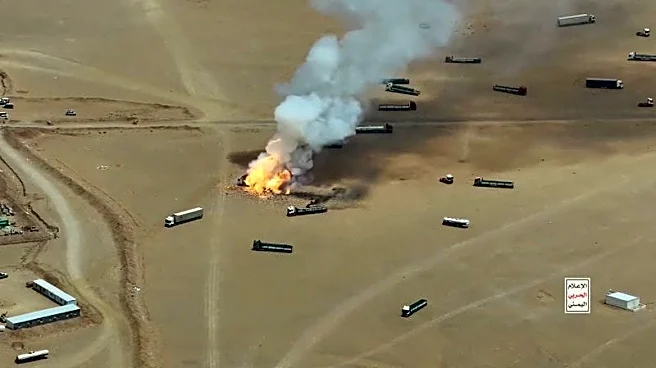
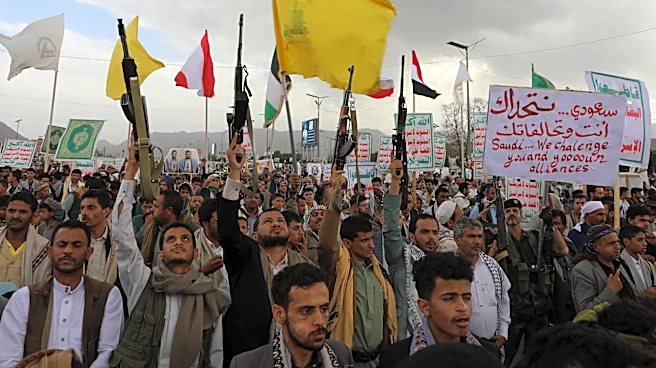
Seen as part of a regional alliance known as the "Axis of Resistance" backed by Iran, the Houthis have also rallied behind the Palestinians in the Gaza war, lobbing drones and missiles at Israel and attacking commercial shipping in the Red Sea.
Yemeni government forces and their allies are relocating south along the Red Sea coast to Dhubab, which sits directly on the strait, across from the island of Perim, government military sources said. Control of Dhubab and the island is key to gaining hold of the strait, they said.
Bab el-Mandeb, or the Gate of Tears, named for its perilous navigation conditions, lies between Yemen on the Arabian Peninsula and Djibouti and Eritrea on the African coast, making it a major prize for the Houthis, who control Yemen's most populous areas and much of the north.
It is one of the world's most important routes for crude oil and fuel from the Gulf bound for the Mediterranean via the Suez Canal, or the Suez-Mediterranean pipeline on Egypt's Red Sea coast, as well as commodities bound for Asia, including Russian oil.
TRUMP NAMES DEADLINE TO END WAR
The war and subsequent increase in fuel prices have helped drive Trump's popularity to record lows. The president said Tehran was trying to influence the November U.S. mid-term elections, which will determine whether his Republican Party retains control of Congress.
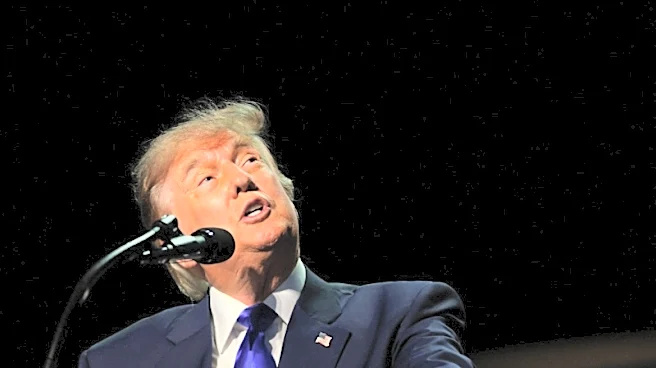
"I think war is going to end immediately after the election because they can't hold out any longer. They're desperate to try and affect the election," Trump told reporters on Wednesday.
Trump has previously set deadlines for the war to end.
The Wall Street Journal reported later that top White House advisers, including Vice President JD Vance and Secretary of State Marco Rubio, have privately warned Trump that the conflict could extend through the remainder of his presidency, which ends in January 2029. Reuters could not immediately verify the report.
Iran said it had attacked 10 ships near the Strait of Hormuz on Wednesday after the U.S. sank five Iranian oil tankers, the latest in a series of tit-for-tat strikes that have signalled scant chance of an imminent end to hostilities.
Trump said in a speech at the mid-term Republican convention on Wednesday the U.S. may hit Iran's Pickaxe Mountain, a heavily fortified site that hosts two deeply buried tunnel complexes near Iran's damaged Natanz uranium enrichment facility.
The U.S. and Israel launched military strikes on Iran in February partly due to concerns over Tehran's nuclear programme.
Iran says its nuclear activities are for peaceful purposes.
In recent weeks Washington had cited increasing success guiding tankers through the Strait of Hormuz, which carried about a fifth of global oil supplies before the war. But a resumption of fighting this month appears to have set back any such gradual reopening. Just seven vessels transited the strait on Wednesday, half the 10-day average, preliminary ship-tracking data showed on Thursday.
(Reporting by Elwely Elwelly, Jana Choukeir and Nayera Abdallah in Dubai and Enas Alashray in Cairo, and Idrees Ali, Simon Lewis and Steve Holland in Washington; Writing by Lincoln Feast and Alexandra Hudson; Editing by Michael Perry and Sharon Singleton)