





By Niket Nishant and Utkarsh Hathi
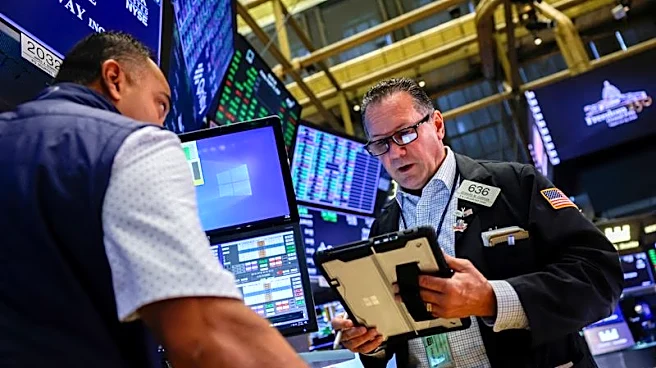
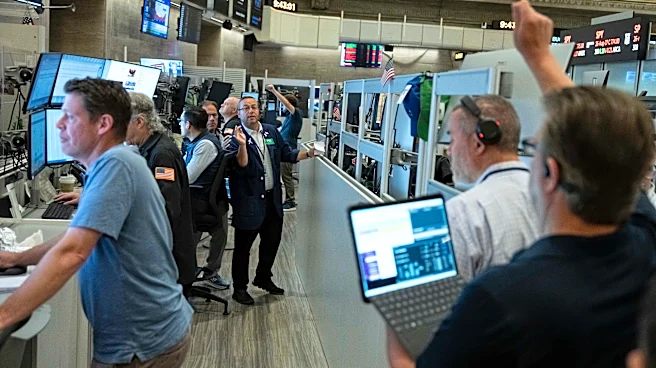
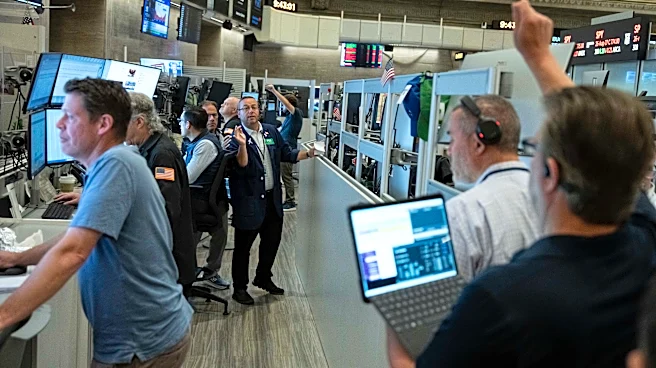
Aug 31 (Reuters) - The main U.S. stock indexes slipped on Monday after military clashes between the United States and Iran drove up oil prices, stoking inflation fears after Fed Chair Kevin Warsh's hawkish remarks in his maiden Jackson Hole address the previous week.
The losses could set the tone for September, typically a weak month for equities, and are likely to up the ante at the U.S. Federal Reserve's meeting next month.
Traders see more than a 60% chance of a rate
hike at the Fed's September meeting, according to CME's FedWatch, a sharp increase from 41.4% a week ago, after Warsh said policymakers may need to increase borrowing costs if inflation does not ease to the central bank's 2% target.
"Absent a material downside surprise, the onus is now on Warsh to deliver a September hike. Otherwise, he risks undermining some of the credibility he gained on Friday," analysts at BofA Global Research said in a note.
Warsh's comments, delivered on Friday at the Fed's Jackson Hole symposium in Wyoming, followed mixed data in recent weeks.
A consumer inflation report this month showed price pressures were mild in July, but the Personal Consumption Expenditures reading, the Fed's preferred gauge, came in hotter than expected.
The ambiguity could raise the stakes for the monthly U.S. employment report, due on September 4. Recent data did not indicate that "underlying trends have meaningfully improved," Warsh said on Friday.
At 11:24 a.m. ET, the Dow Jones Industrial Average fell 346.30 points, or 0.65%, to 53,210.80, the S&P 500 lost 35.66 points, or 0.46%, to 7,676.10, and the Nasdaq Composite shed 88.98 points, or 0.34%, to 26,312.74.
Still, the benchmark S&P 500 and the tech-heavy Nasdaq were on track to snap two consecutive months of decline, while the Dow was headed for a fifth consecutive monthly gain.
"The dynamism of the U.S. economy and the corporate sector is incredible. The U.S. exceptionalism argument is pretty alive and well," said Thomas Kikis, head of markets, U.S. and Americas, at Standard Chartered.
Military clashes between the U.S. and Iran resumed in the Middle East, where disruption in the Strait of Hormuz has impeded oil shipments.
Energy stocks were up 0.97% after a 1.04% jump in Brent crude prices, while all other S&P 500 sectors were under pressure.
Utilities fell 1.19% after an amendment to a Senate bill in California did little to alter the exposure of grid operators in the state to wildfire liabilities.
PG&E plunged 19.4% and looked set for its worst day in more than six years, if losses hold.
Nvidia rose 1.13%, while other chipmakers such as Sandisk and Qualcomm added 3.75% and 2.49%, respectively.
"I continue to favor areas of the market linked to structural growth themes such as artificial intelligence and digital infrastructure," said David Chao, global market strategist, Asia Pacific, at Invesco.
In other movers, GameStop's shares rose 4.5% after the company said it would pay about 27% of a previously announced $1.4 billion debt exchange through cash on hand instead of issuing new stock, preventing further share dilution.
Declining issues outnumbered advancers by a 2.26-to-1 ratio on the NYSE and by a 2.1-to-1 ratio on the Nasdaq.
(Reporting by Niket Nishant and Utkarsh Hathi in Bengaluru; Editing by Maju Samuel and Pooja Desai)