





By David Lawder
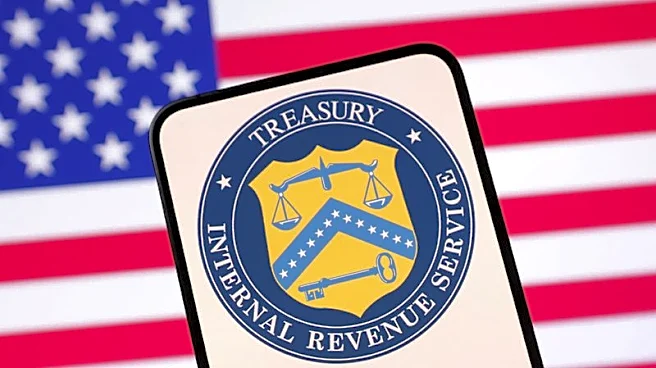
May 27 (Reuters) - The U.S. Treasury has launched a review of its sanctions programs and lists to make them more effective and to ease compliance burdens on financial institutions, according to a document seen by Reuters on Wednesday.
The Treasury plans to announce on Thursday the elimination of an initial tranche of about 80 names from its Specially Designated Nationals and Blocked Persons sanctions list that are outdated, including individuals, vessels, companies and other entities,
a Treasury official said.
• The Treasury's review will cover outdated and hard-to-screen targets on the SDN list, such as deceased individuals or defunct companies, according to the document. The SDN list contains over 17,000 names, according to the Office of Foreign Assets Control.
• U.S. Treasury Secretary Scott Bessent previewed the effort during a speech in Paris last week, saying that sanctions were not meant to be a "forever tool" and that removal could indicate positive changes in behavior of a target entity.
• The review will prioritize sanctions that have a clear economic and national security impact, such as sanctions evasion schemes, according to the document.
• The Treasury said in the document that businesses often must expend significant resources to screen for low-risk matches and review false positives, at the expense of focusing on high-risk, sophisticated evasion schemes. The department is exploring ways to ease that burden and prioritize more impactful activities.
• The Treasury said in the document that the use of targeted financial sanctions has grown dramatically in recent years, with the number of new names added to sanctions lists increasing from 880 in 2017 to over 3,000 in 2024.
• The increase has coincided with increased sanctions pressure on Iran and its proxy groups, and on Russia over its war in Ukraine. The Treasury has scaled back sanctions on Syria and Venezuela.
• Persons or entities on the SDN list are cut off from the dollar-based financial system, with their assets under U.S. jurisdiction frozen. Anyone that transacts with designated entities risks being sanctioned themselves.
(Reporting by David Lawder; Editing by Sanjeev Miglani)