







By Maayan Lubell
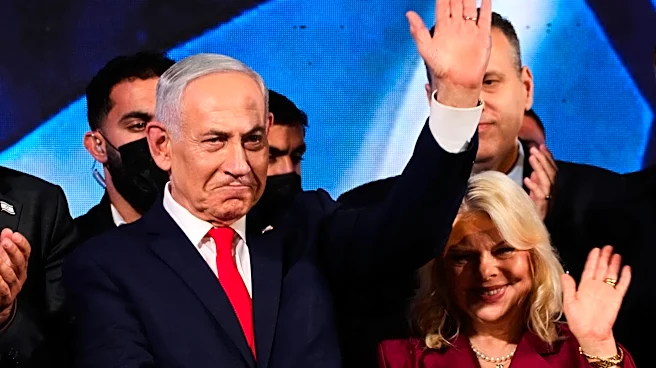
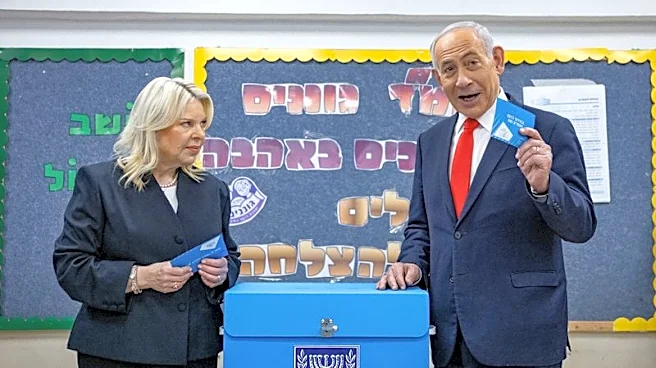
JERUSALEM, Oct 28 (Reuters) - Prime Minister Benjamin Netanyahu and his allies appear on track to win the most seats in Israel's parliament after an election this week, though neither he nor his main competitor, Gadi Eisenkot, has a clear path to a majority.
Votes are now being tallied, followed by potentially long negotiations as parties try to assemble a governing coalition. If those talks fail, Israel could head to another round of elections.
WHEN WILL WE KNOW IF ANYONE WON?
Israel's
Central Election Committee was tallying votes on Wednesday, and it will likely take until Thursday before definitive results of the election are known.
The committee will also tally hundreds of thousands of ballots by Israeli soldiers, as well as diplomats, who voted from outside the country.
The committee's tallying followed exit polls from major Israeli TV channels. Those polls can help give a general sense of each party’s relative strength but are not considered a reliable barometer of precise results, particularly in Israel’s fragmented political system.
The final vote tally is expected by October 30 and official election results are formally published a week after the election, on November 4.
WHY IS IT SO COMPLICATED?
The Knesset seats are allocated by proportional representation to national party lists, with parties needing to pass a threshold of 3.25% of the national vote to secure seats.
About a dozen parties are widely thought to have a chance of crossing the threshold, so the final tally and seat allocation will take time.
WHAT HAPPENS AFTER THE RESULTS ARE PUBLISHED?
After the final tally is in, President Isaac Herzog will consult party leaders on whom they want as prime minister and then tap the candidate he believes has the best chance of forming a government.
That nominee has up to 42 days to form a government.
No single party in Israel has ever won an outright majority, so governments are formed by a coalition of parties, and negotiations on forming a government often take weeks. Every Knesset seat counts and small parties can have a big impact by becoming kingmakers.
If the nominee fails, others can get a chance to try. If no government emerges, another election is called, with the present cabinet staying on as a caretaker government.
(Reporting by Maayan Lubell and Rami Ayyub; Editing by Timothy Heritage and Alex Richardson)