




By Stephanie Kelly
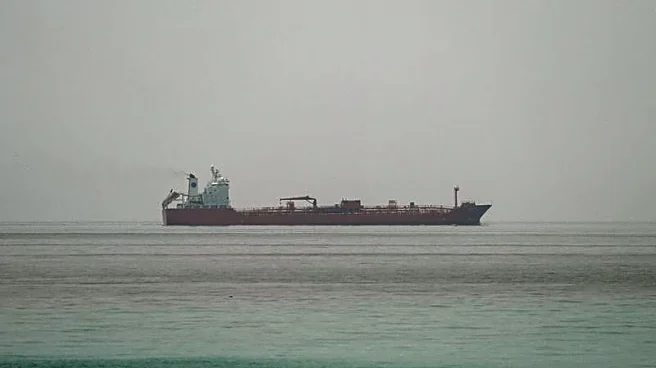
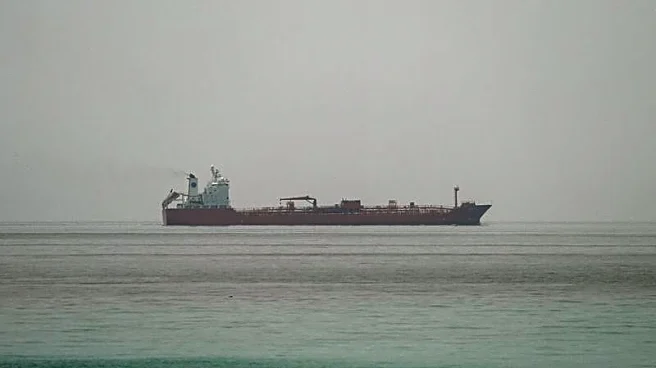
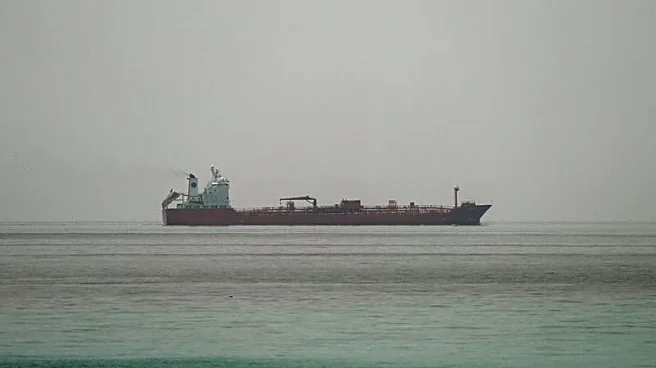
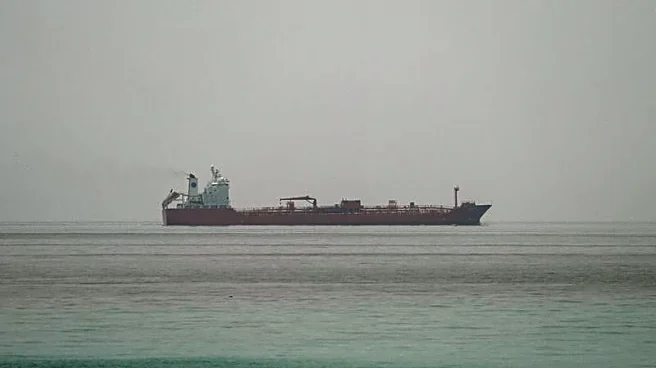
LONDON, Oct 14 (Reuters) - Oil prices edged higher on Wednesday after two vessels were struck in the Strait of Hormuz and Iranian officials told Reuters they were deploying new tactics to target ships, seeking to keep oil prices high and influence the US midterm elections.
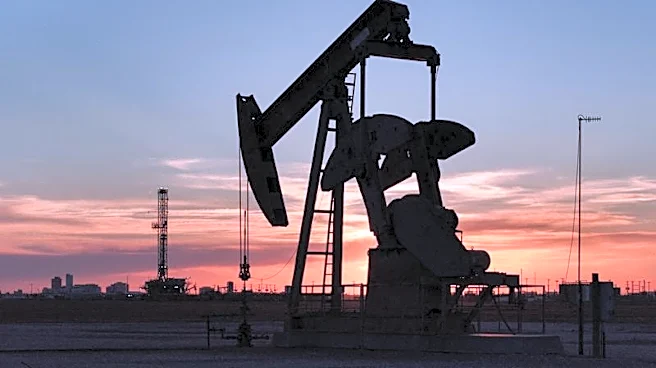
Brent crude futures rose 3 cents to $105.72 a barrel by 0819 GMT. US West Texas Intermediate crude gained 14 cents to $94.28. Both contracts had climbed more than $1 in early trade.
"Attacks on ships crossing the
Strait of Hormuz and military strikes between Saudi Arabia and the Houthis are supporting prices as market participants remain concerned about lower oil exports from the region," said UBS analyst Giovanni Staunovo, adding that exports have held up so far.
Iranian officials declined to provide details of the new strategy to target ships, but one said that Iran had started to use different offensive tactics about 10 days ago.
ATTACKS ON MULTIPLE FRONTS
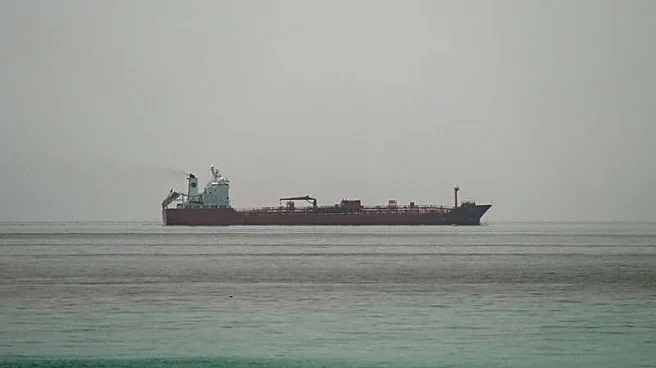
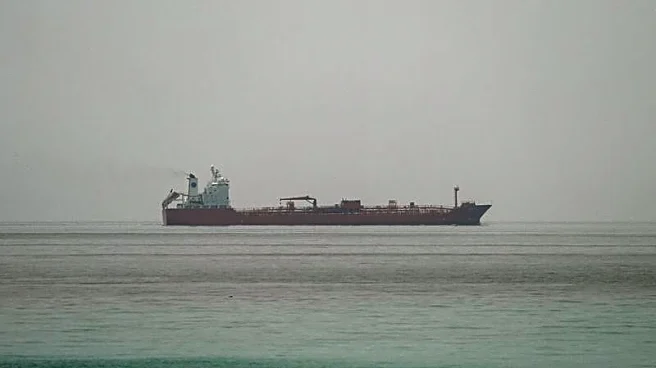
A container ship and a tanker were hit by unknown projectiles within the Strait of Hormuz, the United Kingdom Maritime Trade Operations said on Tuesday.
"That Iranian officials are openly admitting to undermining US efforts to keep oil prices under control speaks volumes about the real intentions behind the so-called 'peace talks'," said Priyanka Sachdeva, head of market insights at Phillip Nova.
Elsewhere, the Iran-allied Houthis attacked an administrative building belonging to state-owned oil company Saudi Aramco in the city of Dhahran, causing a limited fire, Saudi Arabia's energy ministry said on Wednesday.
The group has fired ballistic missiles and drones at Saudi Arabia over the past week in retaliation for the kingdom's support of Yemeni government forces. Riyadh's international airport has been hit four times, with a strike on Saturday killing 13 people.
"The expectation that increased Russian diesel exports will ease market tightness is likely to limit sharp price movement in either direction," said Hiroyuki Kikukawa, chief strategist at Nissan Securities Investment.
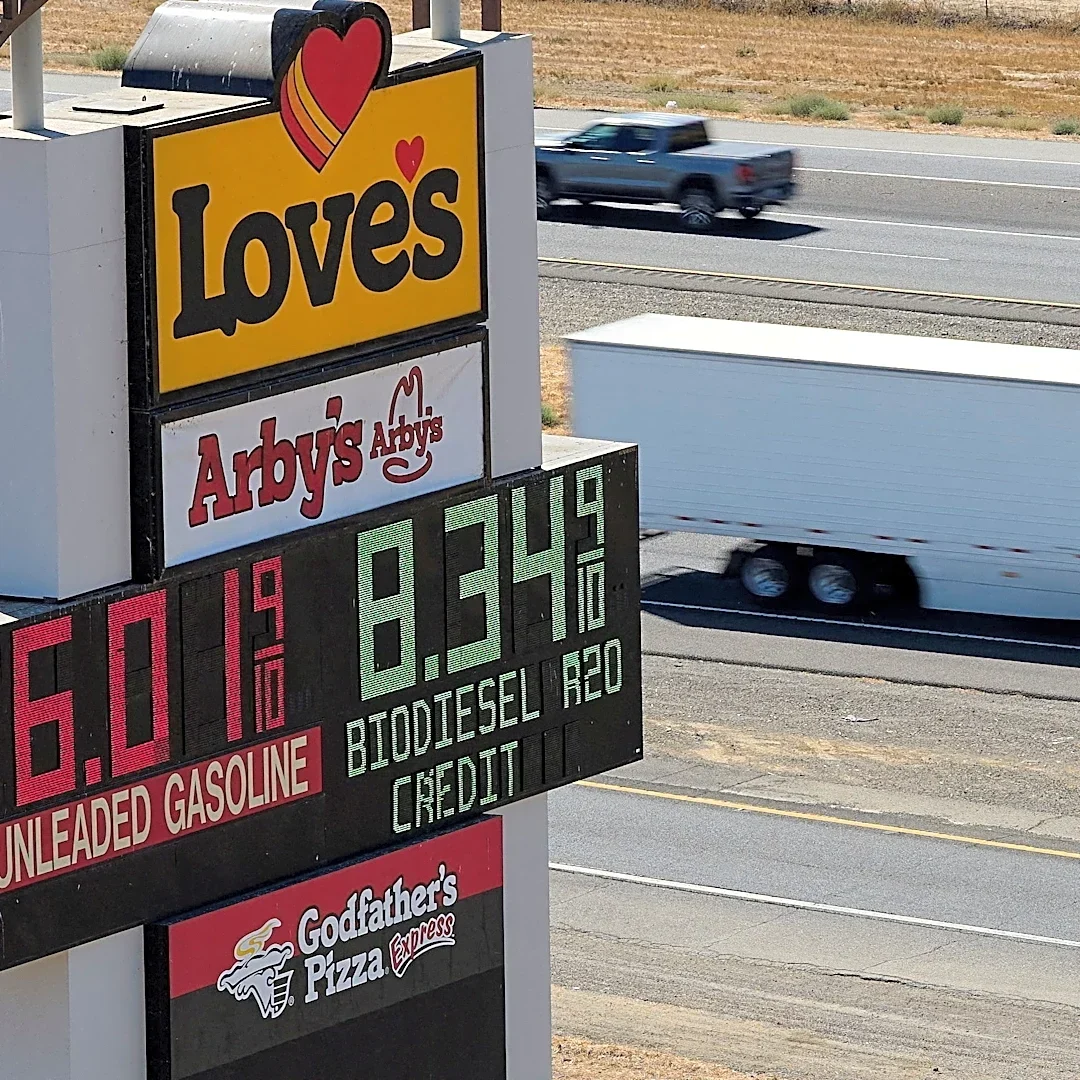
US President Donald Trump announced last Friday that Russia had agreed to supply diesel to global markets, and his administration temporarily lifted US sanctions on Russian fuel designed to deprive Moscow of revenue for its war in Ukraine.
Russia's crude oil production increased by 65,000 barrels per day in September to 8.43 million bpd but remained 870,000 bpd down year on year, the International Energy Agency said on Wednesday.
The IEA also said that a lack of operational Russian refinery capacity meant that the recently announced easing of Russian diesel export restrictions was unlikely to bring any material change to the global gasoil market balance.
Constrained diesel supplies could persist well into next year, the IEA also said.
(Reporting by Stephanie Kelly in London, Yuka Obayashi in Tokyo and Emily Chow in SingaporeEditing by David Goodman)