




By Siddhi Mahatole and Sneha S K
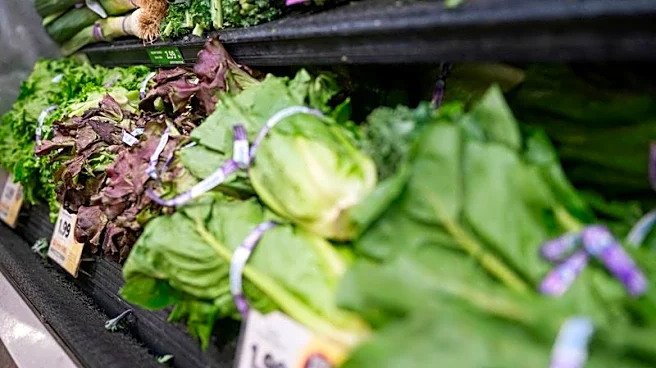

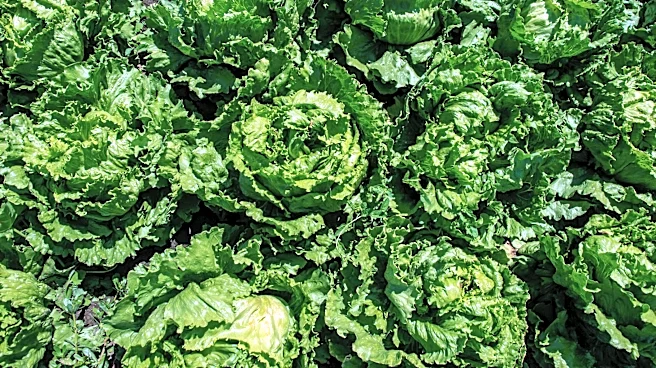
Aug 5 (Reuters) - U.S. health authorities have widened their probe into a cyclosporiasis outbreak tied to iceberg lettuce from central Mexico after detecting cases in six additional states, raising the total to 15 states, according to a source familiar with the matter.
The newly linked states are Missouri, Arkansas, Iowa, Nebraska, New Hampshire and North Carolina, the source said.
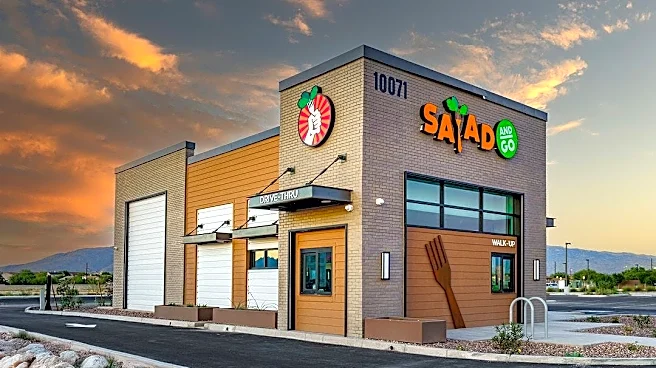
Quick service restaurant chain Salad and Go filed for bankruptcy on Tuesday, saying in a filing
that it is closing down more than 70 of its remaining locations and citing the cyclospora outbreak as a factor, along with rising gas prices and reduced consumer spending.
U.S. cyclosporiasis cases have climbed to record levels this year with the current outbreak among the largest caused by foodborne illness in recent U.S. history and health authorities continuing to look for sources of the illness beyond iceberg lettuce.
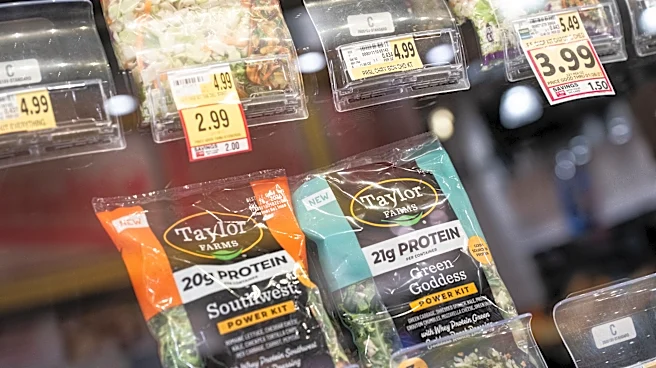
The FDA and the CDC first identified an outbreak in five states related to lettuce eaten at Yum Brands' Taco Bell restaurants. They later named Taylor Farms in central Mexico as the source of the lettuce. On July 24, they widened the number of states in the outbreak to nine.
Cyclosporiasis can be contracted by consuming food — typically raw fruits and vegetables — or water contaminated with feces and can cause diarrhea, nausea and other gastrointestinal symptoms.
The worst of the outbreak has occurred in Michigan, where cases have ballooned since June and the state reported the first two deaths associated with the outbreak. It said both individuals had significant underlying health conditions.
Separately, Mexico's health ministry said it is investigating the tourist hub of Quintana Roo after British health authorities reported cases of cyclosporiasis in travelers who had stayed there.
RESTAURANT FOOTFALL DROPS
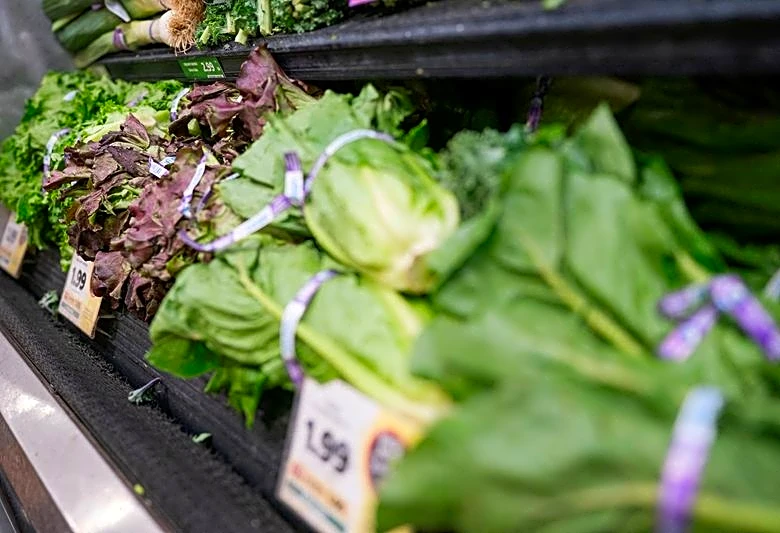
U.S. consumers have been buying less lettuce and avoiding some restaurant chains as the outbreak raises concerns about food safety.
Foot traffic at Taco Bell has declined every day since July 13 except on July 28, when the chain ran a promotional event. Visits were down 11.1% on August 1 compared with the average for Saturdays between January 1 and July 6, compared to a 19.1% fall the week prior, according to Placer.ai data.
Salad and Go has been closing down its locations since September 2025, exacerbated by high overhead costs and ongoing liquidity challenges, it said in the filing. At its peak, the company operated 146 total locations across Arizona, Nevada, Texas and Oklahoma.
The company said it is not alone in its financial struggles caused by the cyclospora outbreak, citing a report saying foot traffic at some of its competitors was reduced between 3.15% and 11.5%. "In the fast-casual dining industry, which operates on very tight margins, a drop in sales by that percentage is devastating."
Cases have risen steadily across the United States in recent months, according to the U.S. Centers for Disease Control and Prevention, with reports from 47 states, as the CDC is investigating multiple clusters of Cyclospora cases, including one multistate outbreak linked to iceberg lettuce.
Michigan health officials reported 12,218 cases linked to an outbreak of cyclosporiasis on Wednesday, an increase of 710 cases since its last update a day earlier. The state also reported 193 hospitalizations as of July 30.
Nationwide, the CDC has received reports of 10,468 laboratory-confirmed domestic cases of cyclosporiasis and is aware of more than 12,255 additional cases that are not laboratory-confirmed. The agency's surveillance lags state reporting by several weeks.
A spokesperson for the Arkansas state health department also confirmed that it is one of the six new states the CDC is adding to the multistate outbreak. Arkansas has seen 205 cases of the infection as of Wednesday.
North Carolina has reported 149 new cases since July 28 with nine new hospitalizations, according to state health department data.
"Exposures to Taco Bell or lettuce make up a small proportion of the overall increase in cyclosporiasis cases seen in North Carolina over recent months," the North Carolina state health department said in a statement, adding that a fall in new cases suggests the primary sources of exposure have already passed through the food chain.
(Reporting by Siddhi Mahatole and Sneha S K in Bengaluru, Additional reporting by Neil J Kanatt; Editing by Maju Samuel, Shinjini Ganguli and Aurora Ellis)