



By Chris Kirkham
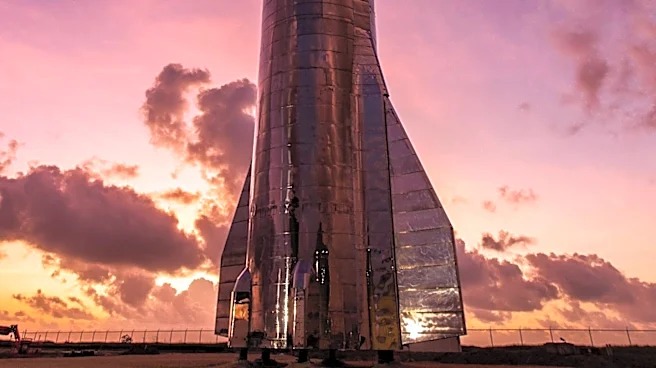
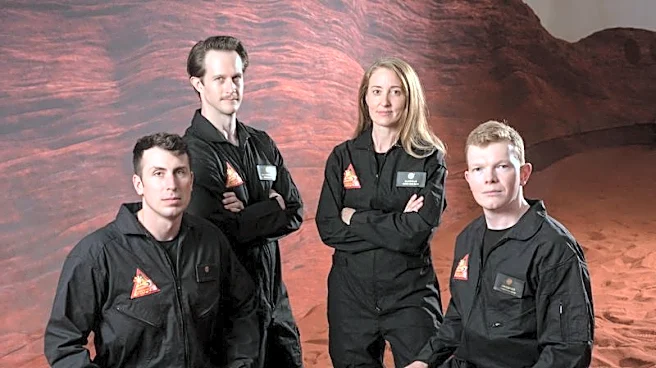
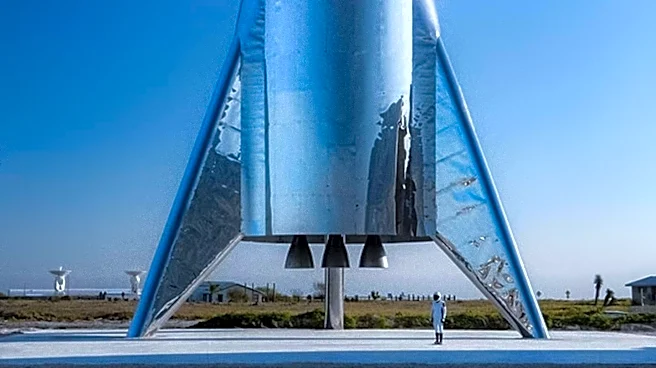
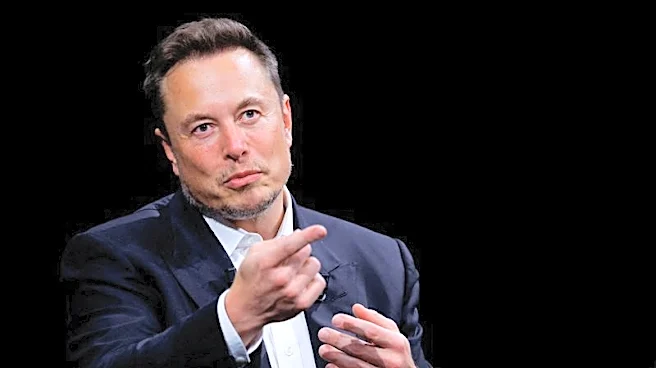
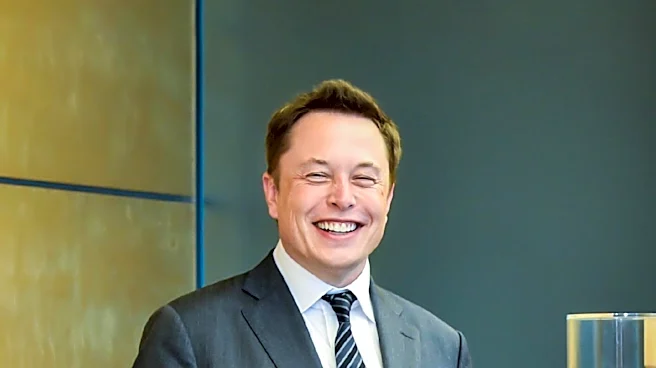
Nov 3 (Reuters) - Elon Musk’s recent super-sized pay packages at SpaceX and Tesla were centered on some eye-popping goals: creating a 1 million-person human colony on Mars, putting a million robotaxis on the road and selling a million humanoid robots.
A merger combining Musk’s trillion-dollar rocket and electric vehicle firms would mean he might not ever need to meet those lofty targets to achieve his ultimate goal: control over his corporate empire.
Musk said on a SpaceX earnings call
last month that both companies' boards had formed special committees to discuss a potential merger. A deal could give him the voting control at Tesla that he has said he wants, without his having to hit any of the milestones in his pay plan.
As for Musk’s compensation, a merger initially would likely award him only a sliver of the $1 trillion in stock from last year’s widely discussed Tesla pay package, according to a Reuters review of the plan and six executive-compensation experts. SpaceX’s board could also restructure his compensation plan after a potential Tesla deal, the experts said.
An examination of Musk’s compensation packages at both companies shows that the structure of SpaceX’s plan, which gives Musk voting power upfront before earning the stock, helps provide a shortcut to gaining control of Tesla.
That makes the provocative, futuristic Mars and humanoid robot goals more of an afterthought, according to the experts who reviewed the plans for Reuters.
“It’s irrelevant,” said Charles Elson, founding director of the Weinberg Center for Corporate Governance at the University of Delaware. “This package is a distraction from the real story, which is complete control.”
'AMBITIOUS STUFF'
The $1 trillion Tesla compensation plan that shareholders approved for Musk last year required him to hit a series of market-capitalization and operational milestones in order to collect more stock and amass more voting control.
Leading up to SpaceX’s IPO this summer, the company’s board granted Musk stock awards tied to boosting the company’s market cap, getting a million people to Mars and building massive space data centers. Unless Musk achieved the Mars and data center goals, he could not pocket the shares, according to the agreements.
Importantly, though, Musk immediately got all the voting power associated with those shares, just not the economic rights. That got him to 85% control over SpaceX without needing to hit any goals. Musk already had significant ownership in SpaceX before being awarded those additional voting rights.
Matthew Bloomfield, an associate professor of accounting at the University of Pennsylvania’s Wharton School, said he viewed the SpaceX plan, crafted so close to the IPO, as “just a marketing document.”
“You put a bunch of ambitious stuff in there and a lot of people say, ‘Look at this big bet Elon Musk is putting on himself,’” he said. In reality, the plan is mostly about “getting a bunch of people hyped,” he said.
Musk, Tesla and SpaceX did not respond to requests for comment.
The story at Tesla is the opposite. A flashy compensation package that awarded Musk up to $1 trillion in Tesla stock last year was designed to give him more control over the company, but only as he meets operational and market-cap goals over time.
Musk has not yet achieved any of the targets in the Tesla plan. Even if he were to hit all of the goals, including increasing the company's market cap nearly eightfold, he would have only about 29% of the voting power at Tesla, according to documents the board presented last year.
As Tesla’s board was shopping the plan to investors last year, Musk himself said that gaining more control over Tesla was the goal, highlighting the risks of building AI-powered robots.
“My fundamental concern with regard to how much voting control I have in Tesla is: If I go ahead and build this enormous robot army, can I just be ousted at some point in the future?” he said on an October 2025 Tesla earnings call.
MERGER OFFERS SHORTCUT TO TESLA CONTROL
A merger offers a far quicker path to getting that control.
Barclays analysts estimated in a recent investor note that at the current size of each company, if SpaceX were to acquire Tesla, then Musk would own about 37% of the new conglomerate but have 56% of the voting power. That is because many of his SpaceX shares are in a special class that carries 10 times the voting rights of the typical shareholder. There is no such class of shares at Tesla.
Musk’s SpaceX and Tesla compensation plans contemplate what would happen in the event of a merger.
For Tesla, the language in the agreement is straightforward. In a “change in control” event such as an acquisition by SpaceX, Musk could receive stock payouts for meeting market-cap goals without the added requirement of an operational goal like having 1 million robotaxis in operation.
The market cap would be calculated based on the stock price immediately before the merger or the value that Tesla shareholders receive from the transaction, whichever is greater.
Tesla’s current market capitalization is about $1.6 trillion. That would need to grow to $2 trillion in connection with the merger for Musk to receive any stock awards under the plan. (Meeting that goal would issue him $20 billion in Tesla shares at a $2 trillion valuation, though it would be worth less because the plan only compensates Musk for stock growth after his pay plan was announced, in September 2025.)
Musk could receive more if the market capitalization grew to $2.5 trillion, $3 trillion or higher after a deal, though the six compensation experts said such a premium would be unlikely.
SPACEX BOARD COULD REVISE MUSK'S PLAN
The SpaceX compensation plan is less specific about what happens in the event of a merger, and compensation experts said the board could significantly adjust Musk's plan after a transaction.
Musk’s plan at SpaceX is divided into two parts: a series of market-cap goals, paired with a goal of setting up a colony on Mars with a million people; and another set of market-cap goals, alongside a target of building space data centers capable of “delivering 100 terawatts of compute per year.” Musk said on X earlier this year that 100 terawatts per year would be "200 times the current electricity output of Earth," and would require manufacturing satellites on the moon that would be "shot into deep space."
Musk is already able to vote all the shares awarded to him in the SpaceX plan, but he cannot get any value out of them unless he achieves those goals.
So even if he more than triples the value of SpaceX, and gets 500,000 people to Mars, he would not earn any of the shares, according to the plan.
The shares in Musk's plan would be worth $719 billion at the highest market cap target, based on SpaceX's current shares outstanding, according to research firm Equilar.
Kevin Murphy, a finance professor at USC's Marshall School of Business and an expert witness for Tesla in defending Musk’s 2018 pay package, said he thinks the board and Musk are likely to keep all the plans in place. They could simply increase the market-cap and earnings goals, and adjust the share awards, to account for the larger combined company, he said. SpaceX did something similar earlier this year when it acquired xAI and assumed Musk’s compensation plan from that firm.
Though Musk’s SpaceX plan has incredibly difficult goals, four of the compensation experts said the board could likely amend the plan however it wants.
With Musk already owning nearly half of SpaceX, whether he ultimately gets a million people to Mars and pockets the additional stock from his compensation plan is less important than the control, the compensation experts said.
Murphy acknowledged that goals like the Mars colony are “pretty pie-in-the-sky,” but said Musk is not likely to want an easy payday upfront.
“He’s an all-or-nothing kind of guy,” Murphy said. “He doesn't want a couple cookies. He wants the whole bag.”
(Reporting by Chris Kirkham in Los Angeles; Editing by Mike Colias and Matthew Lewis)