



By Tibisay Romero , Mariela Nava and Marianna Parraga
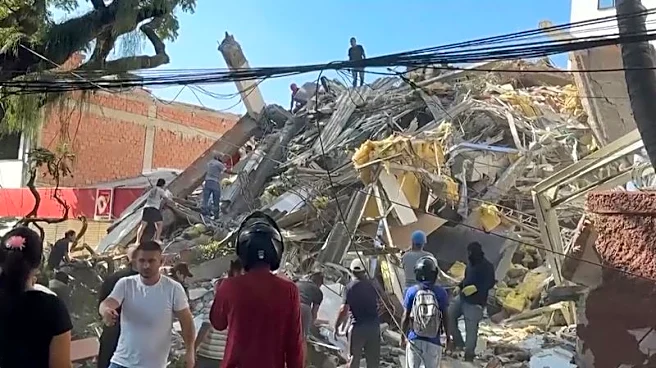
VALENCIA/MARACAIBO/LA GUAIRA, Aug 13 (Reuters) - Less than two months after devastating twin earthquakes left more than 6,000 dead, Venezuelans are being called by the government to save power and water.
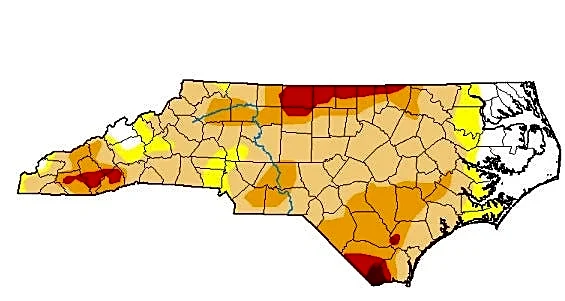
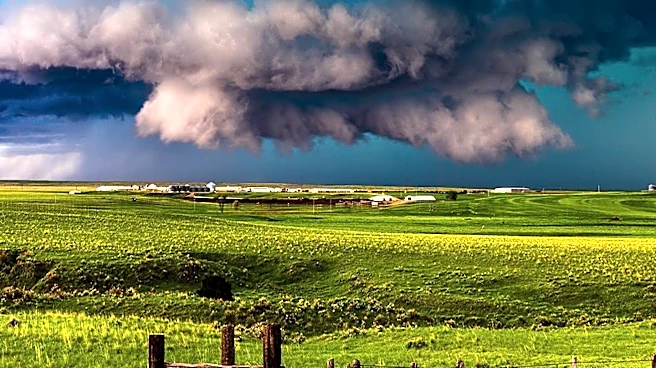
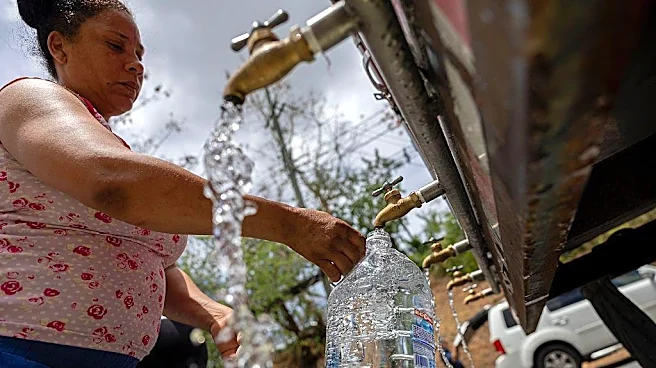
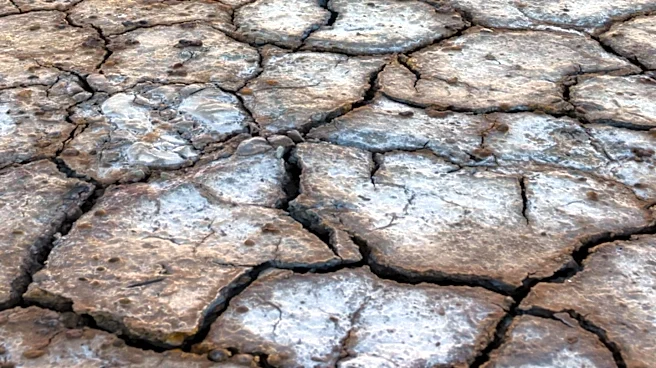
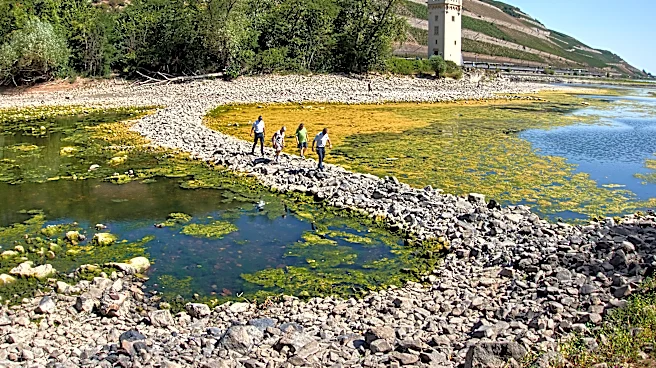
With a drought looming, many read this as an omen of more widespread electricity outages and less fresh water supply after months of already severe cuts.
Interim President Delcy Rodriguez said last week that El Niño was already hitting the OPEC country
and could bring drought before year-end. The periodic phenomenon, which warms the Pacific Ocean's surface altering global weather patterns, made power and water conservation necessary, she said.
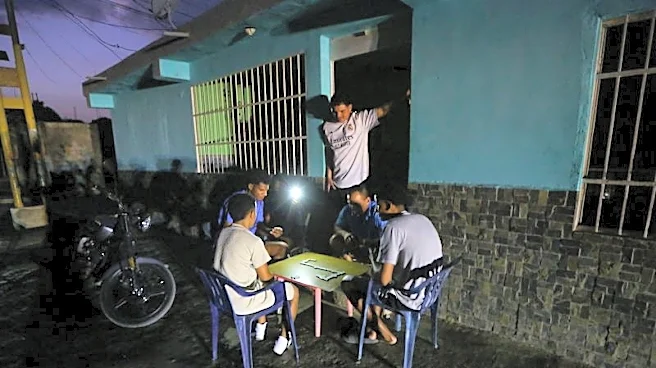
The call for expanded conservation on the already challenged grid has triggered fresh protests across regions where people and businesses face electricity cuts of up to 10 hours per day, frequent equipment malfunctions that lead to days-long power outages and intermittent water supply.
"I can't wrap my head around more power savings measures if we don't have it at all," said Mariela Nunez, a 75-year-old retired teacher in the central city of Valencia, where daily power cuts are getting longer.
"They cut it without notice," she added. "The heat does not allow us to sleep and we have no elevator to go up and down to a 12th-floor apartment."
Venezuela has less than 13,000 megawatts (MW) of generation capacity available out of 36,000 MW installed, leaving a shortfall of more than 1,500 MW between current supply and demand that authorities are trying to keep from widening.
Nearly 90% of thermal capacity is out of service after years of underinvestment and delayed maintenance, energy expert Nelson Hernandez said in a report earlier this year. That has increased dependence on hydropower, mostly from the Guri dam system in the south, to more than 80%.
Rodriguez has promised that up to 4,800 MW of installed capacity will be restored before year-end, saying recently signed contracts with GE Vernova and IMPSA for upgrades and new turbines would also boost supply.
Past promises that went unmet, however, have left many skeptical.
"We must be honest. El Niño is not the cause of the public services' crisis," said Jose Antonio Robles, who leads Zulia state's engineers' center. "It is only aggravating a long-standing deficit."
He blamed the current need for rationing on years of underinvestment in generation and deterioration of transmission and distribution lines, which have made the system unable to meet increased demand.
Drought and wildfires could also threaten agricultural output, adding to the hardship from power and water rationing, said Abraham Salcedo, who directs the school of civil engineering at Venezuela's Central University.
Venezuela's information ministry and utility Corpoelec did not reply to requests for comment.
POWER CUTS CLOUD QUAKE RECOVERY EFFORTS
In Caracas, the government last week ordered office buildings and malls to switch elevators off three hours per day, while some ministries and public offices have reduced service to three days per week until further notice.
Factories, shops and farms hit by poor services or still recovering from the quakes expect lower output and revenue losses if supply tightens further, business chambers said.
Some public hospitals and private clinics are reinforcing emergency care with generators, according to nurses and doctors.
"How will companies install in Venezuela? How will they grow if there's no certainty over the national power system's restoration?" asked Ernesto Abbas, who leads the commerce chamber of central Carabobo, an industrial state increasingly affected by electricity cuts.
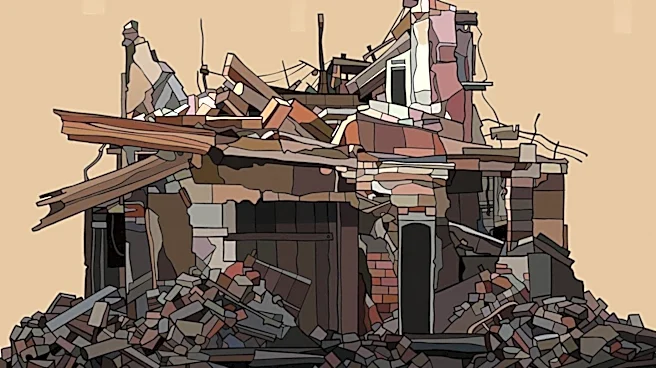
In the cities worst hit by the twin quakes, including largely devastated La Guaira on the northern coast, families have lived in tents outside their damaged buildings for weeks and say they cannot bear any more bad news.
"I have no idea of what we'll do," said Josefina Rodriguez, 59, a former public worker guarding her daughter's apartment from a tent outside while waiting for official word on whether it will be repaired or demolished. With no running water and only a cable from a neighboring building to power a light bulb and a fan, she fears the new rationing will make things worse.
In the neighborhood of Tanaguarena in La Guaira, where dozens of buildings collapsed and rescuers are still taking bodies out of the rubble, a small river that runs to a beach where trucks are dumping debris is all homeless families have to bathe and wash their clothes.
(Reporting by Tibisay Romero, Marianna Parraga, Deisy Buitrago, Mariela Nava, Vivian Sequera, Mircely Guanipa, Tathiana Ortiz and Nayrobis Rodríguez; Editing by Nathan Crooks and Sonali Paul)