




By Leika Kihara
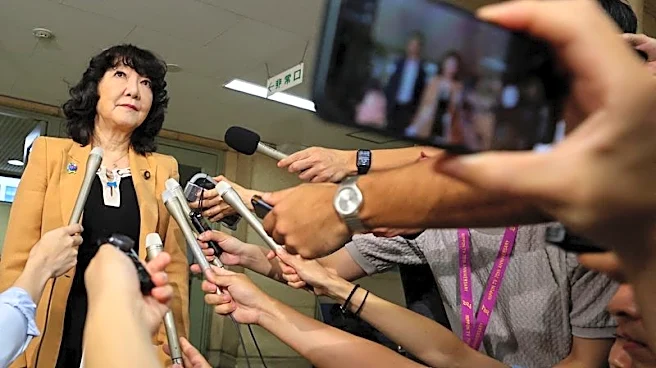
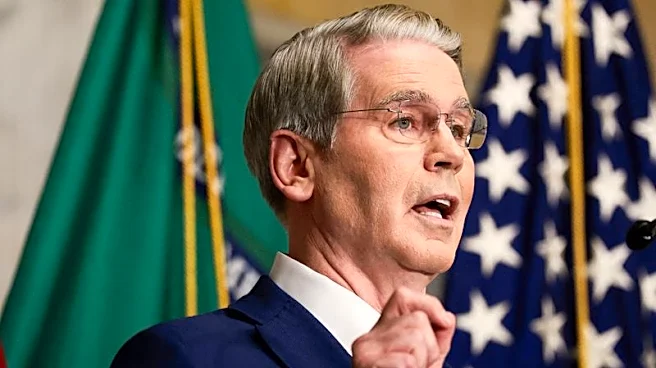
ASHEVILLE, North Carolina, Aug 31 (Reuters) - Japan and the United States agreed to continue coordinating to achieve "orderly" yen moves, which were crucial for global market stability, Finance Minister Satsuki Katayama said after a meeting with her U.S. counterpart Scott Bessent.
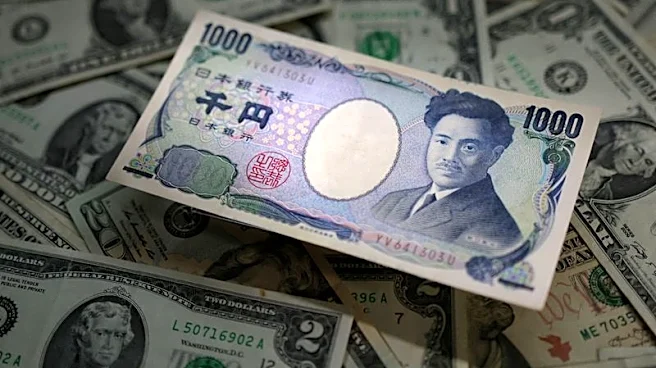
The yen's renewed slide to around 160 per dollar, a level seen as heightening the chance of currency intervention, has drawn market attention to the likelihood of another joint action to prop up the sagging
currency.
"We essentially reiterated and confirmed what we had stated upon conducting joint yen intervention" last month, Katayama told reporters on Monday after the meeting with U.S. Treasury Secretary Bessent.
"There's no change to our position" of standing ready to act if markets were making disorderly moves, she said, adding that the two countries' coordination was continuous and ongoing.
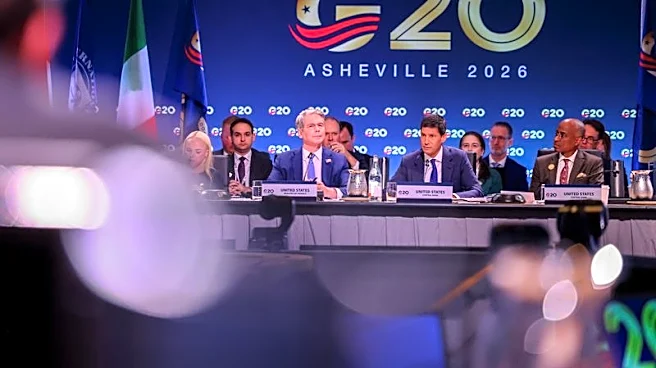
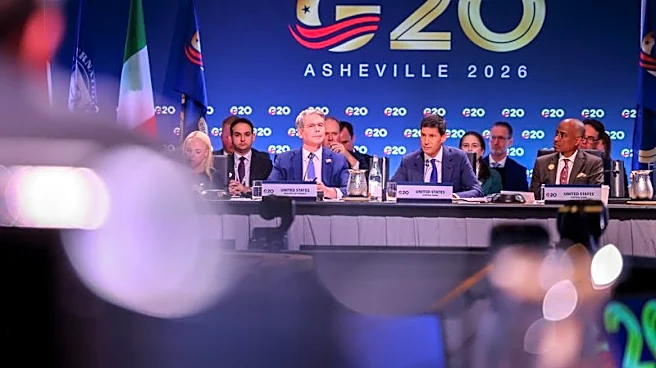
The bilateral talks, the first face-to-face meeting between the two since last month's rare Japan-U.S. coordinated yen intervention, were held on the sidelines of the Group of 20 finance leaders' two-day gathering in Asheville, North Carolina, concluding on Tuesday.
Katayama declined to comment when asked whether the yen's recent slide near 160 per dollar was orderly, saying it was hard to judge what factors were driving exchange-rate moves.
Her remarks contrasted with those of Bessent, who told Reuters on Sunday that recent yen moves were "pretty well contained," suggesting the currency's renewed slide was not seen as the kind of disorderly moves that triggered last month's joint intervention.
"We confirmed that an orderly yen exchange rate is essential for the stability of global financial markets, including those of the United States, and that the continued coordinated efforts of Japan and the United States contribute to achieving this shared objective," Katayama said.
Katayama also said she explained, as needed, to her counterparts that the recent coordinated intervention with the United States was conducted in accordance with international agreements such as those reached by the G7.
Japan's top currency diplomat Atsushi Mimura, who was present at the bilateral meeting, told reporters the two had very constructive discussions regarding future cooperation on currency policy.
While the coordinated intervention a month ago pushed the yen off a 40-year low near 164 per dollar, it has failed to provide a sustained floor for the currency.
The yen briefly slipped below the 160-per-dollar level on Friday, after comments from Federal Reserve Chair Kevin Warsh revived expectations of a near-term U.S. rate hike. It stood around 159.80 per dollar in Asia on Tuesday.
MUM ON BOJ, BOND YIELDS
A weak yen has pushed up import prices and broader inflation, causing headaches for Japanese policymakers. It has been blamed in part on the slow pace of rate hikes by the Bank of Japan (BOJ), which has kept Japan's rate divergence with the U.S. wide.
Katayama said she also explained to Bessent Japan's efforts to steadily reduce its debt-to-GDP ratio while simultaneously achieving a strong economy, adding that she believed the U.S. Treasury Secretary responded "very positively."
She declined to comment when asked about the rise in the benchmark 10-year Japanese government bond (JGB) yield near 3%.
On media reports that Bessent had urged BOJ Governor Kazuo Ueda to raise interest rates in a separate bilateral meeting, Katayama said that specific monetary policy decisions fell under the jurisdiction of the BOJ.
Renewed comments by Bessent calling for further rate hikes have effectively locked the BOJ into raising rates in September and put pressure on it to step up rate hikes going forward.
BOJ chief Ueda is also in Asheville to attend the G20 finance leaders' gathering. The BOJ next meets for a policy decision on September 17 and 18, when markets nearly fully expect it to raise rates to 1.25% from 1% following a hike in June.
(Reporting by Leika Kihara; Additional reporting by Makiko Yamazaki in Tokyo; Editing by Tom Hogue and Jacqueline Wong)