









By Marcela Ayres
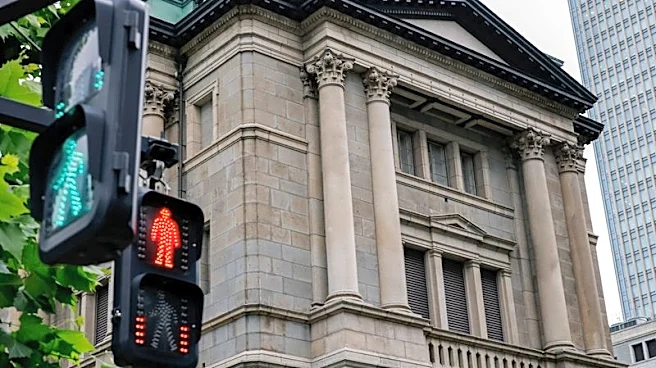
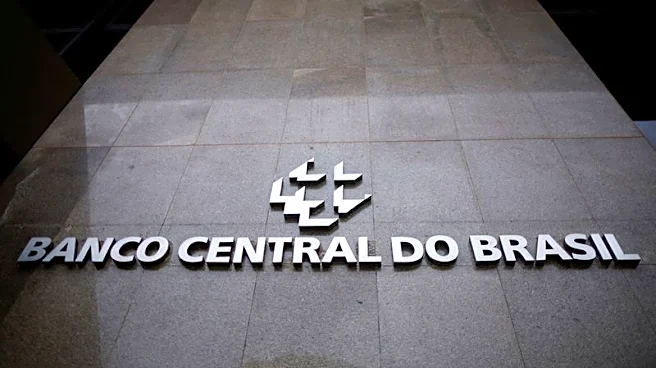
BRASILIA, June 17 (Reuters) - Brazil's central bank cut rates at a third straight meeting on Wednesday and again left its next steps open, while acknowledging a tougher inflation outlook as markets question how much easing will be possible this year.
The bank's rate-setting committee, called Copom, unanimously voted to lower its benchmark Selic rate by 25 basis points to 14.25%, a level last seen in May 2025, in line with forecasts from 41 of 45 economists polled by Reuters.
"The Committee
reaffirms that the total magnitude of the calibration cycle will be established in light of new information aiming to assure inflation conversion to the target," Copom wrote in its policy statement.
The decision comes as economists scale back expectations for easing this year amid an oil price shock linked to the U.S.-Israel war against Iran.
Inflation expectations have risen steadily, including on longer horizons, as President Luiz Inacio Lula da Silva rolls out measures to boost demand ahead of his bid for re-election in October.
Policymakers introduced economic stimulus as an upside risk for inflation in their Wednesday statement, noting concerns of it "weakening some of the usual transmission channels of monetary policy."
The central bank raised on Wednesday its annual inflation forecast for the relevant policy horizon, the fourth quarter of 2027, to 3.7% from 3.5% previously, further above the official 3% target. It raised this year's projection to 5.2% from 4.6%.
Policymakers began cutting rates in March, arguing that their earlier aggressive tightening had produced visible effects on economic activity and lending, opening room for "calibration" of its benchmark rate while keeping it in restrictive territory.
Although oil prices have eased this week on signs of progress toward a U.S.-Iran deal to end their conflict, challenges for Brazil's central bank have mounted on other fronts since its last meeting in late April.
Annual inflation accelerated to 4.72% in May, while market expectations have risen not only for this year and next but also for 2028, signaling doubts about the bank's ability to anchor prices on a longer horizon, independent of current shocks.
Central bank governor Gabriel Galipolo has flagged the impact of a likely El Nino weather pattern as an additional supply-side shock to prices.
Economists have also noted that a government-backed bill in Congress to guarantee workers two days off each week could add to price pressures by raising costs in an economy where income growth has outpaced productivity in a tight labor market.
(Reporting by Marcela AyresEditing by Brad Haynes)