



By Marc Jones and Gregor Stuart Hunter
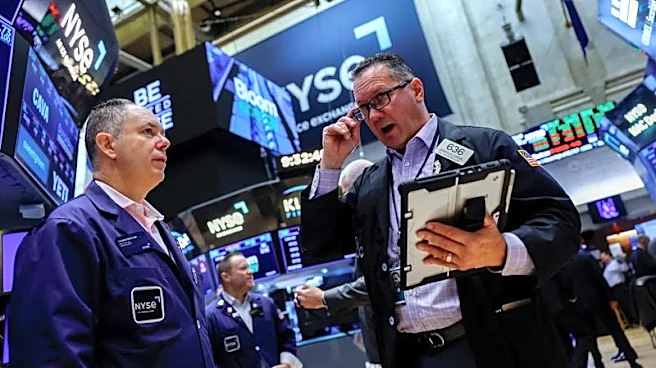
LONDON/SINGAPORE, Oct 15 (Reuters) - A sharp selloff in tech stocks sent a chill through global equity markets and pulled down the dollar on Thursday, as crowded bets on data centres and other key AI plays faced a reckoning from high and rising interest rates.
European trading had brought respite of sorts [.EU], but with Nasdaq futures pointing more than 1% lower and government bond yields suddenly dropping, the turbulence did not look to be over. [.N]
The Nasdaq
and the S&P 500 had marked their biggest one-day drop since July on Wednesday, after hotter-than-expected US inflation data fuelled expectations of more Fed rate hikes and all the strains that could bring.
Further denting sentiment on Thursday, Taiwan's TSMC, the world's largest manufacturer of high-tech chips, struck a note of caution as it posted record profits, on what it described as "macroeconomic uncertainties".
AI lab Anthropic reporting a 45% surge in third-quarter revenue compared with the previous quarter also failed to lift the spirits.
CoreWeave, a heavily indebted data-centre operator in the eye of the recent AI storm, fell another 6.3% in premarket trading following a 15% drop on Wednesday, and Oracle slid 2.1% after a nearly 9% drop.
The dollar was down as well in what analysts noted was a departure from its recent patterns.
State Street's head of global macro strategy, Michael Metcalfe, said the currency has been boosted as the Federal Reserve has started hiking interest rates again, but a major equity rout could swing it around again.
"The biggest overweights in equities are in the US and our data shows the (foreign investor) hedge ratios on US positions are quite low," Metcalfe added, saying the ratio figures were now below 15%, compared with around 25% in April.
SELLOFF IN ASIA
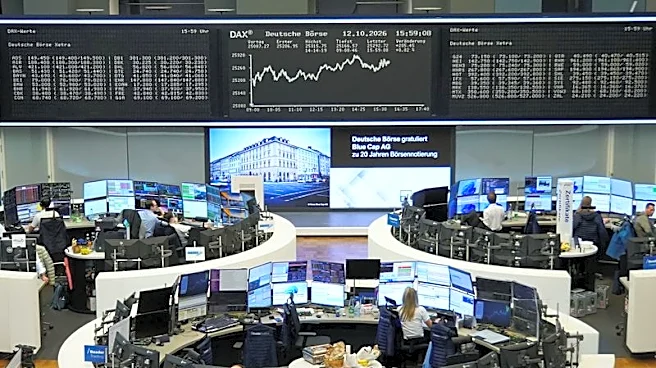
Europe's modest equity moves were partly due to the region's comparatively smaller tech sector, but also as the drop in government bond yields and the price of oil and gas helped ease some of its recent strains.
Asia's overnight session had been brutal though.
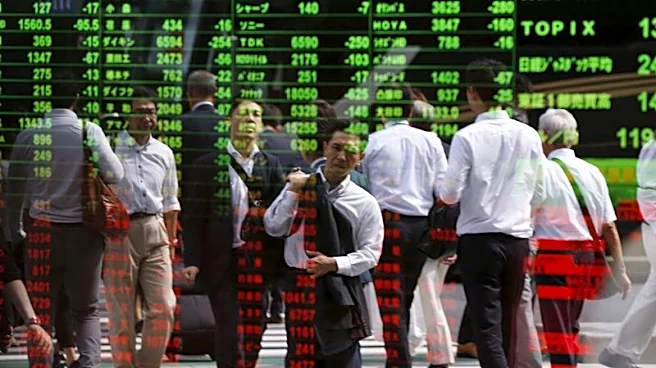
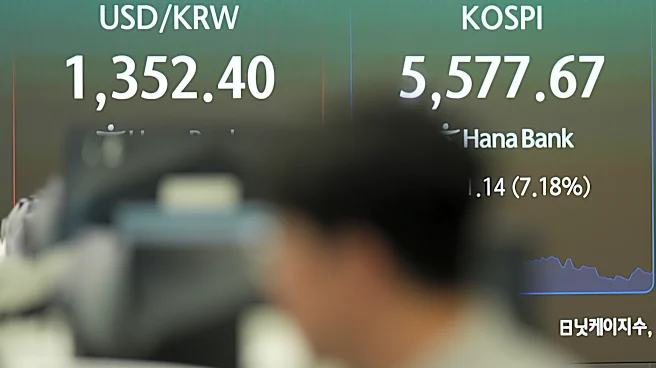
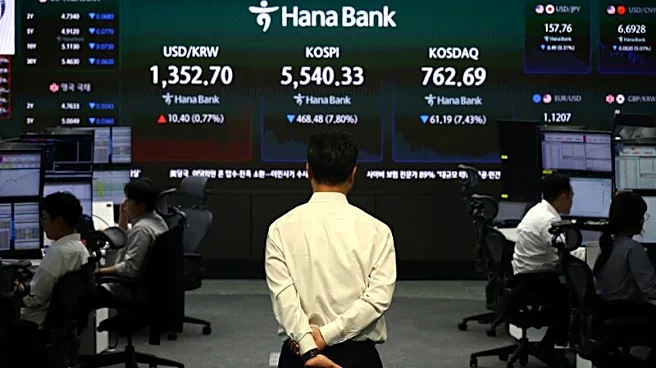
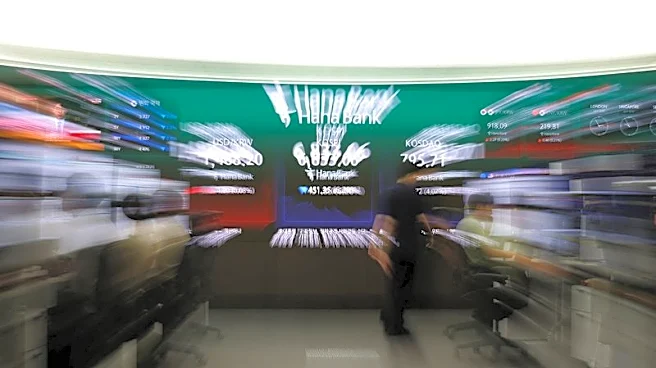
South Korea's KOSPI index, whose flock of top chipmakers made it one of the main beneficiaries of AI euphoria, plunged almost 8% in its seventh consecutive drop, while the Nikkei 225 fell 5% to make it six in a row for Tokyo. [.T]
TSMC fell 2%, despite its record profits. Samsung Electronics plunged nearly 10% and memory chipmakers SK Hynix and Kioxia Holdings plummeted more than 11% each.
The cost of insuring AI-linked tech giants against default has also increased, in some cases to records, with credit default swaps widening for cloud computing giant Oracle, Japanese AI investor SoftBank and data-centre operator CoreWeave.
"The selloff in Asia looks less like a sudden deterioration in technology fundamentals and more like a repricing of the cost of capital," said Charu Chanana, chief investment strategist at Saxo Bank in Singapore.
GOLD GAINS, BOND YIELDS FALL
The lure of safety lifted gold 1% in London, although it was the sharp move in government bond yields that really stood out given the recent worries that have engulfed them.
Benchmark 10-year US Treasury yields, which move inverse to price, swooped back down towards 5% in what was their biggest daily drop in more than a year.
New US retail sales data showed they increased more than expected last month, boosted by higher gasoline prices, but they also pointed to spending elsewhere remaining moderate.
Wall Street futures pointed to the stock market turbulence continuing, though. The main US stock markets [.N] logged a third straight fall on Wednesday, after US consumer price inflation accelerated by more than expected in September.
Thursday's Nasdaq futures were another 1.25% lower.
TRADERS BET ON FED HIKT
Wednesday's US inflation data had once again tweaked expectations for the Fed's rate path, with traders briefly pricing in roughly even odds of a hike this month, before scaling back those bets.
Fed funds futures are now pricing an implied 75% probability the US central bank will stay on hold at the end of its next two-day meeting on October 28, little changed from the start of the week, according to the CME Group's FedWatch tool.
In the currency markets, the dollar had slipped from an 18-month peak. Against the yen it was down 0.4% at 157.725 yen, while the euro was up 0.6% at $1.12 and sterling was 0.5% higher and buying $1.32.
In oil markets, Brent crude was down nearly 2% at $104 a barrel as traders weighed up the effects of US sanctions relief on supply against attacks on shipping through the Strait of Hormuz.
(Reporting by Marc Jones; Editing by Clarence Fernandez and Alex Richardson)