






By Stefano Rebaudo
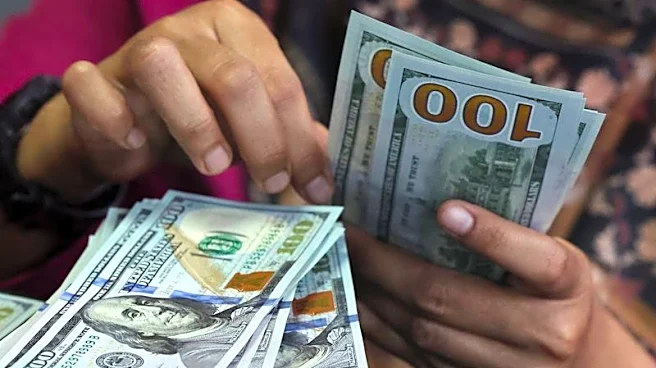
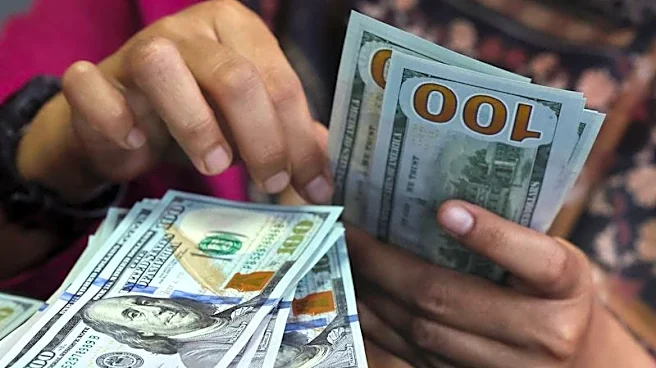
Sept 24 (Reuters) - The dollar hit a fresh- two-month high on Thursday after a sharp rally fuelled by expectations of additional Federal Reserve interest rate hikes following strong economic data and a hawkish shift in rhetoric.
Meanwhile, the Swiss Franc fell against the euro and the dollar after the Swiss National Bank (SNB) left rates unchanged, as expected, and reiterated its willingness to be active in the foreign exchange market, although it tempered its tone slightly after a weakening
of the currency in recent months.
The Norwegian crown rose after the central bank raised its policy interest rate by 25 basis points to 4.50% on Thursday and said it may hike again.
"Differently to other central banks, mostly concerned about rising energy prices, the Norges Bank's focus remains squarely on domestic price pressures and inflation having been stuck above target for several quarters," Giada Giani, economist at Citi said, after arguing that Norges Bank remains the most hawkish in advanced economies.
The Swiss Franc dropped 0.26% against the dollar at 0.8273, reversing an earlier rise. It reached 0.8283, its lowest level since May 2025.
"Forex intervention would be the first tool out of the toolkit to address a stronger franc," Jack Allen-Reynolds, chief euro area economist at Capital Economics, adding that the franc could strengthen in the event of a global equity sell-off next year.
The Norwegian crown was up 0.42% at 9.471 against the dollar.
The Swedish currency was flat at 9.9070 versus the dollar. It reached 9.9350, the lowest level since April 2025, before the central bank decision to keep key interest rate unchanged at 1.75%, as expected, while flagging stronger growth and the risk that inflation will pick up in the months ahead.
US RATE OUTLOOK IN FOCUS
Two-year Treasury yields, highly sensitive to policy rate expectations, hit their highest since May 2024 on Wednesday as strong business activity data reignited inflation concerns.
The Fed raised rates and signalled further tightening last week, with Chair Kevin Warsh stressing the central bank's independence despite repeated calls from President Donald Trump for lower borrowing costs. The hawkish stance has eased concerns that a Warsh-led Fed would take a softer line on inflation, a prospect that could have weighed on US assets.
"Very strong US PMIs, higher oil prices and soft risk sentiment have all contributed to the bullish narrative, although the move is starting to look stretched relative to fundamentals," said Francesco Pesole, forex strategist at ING.
"We are cautious in calling for a bottom in the dollar just yet because any upside surprise in upcoming US data releases can easily prompt markets to fully price in an October Fed hike and prop up short-term rates even more."
Investors closely watched energy prices and geopolitics with Brent crude slightly up after jumping overnight as Iran and the United States remain far apart on how to end the war.
The greenback tends to strengthen when oil prices rise, as investors often sell currencies of energy-importing economies such as the euro and yen, whose trade balances are more vulnerable to higher crude costs.
The US dollar index, which measures its value against a basket of six major currencies, was up 0.13% at 101.22, after hitting 101.31, its firmest since July 29. The dollar's strength sent the euro to a two-month low of $1.1373.
YEN ON TRACK FOR FIFTH STRAIGHT DAILY FALL
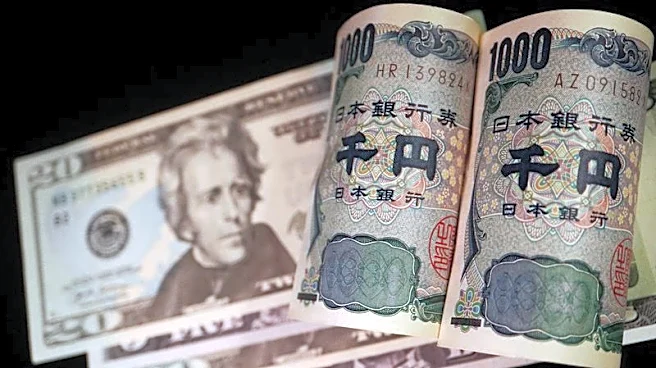
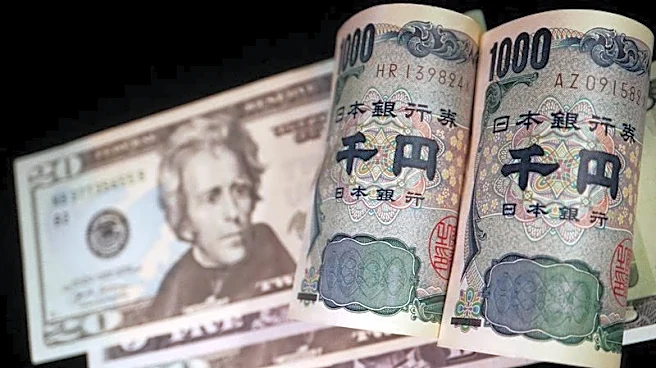
Japanese Finance Minister Satsuki Katayama said the principles underpinning the coordinated Japan-US currency intervention in July remain intact, but sentiment remained fragile after last week's Bank of Japan rate hike failed to convince investors that a faster tightening cycle is in store.
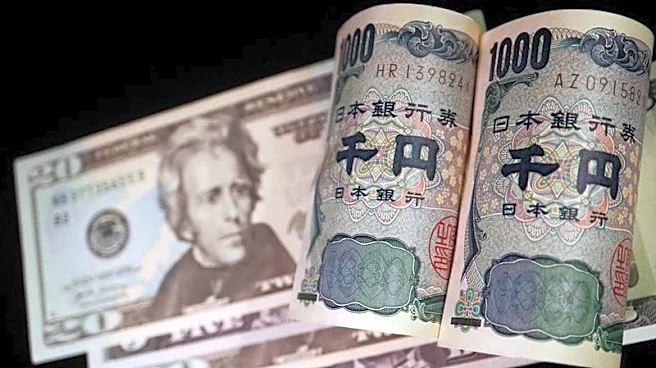
The dollar was UP 0.28% versus the yen at 158.75, its highest level since September 3.
"The yen is another currency that may find the going tough in the coming weeks although the ever-present threat of forex intervention should help temper the rise in the dollar/yen," said Daragh Maher, senior forex strategist at HSBC.
"The yen surge in early September has already reversed and with positioning less stretched, we are unlikely to see a fresh short squeeze."
(Reporting by Stefano Rebaudo; Editing by Shri Navaratnam, Jacqueline Wong and Kevin Buckland)