
By Dan Peleschuk and Anna Pruchnicka
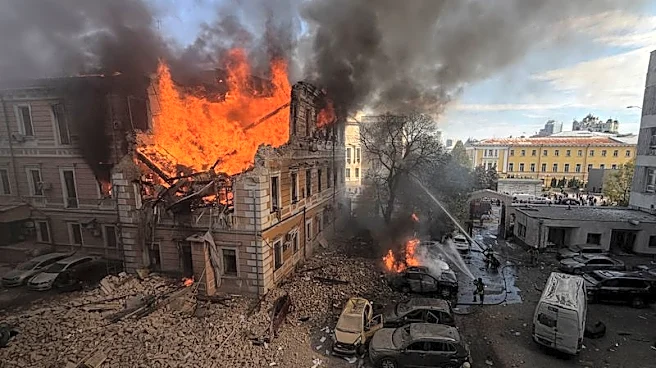
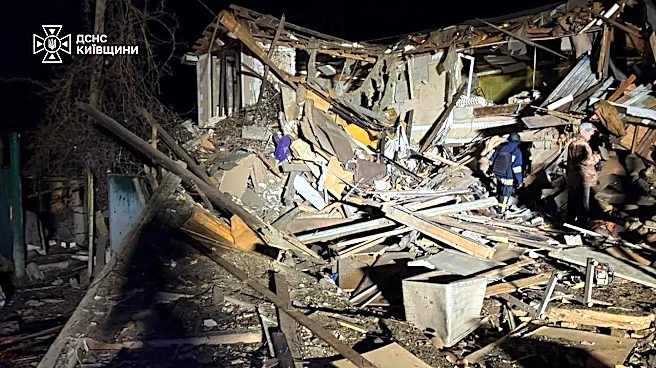
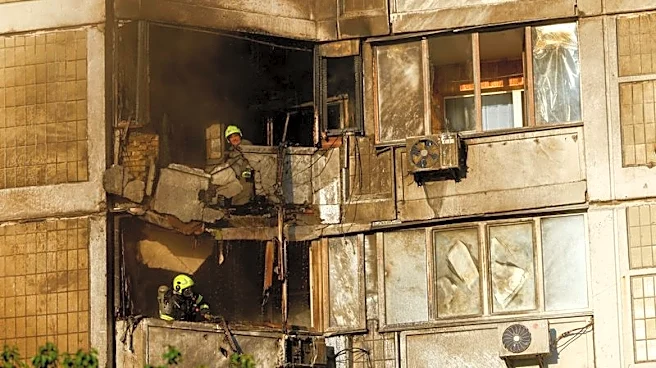
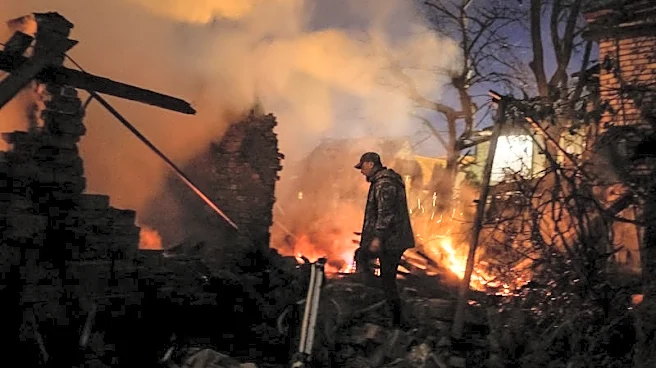
KYIV, Sept 30 (Reuters) - Russia unleashed a widely anticipated air campaign against Ukraine's energy grid on Wednesday, hitting power facilities and infrastructure
around Kyiv and other regions in the heaviest combined attack on energy sites in months.
The strikes, in which Ukrainian officials said seven people were killed, followed days of intensifying drone barrages primarily on the capital, a prelude to what many Ukrainians expect to be a winter of attacks intended to plunge cities into cold and darkness when Ukraine is short of air defences.
"Russia has escalated to massive strikes on energy infrastructure," Prime Minister Sergii Koretskyi said on X after the attacks overnight.
"Since summer, there's barely been a day without an attack on our energy infrastructure. But a combined strike of this scale hasn't happened since the end of last heating season."
Russian attacks last winter, when record-low temperatures were recorded - ravaged power and heating systems, forcing Ukrainians to adapt to dire circumstances.
UKRAINIAN CAPITAL IN FOCUS
Kyiv residents woke on Wednesday to a city shrouded in thick fog from the smoke of attacks, which authorities said damaged a key power plant and other energy facilities around the capital.
President Volodymyr Zelenskiy said energy infrastructure in Kyiv and the surrounding area was the main target of an onslaught that included nearly 190 drones and ballistic missiles. The air force said it had downed five missiles and 155 drones.
A child was among the seven dead across Ukraine, Zelenskiy said, with critical infrastructure coming under attack in five regions. Other damage was reported in another five regions, he added.
Russia said its forces had struck power plants in the Kyiv region, an industrial complex in Odesa region, and port infrastructure in Ismail in the southwest.
Kyiv Mayor Vitali Klitschko said debris had been found at a Western embassy, but offered no further details. The overnight attack triggered a more than 12-hour air-raid alert.
Near-constant daytime sirens and explosions have become a fixture of daily life in Kyiv, where drone attacks have killed around a dozen people over the past week alone.
WINTER APPROACHING
Ukrainian Foreign Minister Andrii Sybiha described Wednesday's attack by Russia as a "deliberate" distraction from its grinding battlefield offensive in eastern Ukraine, which has slowed since last year.
"Moscow is increasing the pressure on Ukrainian civilians as winter approaches, trying once again to turn cold, darkness, and disruption of normal life into weapons," he said on X.
Russia, which began its full-scale invasion in February 2022, denies targeting civilians although it has pounded cities and towns across Ukraine.
Koretskyi, the prime minister, said he had instructed local authorities to check the readiness of backup power systems at critical facilities and speed up installations.
Authorities in recent weeks and months have been building protective facilities and aiming to diversify energy generation before Russia's expected winter campaign.
Ukrainian state weather forecasters said they expected freezing temperatures at night in Kyiv in the coming days.
DRONE EXPLODES IN MOLDOVA
In neighbouring Moldova, a drone crossed into its airspace and exploded near the eastern village of Hirbovet, police said.
NATO members Romania and Poland both scrambled military jets, the countries said, and flights at the Polish airports of Lublin and Rzeszow were temporarily suspended.
Ukraine has also stepped up attacks on Russia, striking oil refineries and major online retailers to undermine Moscow's war effort.
One person was killed in drone attacks in Russia's Bryansk region bordering Ukraine, the regional governor said.
(Additional reporting by Alexander Tanas in Chisinau; Editing by Andrew Cawthorne, Daniel Flynn and Timothy Heritage)