





By Dan Peleschuk and Petro Kobernyk
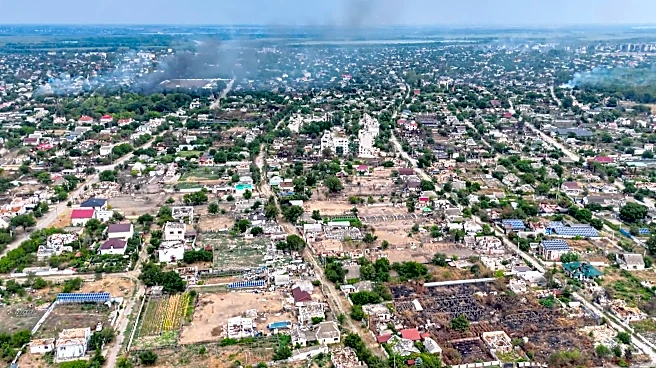
KYIV/KHERSON, Ukraine, Oct 27 (Reuters) - A ceasefire appeared to be holding on Tuesday around the Ukrainian town of Oleshky after more than four years of Russian occupation that have left trapped residents desperate for food, water and medicine.
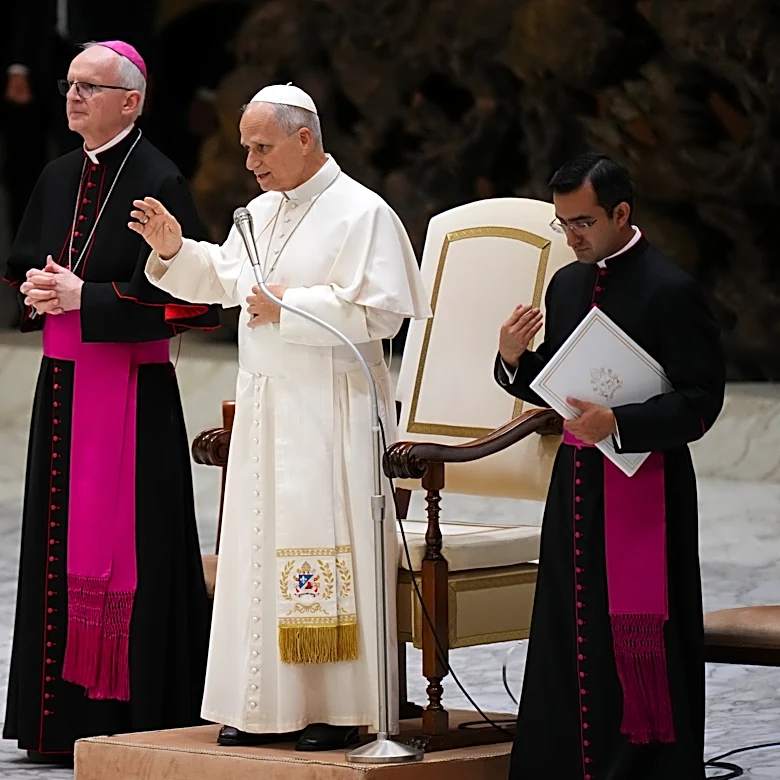
The local truce, brokered by US first lady Melania Trump with the involvement of Pope Leo, is intended to allow aid into Oleshky and enable those who want to leave to do so. Some residents say they have survived on a cup
of rice or buckwheat a day, sometimes with a tomato, cucumber or wild plants added.
Russia and Ukraine both said they were abiding by the local ceasefire, which went into force at 3 a.m. Ukrainian time (0100 GMT) as part of stuttering US efforts to end Russia's war in Ukraine and is due to last until Sunday.
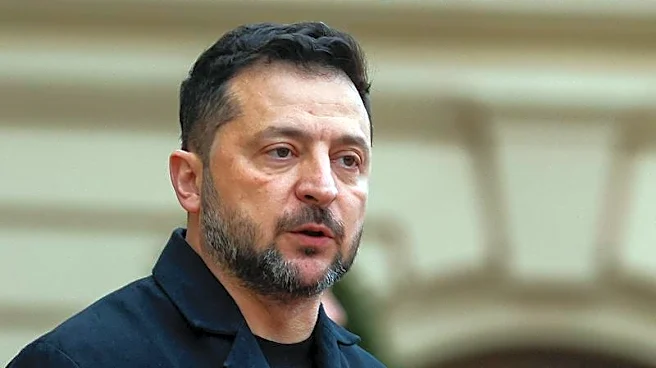
The head of President Volodymyr Zelenskiy's ruling faction in parliament, David Arakhamia, called it the "biggest de-escalation since 2022", while Foreign Minister Andrii Sybiha said it could be a confidence-building measure for future agreements.
Melania Trump said on X that the truce been expanded beyond the town itself, "to provide safe passage for the humanitarian convoys".
KYIV STILL BEING BOMBARDED
The ceasefire does not apply elsewhere, and Russian forces again pounded the Ukrainian capital Kyiv with ballistic missiles overnight, killing at least one person, local officials said.
In the Ukrainian-held city of Kherson, which lies across the Dnipro river from Oleshky and is regularly bombarded by Russian forces, locals said the day had been calm.
"We have a ceasefire now, they told us so, and no-one's shooting," said 90-year-old Hennadii.
Another resident, 37-year-old Oleksandra, was more wary.
"Yes, it's calm today. As to what has changed, we've had calm days before. So it doesn't seem like anything special."
Ukraine's human rights ombudsman, Dmytro Lubinets, said that by 5:30 p.m. (1530 GMT), no violations of the ceasefire had been reported by either side.
Oleshky lies on the eastern bank of the Dnipro, close to where it enters the Black Sea. Russian troops seized it during the first days of their full-scale invasion of Ukraine in February 2022 and have controlled it ever since.
The town has suffered extensive damage and was badly flooded after the destruction of the huge upriver Kakhovka dam in 2023.
The United States has said only a few thousand remain in the town out of a prewar population of 24,000. Residents and officials have reported severe shortages of food, medicine and other basics, and Oleshky has been largely without running water, electricity, gas and central heating.
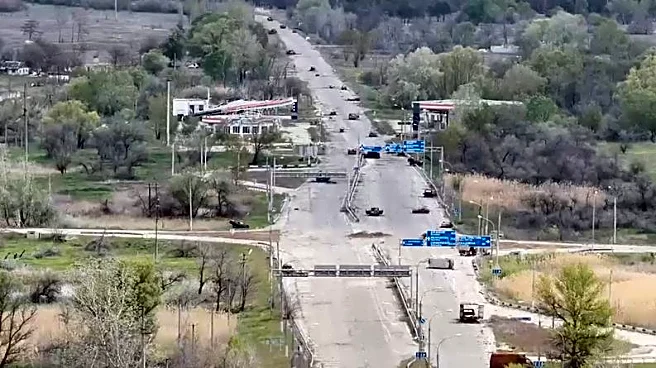
Residents have offered harrowing accounts of risking their lives travelling along mine-strewn roads just to get food and water, one of which they call the "road of death".
Ukrainian and Russian officials have said humanitarian corridors will be established to allow aid in and residents out. This is expected to involve demining roads and could take several days.
One resident who managed to flee Oleshky said many of those left behind were sick or elderly, and would find it hard to relocate.
Ukraine and Russia blame each other for the humanitarian crisis.
White House envoys have talked to both sides in recent days as part of efforts to mediate an end to Europe's deadliest conflict since World War Two.
Zelenskiy said last week that three-way talks would continue in Abu Dhabi in early November. Russian battlefield gains have slowed this year, but it has demanded that Kyiv cede the remaining 20% of the Donetsk region in eastern Ukraine that it still controls before Russian forces stop fighting.
RUSSIA STRIKES MAJOR KYIV BRIDGE
Nataliia Bondar, a 52-year-old accountant in Kyiv, held out little hope for Washington's ability to negotiate with Russian President Vladimir Putin.
"Unfortunately, it seems to me that they are somewhat in their own world and do not understand the true nature of this man," she said. "That you should not negotiate with him."
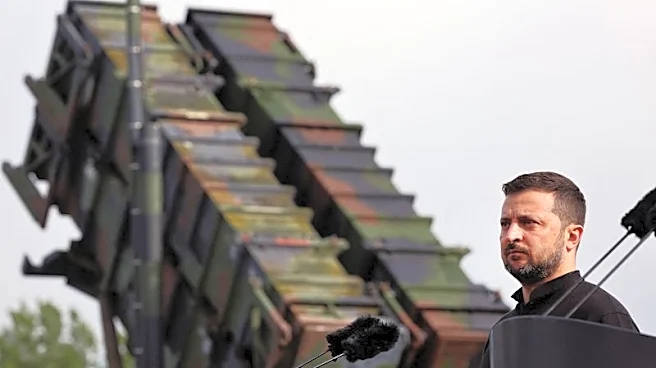
Russia's overnight strikes damaged a university campus and Kyiv's important Southern Bridge, in what Zelenskiy described as "a serious escalation" against Ukrainian logistics.
A Ukrainian military source said Russia had hit the bridge with four Iskander ballistic missiles.
Zelenskiy said energy facilities, logistics and infrastructure in 10 other regions had also been attacked overnight.
Moscow's Defence Ministry said it had struck transport infrastructure in Kyiv, a logistics hub in the Kharkiv region, as well as industrial facilities and cargo vessels in attacks aimed at military targets.
In Russia, a drone attack killed one person in Bryansk, near the border with Ukraine, authorities said. One person was killed and 30 injured in a strike on a bus in a Russian-held part of Ukraine's Zaporizhzhia region, officials said.
Reuters could not immediately independently verify the reports. Russia and Ukraine deny deliberately targeting civilians.
(Additional reporting by Yuliia Dysa and Max Hunder in Kyiv, Jekaterīna Golubkova in Tokyo and Tom Balmforth in London; Editing by Timothy Heritage and Kevin Liffey)