






By Marcela Ayres
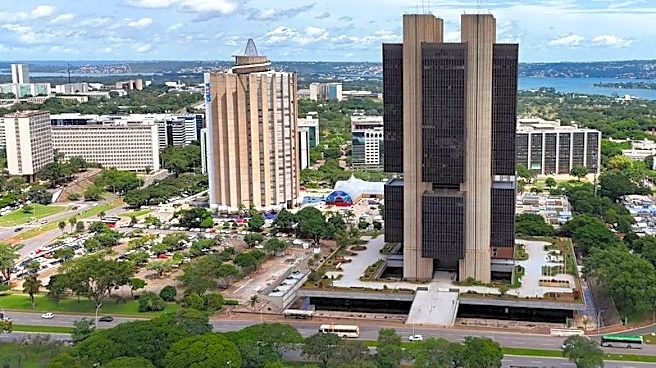
BRASILIA, Nov 10 (Reuters) - Brazil's central bank governor, Gabriel Galipolo, said on Tuesday that the bank would use tight monetary policy to keep inflation under control even if it causes strains in other parts of the economy.
His remarks came hours after analysts widely interpreted minutes of the central bank's latest policy meeting as dovish and reinforcing expectations that the bar for further rate hikes remains high, despite a worsening inflation outlook.
Last week, the bank
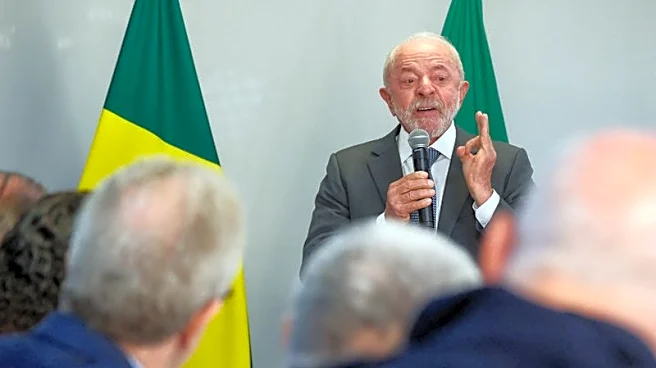
paused an easing cycle it had launched in March, holding the benchmark Selic rate at 13.75%. President Luiz Inacio Lula da Silva's spending pledges and reelection last month have fueled a sharp weakening of the Brazilian real and also pushed long-term interest rates higher.
In the minutes, policymakers argued that the deterioration in the inflation outlook reflected supply-side shocks and said a sharper economic slowdown could help limit broader spillovers into consumer prices.
Speaking at an event in Sao Paulo, Galipolo said elevated long-term interest rates reflect factors beyond the central bank's reach.
He said demand for government securities indexed to the Selic, which account for more than half of Brazil's public debt, ultimately rests on investors' confidence that the central bank will raise interest rates whenever necessary to fight inflation.
"That is what the central bank has done historically and will continue to do," he said.
Galipolo added that investors' reluctance to hold inflation-linked bonds points to concerns that go beyond the policy rate and are reflected in the broader yield curve.
Using a medical analogy, he acknowledged that high interest rates can have adverse side effects, but said the central bank would continue to prioritize price stability.
"The central bank will continue to prescribe the same treatment. The medicine will be administered, even in heavy doses," he said.
Galipolo also said issuing debt in local currency, as Brazil does for most of its borrowing, gives the sovereign greater flexibility but leaves investors bearing the risks.
(Reporting by Marcela Ayres; Editing by Fernando Cardoso)