

By Michael Martina
WASHINGTON, Dec 19 (Reuters) - The U.S. on Friday dropped its effort to deport a Chinese national who helped document Beijing's alleged abuses against Uyghur Muslims to Uganda, the man's lawyer told Reuters.
Guan Heng, a Chinese citizen-journalist, fled the U.S. in 2021 after taking video of alleged concentration camps in China's western Xinjiang region. He released the video after arriving in the U.S., where he applied for asylum.
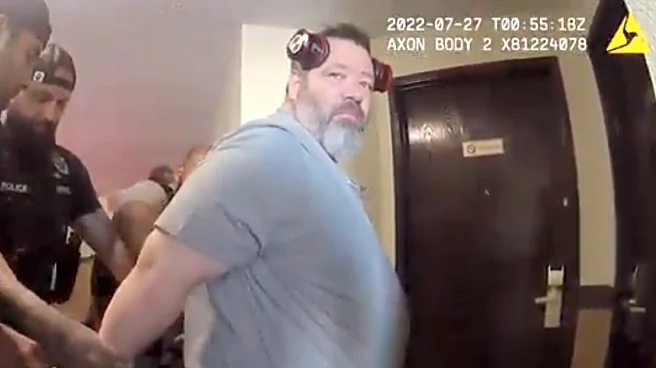
Guan was detained by U.S. Immigration and Customs
Enforcement (ICE) in August for illegally entering the country, part of President Donald Trump's immigration crackdown. He remains in a New York state detention center.
His detention and threatened deportation to Uganda has stirred controversy, not least because he helped document abuses in China that the U.S. government during Trump's first term deemed "genocide."
His supporters and lawyer say Guan faced almost certain persecution if deported to Uganda. The East African country, where Beijing has considerable political and economic clout, this year entered into an agreement with the U.S. to take in nationals from third countries.
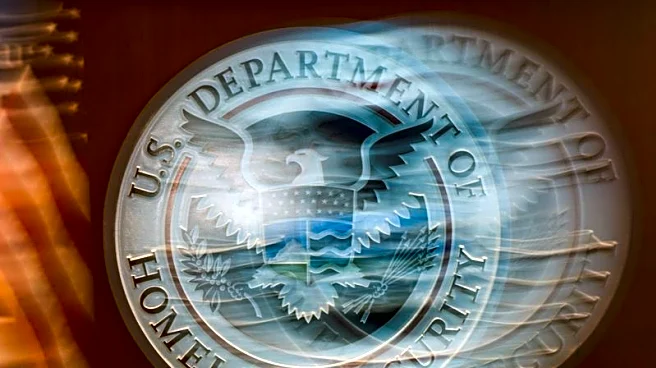
"We just got a letter informing that DHS (Department of Homeland Security) will not seek to remove Mr. Guan to Uganda," his lawyer Allen Chen told Reuters.
Chen said it was not clear if Washington would continue to pursue Guan's removal, either to China or another country, but said sending such a "high-profile dissident" back to China would be unlikely.
Under Department of Homeland Security (DHS) policies, migrants may be deported to third countries if immigration authorities either have "credible" diplomatic assurances they will not be persecuted or tortured if sent there or have given the migrants as little as six hours of notice ahead of time that they are being sent to such a place.
Nonetheless, Chen said the withdrawal of the Uganda removal order was a positive development, adding that he expected Guan would have a bond hearing in coming weeks, though his asylum case could take several years.
"More information on this case is forthcoming," a DHS spokesperson told Reuters, adding that Guan had entered the U.S. illegally at an unknown date and time.
"All of his claims will be heard before an immigration judge," the spokesperson said.
The Chinese embassy in Washington did not immediately reply to a request for comment.
Guan, who traveled through South America to the Bahamas before navigating open water in a small boat to the Florida coast, filed his asylum request shortly after his arrival in the U.S. in 2021.
STATE DEPARTMENT LETTER
Separately, Reuters reviewed a copy of a letter sent by the State Department that appeared to offer support for Guan's asylum claim.
The letter, sent to Immigration Judge Charles Ouslander, described Guan's role in documenting abuses by Chinese authorities and the threat of persecution facing dissidents and journalists in China.
"In recent years, China has harassed and retaliated against those it deems disloyal to the CCP (Chinese Communist Party), regardless of whether they live in China or abroad," acting Deputy Assistant Secretary for the department's Bureau of Democracy, Human Rights and Labor Julie Turner wrote in the letter, dated December 12.
The State Department did not respond immediately to Reuters questions about Guan.
China denies abuses toward Uyghurs and other Muslims.
Several U.S. lawmakers have also pressed for Guan's release and asylum approval.
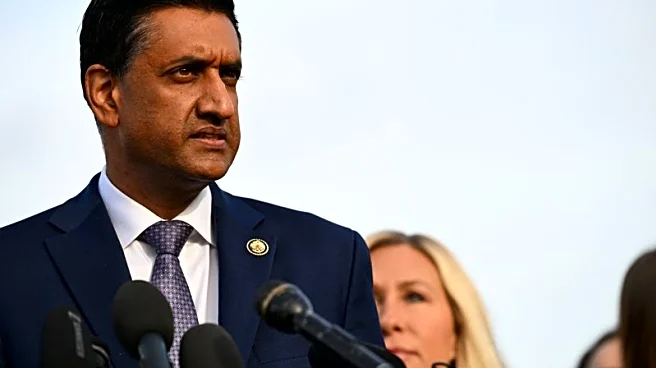
Raja Krishnamoorthi, the Democratic ranking member of the House of Representatives' select committee on China last week told DHS Secretary Kristi Noem in a public letter regarding Guan that the U.S. has a "moral responsibility to stand up for victims of human rights abuses in Xinjiang."
(Reporting by Michael Martina; Editing by Don Durfee and David Gregorio)