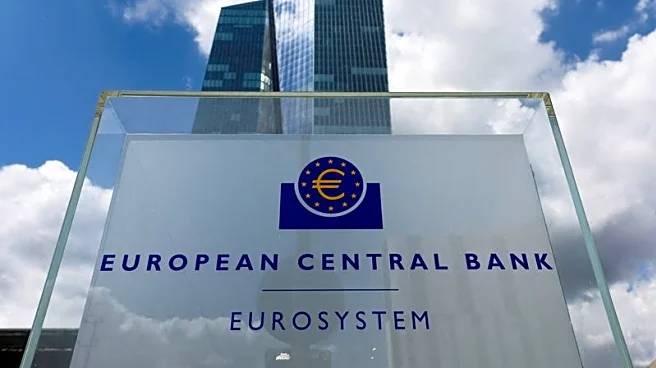




PARIS, Jan 28 (Reuters) - European Central Bank policymakers flagged growing concerns over the euro's quick appreciation against the dollar, warning on Wednesday that it could drag inflation down even as price growth is already set to undershoot the ECB's 2% target.
The dollar was heading for its biggest weekly fall since last April on Wednesday, hitting 1.20 against the euro overnight, its lowest since 2021, on worries over U.S. economic policy and a flight to safer assets like gold.
"We are closely
monitoring this appreciation of the euro and its possible implications for lower inflation," said French central bank chief, Francois Villeroy de Galhau, adding it was a key factor guiding monetary policy "in the months ahead."
He said the weaker U.S. dollar against the euro reflected lower confidence amid unpredictable U.S. economic policy.
While the ECB has no exchange rate target, the currency does impact interest rate policy as key imports, like energy, are denominated in dollars and a stronger euro lowers costs.
FURTHER EURO GAINS COULD MEAN POLICY REVISIT
ECB Vice President Luis de Guindos said last summer an exchange rate of 1.20 versus the dollar was acceptable but levels beyond that could become more complicated.
Austrian central bank chief Martin Kocher, meanwhile, said persistent euro appreciation could force the ECB to revisit its policy stance.
Further euro appreciation could "create of course a certain necessity to react in terms of monetary policy," Kocher told the Financial Times.
Longer-term inflation expectations have not moved much this week and financial markets see interest rates unchanged this year, even if there was now a one-in-four chance of a cut by the autumn.
Policymakers have argued in recent weeks that policy was perfectly aligned with the outlook and no interest rate debate was likely in the near term.
(Reporting by Inti Landauro and Leigh Thomas, Writing by Balazs Koranyi; Editing by Charlotte Van Campenhout and Bernadette Baum)