
By Steve Gorman
LOS ANGELES, Nov 20 (Reuters) - A former ride-share driver accused of deliberately setting the blaze that grew into one of the deadliest, most destructive wildfires in Los Angeles history
was convicted on Friday of federal arson charges in a retrial of the case.
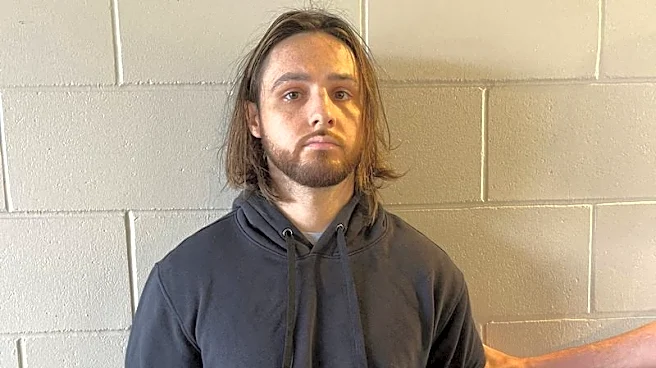
Five months after jurors deadlocked in his first trial, a second US District Court jury found Jonathan Rinderknecht, 30, guilty of destroying property by means of fire, and arson affecting interstate commerce in the 2025 Palisades fire. The verdict came on the third day of deliberations.
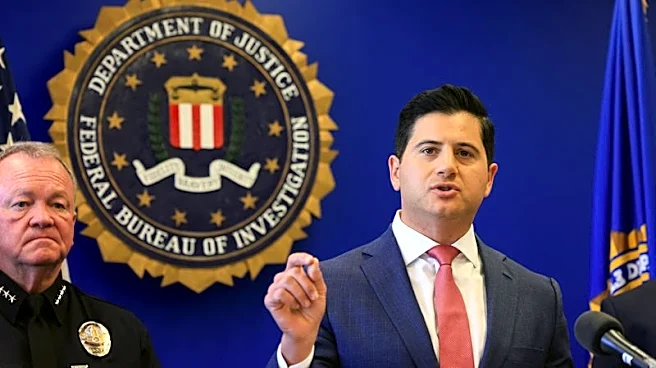
Rinderknecht will be sentenced on March 17, and First Assistant US Attorney Bill Essayli told reporters that the defendant could face up to 40 years in prison.
Prosecutors streamlined their case in the second trial, focusing more on evidence that Rinderknecht was "the only person who could have reasonably, possibly" started the fire and that ruled out other causes, Essayli said.
They characterized Rinderknecht, a former Uber driver of US and French citizenship, at both trials as a dejected loner who bore deep resentment against society, particularly the wealthy, and channeled his rage into an act of arson.
FIRST TRIAL ENDED IN HUNG JURY
He was accused of "maliciously" starting a brush fire on January 1, 2025, that was quickly suppressed but smoldered underground for days. Reignited at the surface nearly a week later, the flames were whipped by fierce winds into a conflagration that killed 12 people and laid waste to the seaside enclave of Pacific Palisades.
Some 6,800 homes and other structures went up in flames, with property losses estimated at $150 billion.
Rinderknecht's defense attorney maintained his client was wrongly accused, suggesting the hilltop New Year's Day blaze was triggered by holiday fireworks and the massive Palisades inferno a week later was a separate fire set by someone else.
The opposing narratives of the disaster left the 12 jurors in the first trial deadlocked 10-2 in favor of acquittal and unable to reach a unanimous verdict on any of the three original charges.
Judge Anne Hwang declared a mistrial on June 26.
Prosecutors retried the defendant under a new grand jury indictment that dropped one charge altogether and modified the two remaining counts.
SIMULTANEOUS DISASTERS
The Palisades disaster coincided with another catastrophic wind-driven wildfire that erupted almost simultaneously in Eaton Canyon, about 30 miles (48 km) to the east, killing 19 people and ravaging the Los Angeles suburb of Altadena. Fire investigators later concluded that sparks from an electrical transmission tower ignited the Eaton fire.
Rinderknecht was the only person criminally charged in connection with either of the two January 7 blazes, which together rank as the deadliest wildfire calamity ever in Los Angeles County, surpassing the 29 lives lost in the Griffith Park fire of 1933.
Defense attorney Steve Haney had argued at trial that prosecutors lacked sufficient physical evidence or records to prove their case.
In court documents and public statements about the case, Haney also suggested that his client was being scapegoated for failures of the Los Angeles Fire Department.
Essayli said the judge barred the defense from presenting evidence that would have put the fire department on trial, a ruling that kept the focus on the defendant.
Prosecutors said security camera footage and location data from Rinderknecht's cellphone showed he was the only person in the vicinity of the January 1 blaze when it began near a trail in the Santa Monica Mountains National Recreation Area.
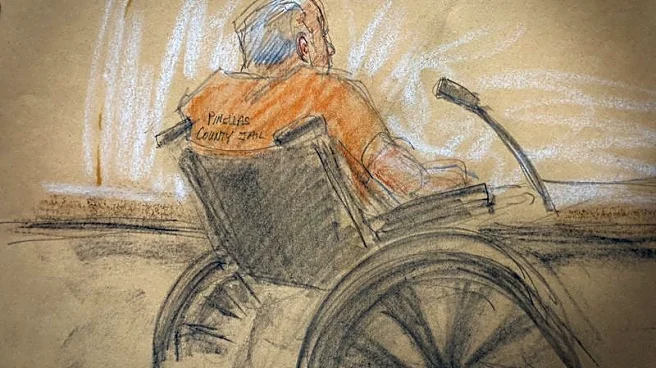
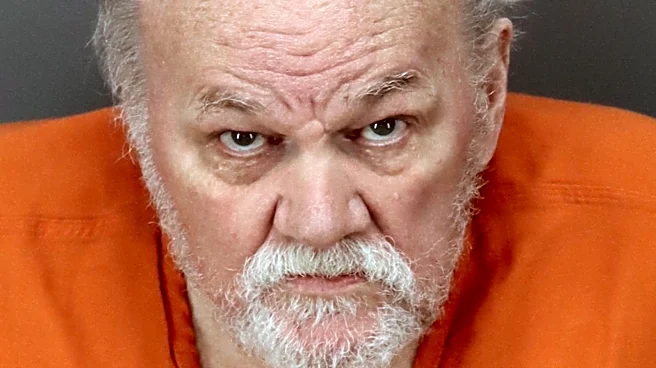
Rinderknecht, a onetime Pacific Palisades resident himself who has remained in custody since he was arrested in Florida in October 2025, declined to testify in his own defense during either trial.
But he professed his innocence in a court declaration filed in March, denying he had willfully started any fire.
He acknowledged witnessing the outbreak of the January 1 fire from the vantage point of a hill he had climbed to watch New Year's fireworks. But Rinderknecht said he immediately called emergency 911 to report the blaze and remained at the scene until firefighters arrived and offered to help them.
Prosecutors have alleged that while placing his 911 call, Rinderknecht asked the AI app ChatGPT on his phone whether someone could be found at fault for lighting a fire "because of your cigarettes," to which ChatGPT replied, "Yes."
(Reporting by Steve Gorman in Los Angeles; Editing by Cynthia Osterman)