




By Stefano Rebaudo
Aug 4 (Reuters) - European stocks climbed alongside U.S. futures on Tuesday, although a rebound in oil prices underscored market scepticism that the U.S.-Iran war would be resolved quickly through diplomacy.
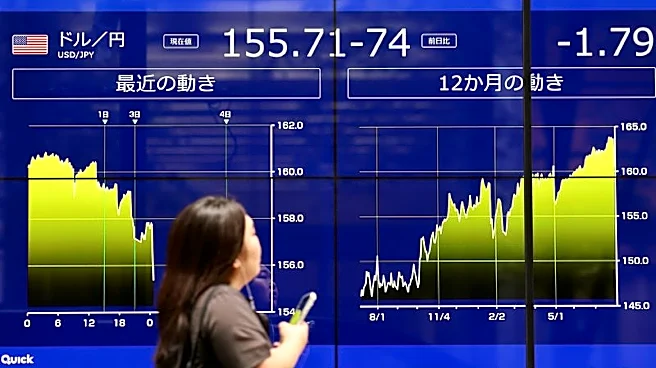
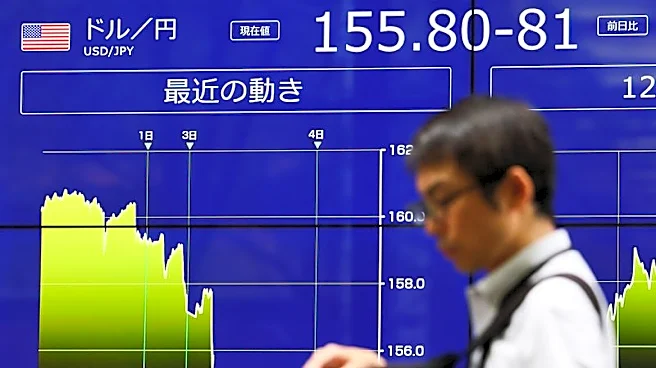
Meanwhile the yen eased, but held on to most of its intervention-driven gains after last week's joint action by Tokyo and Washington to support the currency.
Qatar Foreign Ministry spokesperson Majed Al Ansari said diplomatic efforts to resolve the U.S.-Iran war were ongoing,
but an attack near the Strait of Hormuz underscored doubts that the conflict was nearing an end.
Brent futures rose 1.5% to $85.05 a barrel after dropping 7% in the previous session to a three-week low.
Europe's STOXX 600 .STOXX was up 0.60%, with tech stocks rising 1.85%. Nasdaq futures climbed 0.77% and S&P 500 futures increased 0.20%.
The S&P 500 index <.SPX> rose 1.48% on Monday, hitting 7,610.04, not far from its all-time high of 7,620.90, while the Dow Industrials reached a record closing high. Nasdaq Composite jumped 2.12%.
MSCI's main world stocks index <.MIWD00000PUS> rose 0.10%.
"We are adding risk to sectors which should be less impacted by higher rates. Tech and financials would be our favourite sectors to add back risk in the portfolio," Mohit Kumar, an economist at Jefferies, said, recalling the recent rally in bond yields.
"One underlying factor that continues to support our medium term bullish view is the amount of cash in the system," he added.
Longer-dated U.S. Treasury yields rose to a 19-year high last week after comments from U.S. Federal Reserve Chairman Kevin Warsh raised concerns the Fed may not act aggressively to head off inflation.
Most analysts believe Warsh does not want to hike rates, and the incoming data could provide him enough cover to stay put. The first round of U.S. jobs data is due later on Tuesday.
With almost two-thirds of S&P 500 companies reporting for the second quarter, 84% have beaten earnings estimates, according to LSEG data and market participants.
"Market leverage is high, but a reversal requires aggressive tightening and a yield-curve inversion," Manish Kabra, lead U.S. equities and multi-asset strategist at Societe Generale, said, adding that a yield-curve inversion is not SG's scenario.
SG sees the S&P index at 8,000.
However, concerns linger elsewhere for Europe, with some economists warning that its economy faces a more challenging outlook than other regions as drought hampers Rhine shipping and gas inventories remain under pressure.
YEN DROPS AFTER INTERVENTION-DRIVEN RALLY
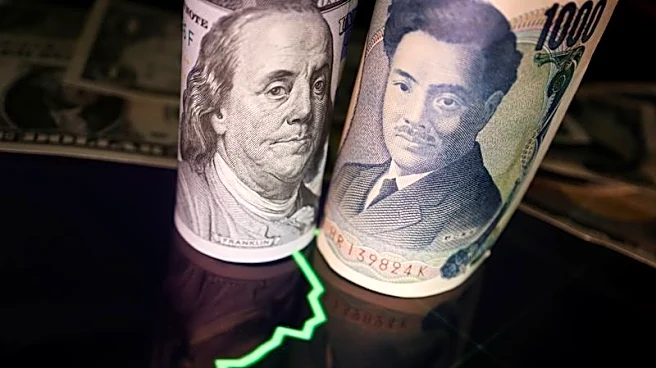
The dollar was up 0.4% at 157.80 yen, rebuilding strength after coordinated intervention by U.S. and Japanese authorities to prop up the yen last week.
The Japanese currency remains about 4% stronger against the greenback compared with levels a week ago that prompted official support and marked the first U.S. intervention in the Japanese foreign exchange market in 15 years.
However, Japan's expansionary fiscal policy and the Bank of Japan's gradual pace of rate hikes could weigh on the yen, some market participants warn.
"The catalysts that can amplify the unwinding of short yen positions (supporting the currency) are, potentially, lower crude oil prices, BoJ policy tightening in September and thereafter, and some moderation in prime minister Sanae Takaichi's fiscal plans, in order to bring debt sustainability back," Thierry Wizman, global forex and rates strategist at Macquarie Group, said.
The U.S. dollar index, which measures the greenback against a basket of six currencies, was steady, not far from the lowest levels of the past two months at 99.97.
(Reporting by Stefano Rebaudo. Editing by Jamie Freed and Mark Potter)