



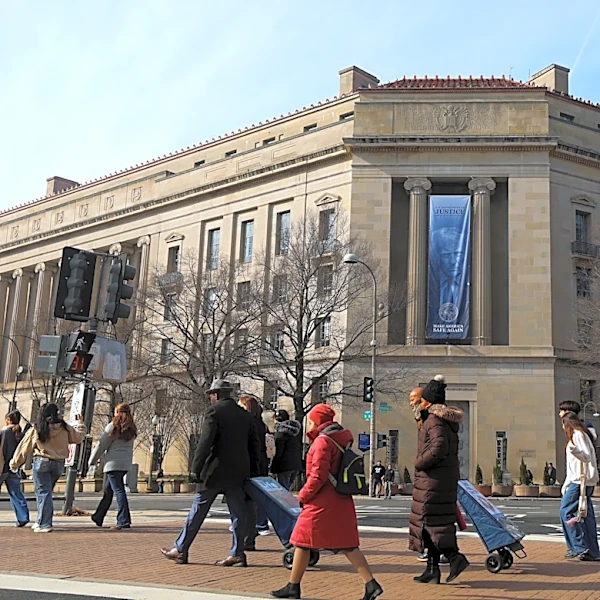

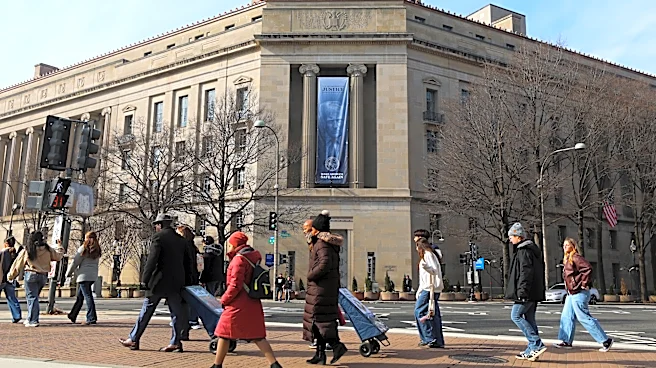

April 21 (Reuters) - The Southern Poverty Law Center, a civil rights organization that tracks extremist groups, said on Tuesday it was facing a criminal investigation and possible charges by President Donald Trump's administration over its past use of paid informants.
CEO Bryan Fair said in a video statement that the Justice Department investigation's "focus appears to be on the SPLC's prior use of paid confidential informants to gather credible intelligence on extremely violent groups." Fair said such
measures were necessary to protect SPLC staff from violence.
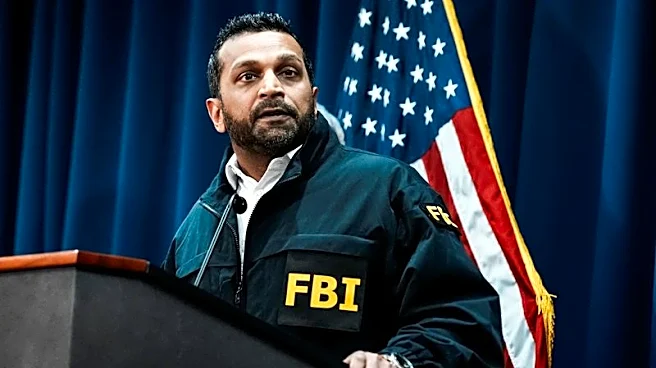
Trump administration officials and conservative figures have criticized the Alabama-based SPLC for labeling some far-right entities hate groups. FBI Director Kash Patel in October ended a yearslong working relationship between his agency and the SPLC, calling the group a "partisan smear machine" that had been used to defame people and inspire violence.
Patel's action came weeks after the assassination of right-wing activist Charlie Kirk, whose conservative youth organization, Turning Point USA, was included in SPLC's "Hate Map" and described as an anti-government group.
An SPLC spokesperson declined to comment beyond Fair's recorded remarks. The Justice Department did not immediately respond to a request for comment.
Fair said in Tuesday's video that his organization had frequently shared what it learned from paid informants with local and federal law enforcement. But Fair said the group did not widely share the fact that it used such sources in order to protect the informants themselves and their families.
Formed in the early 1970s to defend the legal rights of Black Americans following the U.S. civil rights reforms of the 1960s, the SPLC was instrumental in obtaining convictions of members of white supremacist groups such as the Ku Klux Klan.
"Today, the federal government has been weaponized to dismantle the rights of our nation's most vulnerable people and any organization like ours that stands in the breach," Fair said in the video. "We will not be intimidated into silence or contrition, and we will not abandon our mission or the communities we serve."
(Reporting by Julia Harte; editing by Donna Bryson and Will Dunham)