





By Saurabh Sharma
NEW DELHI, April 24 (Reuters) - Ankit Yadav, a seafarer from India, has been stuck on a boat at an inland Iranian port for about 2-1/2 weeks, surviving with his three fellow mariners on limited rations of tomatoes and potatoes.
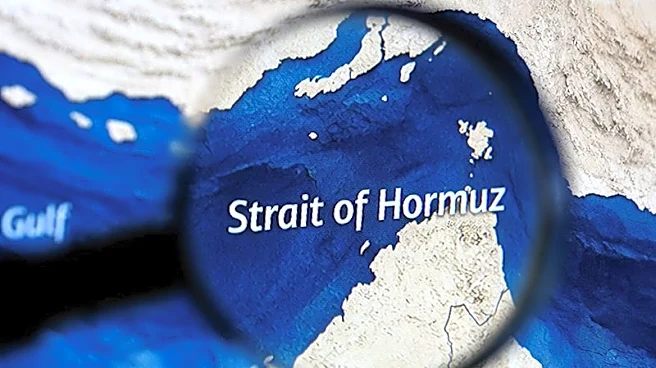
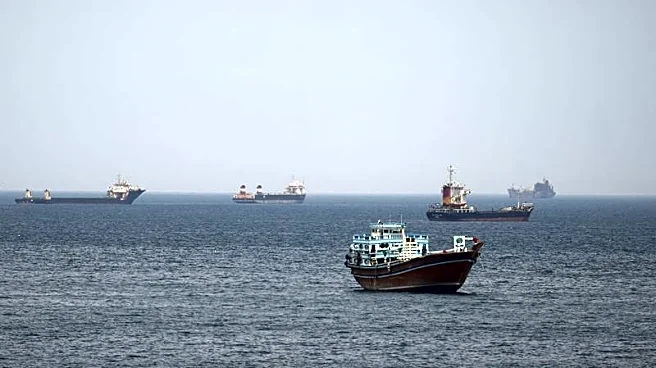
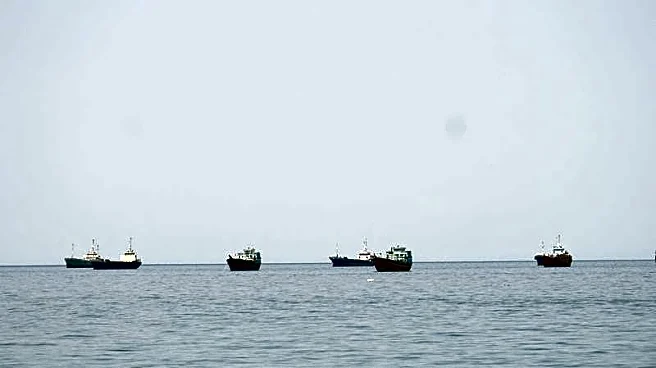
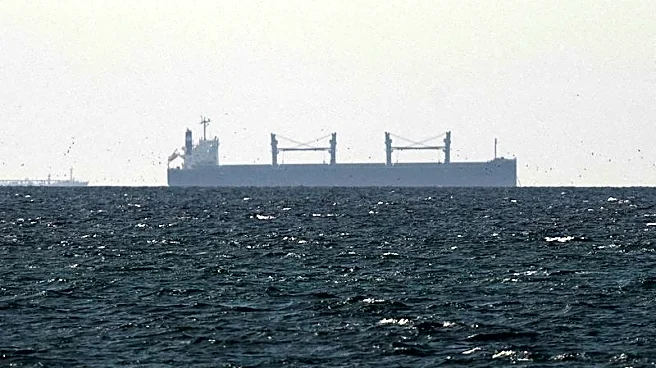
He is one among thousands of seafarers from India and other nations who are stranded in and around the Strait of Hormuz, as the war in Iran disrupts trade along one of the world's busiest ship routes.
Ankit, who is in his early 30s, was on a small vessel carrying
steel and plying between Iran, Kuwait and Oman. He said he could have left the conflict zone had the vessel received permission to sail to Oman and then be repatriated to India, but that could not happen because of the blockade imposed by the U.S. Navy.
"The shipping company I work for is not ready to give us the sign-off because they do not want to pay higher air ticket prices, and we cannot afford to buy them on our own. The only way out is the government’s help,” he told Reuters by phone.
Salman Siddiqui, another Indian seafarer, is also at an Iranian port on a Comoros-flagged cargo vessel that was bound for Oman from Iran.
“The only thing we do here is plan how to spend the night and pray to God that we do not get hit during an attack,” Siddiqui said, speaking to Reuters from the vessel that is currently harboured at Khorramshahr.
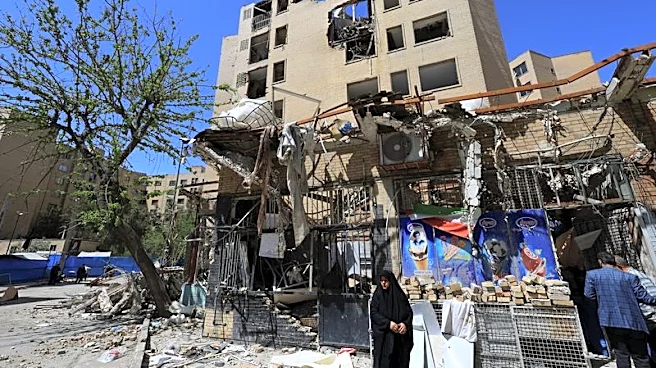
“It is a kind of relief that a ceasefire is in place and we do not hear the same number of explosions like we used to see and hear earlier," he told Reuters by phone.
'SCARY WHEN YOU SEE PROJECTILES FLYING'
India ranks among the world’s top three suppliers of seafarers with a workforce of more than 300,000. The attacks on vessels have raised security concerns among seafarers who are unwilling to return to sea.
"We have heard more than 100 explosions. It is scary when you see projectiles flying and exploding very near your vessel,” Siddiqui said.
Surindra Kumar Chaurasia was among the lucky ones who were repatriated to India. He had been on a vessel near Sharjah port with 20 other crew members waiting for approval to load urea when the conflict broke out.
“We were stranded in the Persian Gulf for about four days, and then our shipping company was able to negotiate with Iran for safe passage. While stranded, we saw ships being attacked by drones, warning messages from the Islamic Revolutionary Guard Corps on VHF radio, fighter jets and more,” Chaurasia said.
His captain received a route from the IRGC, and they sailed close to Iranian and Omani waters because there were sea mines on the other side, he said.
India’s shipping ministry has facilitated the repatriation of about 2,680 Indian seafarers since the outbreak of the conflict. Three Indian sailors have lost their lives owing to the ongoing war and on April 18 two Indian-flagged vessels were fired upon by the IRGC while attempting to transit through the Strait of Hormuz.
(Saurabh Sharma; Editing by Sharon Singleton)