






LONDON, June 12 (Reuters) - The Federal Reserve holds its first meeting with Kevin Warsh in charge, Donald Trump is due to meet other world leaders in France as the Iran war drags on, while a by-election in northern England could launch a contest to oust Britain's prime minister.
Added to that, other central bank meetings may add to drama on financial markets - including in Japan, where interest rates are expected to rise to 1% for the first time in over three decades.
Here's all you need to know about
the coming week in financial markets by Lewis Krauskopf in New York, Rae Wee in Singapore and Amanda Cooper, Marc Jones and Karin Strohecker in London.
1/NEW FED HEAD
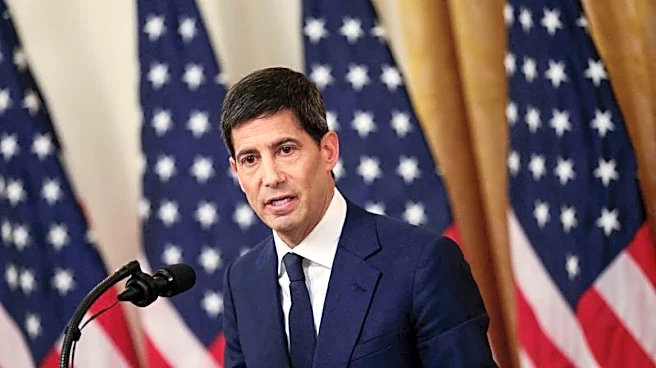
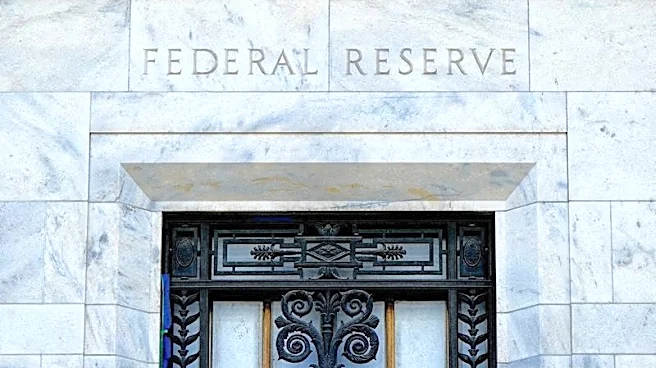
Kevin Warsh chairs his first meeting as head of the U.S. Federal Reserve this week with markets increasingly pricing in the chance that stubbornly high inflation will mean U.S. interest rates go up again in the coming months, rather than down.
Warsh & Co aren't expected to do anything just yet, but all the market focus will be on Wednesday's policy statement and press conference for what the new boss signals - and whether there are any notable changes in his communication style, or fresh ideas on how the Fed should operate.
Officials are also releasing economic and interest rate projections at the meeting, with traders keen for insights into the extent of the divergence in views.
Data this week showed U.S. consumer inflation increased at its fastest pace in three years in May after the Iran war drove a surge in energy prices. Still, President Donald Trump has reiterated his desire for lower interest rates.
2/GETTING TOGETHER
Wars in the Middle East and Ukraine are set to dominate next week’s Group of Seven summit in France's picturesque Evian-les-Bains, especially now Trump has suggested a peace deal with Iran could be struck in Europe over the weekend.
Having already shifted the dates to accommodate Trump's birthday plans for cage fighting on the White House lawn, French officials, like other recent summit hosts, have set the bar low, suggesting it will be a success if Trump just stays for the whole event, having left the 2025 version early.
The Middle East problems mean Saudi Arabia, the United Arab Emirates, Qatar and Egypt have all been invited, as has Ukraine's President Volodymyr Zelenskiy as Europeans push Washington to maintain support for Kyiv against Russia.
Leaders will also discuss broader issues such as economic security, global imbalances and reducing dependence on China for critical minerals, though concrete outcomes are expected to be limited.
3/THE 1% CLUB
The Bank of Japan also meets next week with market watchers expecting a long-awaited 25-basis-point hike on Tuesday that would lift Japan's key interest rate to 1% for the first time since 1995.
With the move well-telegraphed, it's unlikely to materially lift the struggling yen. The currency remains deep in intervention territory following another difficult year and analysts say a much faster pace of tightening would be needed for the yen to really benefit.
That looks a tall order given the prolonged war in the Middle East and the BOJ's cautious track record. Adding to the difficulties, Governor Kazuo Ueda will not be there, due to his hospitalisation this week. It will be first time a BOJ governor misses a scheduled policy meeting since at least 1998.
Australia's central bank will also be in debate, although it is widely expected to keep rates on hold when it meets on Tuesday having hiked three times already this year.
4/ STORMY WEATHER IN THE UK
The coming week is a bumper one for UK markets. A local election on the outskirts of Manchester, northern England, could result in a serious contender for Prime Minister Keir Starmer's job, as the Labour leader deals with near-rebellion within his own ranks and record voter dissatisfaction over his handling of the economy.
The June 18 by-election in the town of Makerfield could allow Greater Manchester Mayor and Labour candidate Andy Burnham to return to Westminster. Many in the markets believe he would favour a more expansive fiscal policy than Starmer.
The UK already has very little financial wiggle room and borrowing costs are eye-wateringly high. An auction of 10-year gilts on June 16 could provide a gauge of investor appetite for UK bonds against a fraught political backdrop.
And all this is even before the Bank of England meeting on June 18, at which UK rates will likely remain unchanged, and data releases from inflation to consumer spending.
5/EMERGING CONCERNS
While all Asian energy importers have borne the brunt of the Strait of Hormuz shock, Indonesia has been particularly hard hit, meaning its central bank will be back in the spotlight ahead of Thursday's rate call.
A toxic mix of policy uncertainty, governance worries and fiscal slippage under President Prabowo Subianto - on top of an unforgiving global backdrop - has driven the rupiah to record lows and billions of dollars out of local markets.
Caught off guard by the speed and scale of the slide, policymakers responded this week with an surprise 25 basis point rise, alongside heavy FX intervention. Another hike looks more like a question of how much, not if.
Meanwhile, Brazil’s central bank is up on Wednesday - and markets still can't decide whether it will keep lowering rates or hit pause as inflation heats up. After back-to-back 25 bps cuts in March and April that took the Selic to 14.5%, the easing cycle is less straightforward.
(Graphics by Prinz Magtulis; compiled by Marc Jones; editing by Barbara Lewis)