







By Nushaiba Iqbal
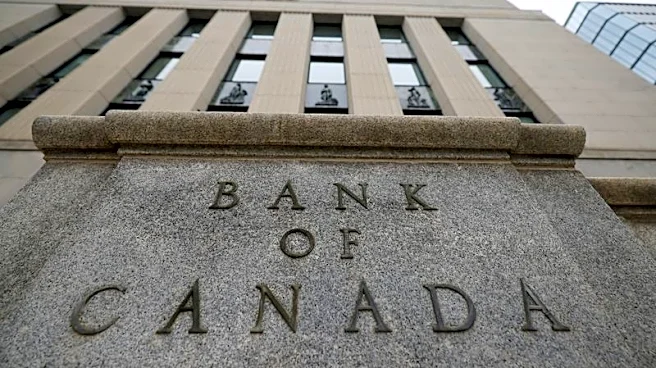
BENGALURU, June 5 - The Bank of Canada will hold its key overnight rate at 2.25% on June 10 and for the rest of the year, according to a majority of economists polled by Reuters, despite rising inflation risks stemming from a conflict-driven rise in energy prices.
While a persistent energy shock due to the U.S.-Israeli war with Iran pushed inflation to 2.8% in April from March's 2.4%, it remained within the central bank's 1-3% target range and a decline in core inflation suggests
demand remains weak.
That gives the BoC, which cut rates by 275 basis points between June 2024 and October 2025, room to stay put as economic activity lags.
Robust job gains in May were welcome news for Canada's economy, which entered a technical recession in the last quarter for the first time since the COVID-19 pandemic.
All 34 economists in the June 2-5 Reuters poll expected the BoC to leave the overnight rate unchanged next week. Over 80%, 28 of 34, predicted it would stay on hold throughout the year, similar to April poll estimates.
Meanwhile, financial markets are pricing in one rate hike by end-2026.
"We are not projecting any hikes or cuts this year," said Avery Shenfeld, managing director and chief economist at CIBC Capital Markets.
"Core inflation will heat up in upcoming months on the spillover from oil prices, but not enough to justify a rate hike that would slow recovery in an economy far from full employment.”
Canada's economy continues to struggle with trade-related uncertainties from the U.S., the country's largest trading partner.
The U.S.-Mexico-Canada free trade agreement, dubbed USMCA, which has shielded most of the country's exports from U.S. tariffs, is up for renewal in July. Dominic LeBlanc, the minister responsible for Canada-U.S. trade, recently said Canada had a positive meeting with the U.S. about the review.
Over 40% of poll respondents expected a rate hike in early 2027. However, views were split on the timing.
"A renewed oil price surge comes at a time when inflation expectations are more sensitive, raising the risk that shocks may carry larger and more persistent effects than in the pre-COVID period," said René Lalonde, director, modelling and forecasting at Scotiabank.
"If the Middle East conflict drags on and credibility slips further, inflation would become more persistent and rise more sharply, requiring materially tighter policy."
(Other stories from the Reuters global economic poll)
(Reporting by Nushaiba Iqbal; Polling by Sarupya Ganguly and Indradip Ghosh; Editing by Hari Kishan and Nia Williams)