







By Lucy Craymer
WELLINGTON, May 28 (Reuters) - Less than six months out from what's shaping up to be a closely fought election, New Zealand will unveil a bare-bones budget on Thursday, one forged in the face of a worsening economic outlook, renewed inflation risks and watchful ratings agencies.
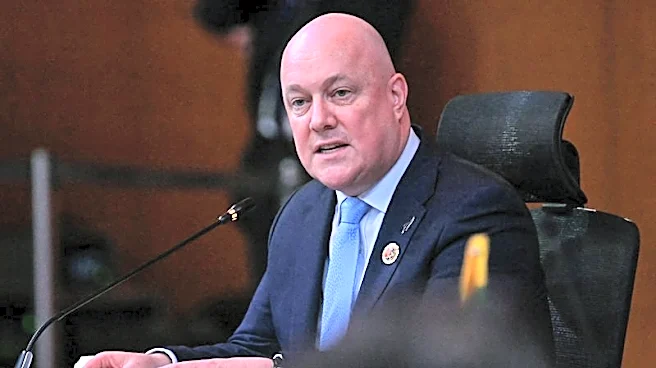
Prime Minister Christopher Luxon's conservative government is casting its third budget as a test of fiscal discipline, keeping a tight rein on spending while still funding core priorities such as health, education,
infrastructure and defence.
"This budget will be about securing New Zealand's future, protecting our economic recovery, maintaining fiscal discipline, and investing carefully in the things that matter most to all of us," Luxon told a press conference on Monday, citing the impact of global volatility and uncertainty on the economy.
The challenges are stark, with the Iran war boxing policymakers into a corner. Global shocks have soured the outlook since Treasury's last forecasts in December, fuel prices have reignited inflation above the Reserve Bank of New Zealand's 1%–3% target, and growth is expected to soften, crimping tax revenues.
With Fitch and Moody's shifting New Zealand's sovereign outlook to negative, Thursday's budget must walk a narrow line - reassure markets and ratings agencies on discipline, while giving voters something to hold onto ahead of November's election.
“The government has the challenge of trying to both appear fiscally credible to voters, but also giving them some kind of sweetness to vote for them,” said political commentator Ben Thomas. This was complicated by the “less usual challenge of extremely constrained fiscal circumstances, thanks to New Zealand's stubbornly slow-to-arrive economic recovery,” he said.
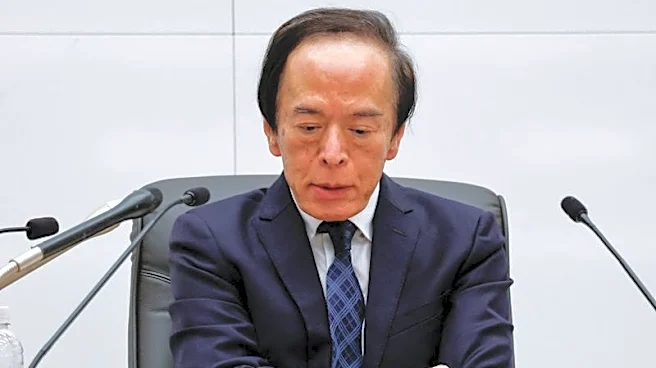
The RBNZ held the official cash rate at 2.25% in a tight vote on Wednesday but flagged that hikes were imminent to counter the energy shock, likely putting an additional drag on the economy.
When the government called the election in January for November 7, it had expected the economy to be on a path of sustained growth, inflation around 2% and falling unemployment. But the central bank is forecasting no growth in the second quarter and just 0.2% in the third quarter.
The government has already signalled fiscal restraint. It said it will cut net operating spending for the year to June 2027 from its December forecast by NZ$300 million ($175.56 million) to NZ$2.1 billion, with public departments told to cut costs, reduce headcount and even prepare for mergers as part of a broader overhaul.
At the same time, the government is pivoting toward longer-term investment, pledging a 63% lift in capital spending focused on hospitals, schools and defence.
"It's clearly a pretty constrained fiscal picture," ANZ chief economist Sharon Zollner said in a weekly podcast, wagering on the budget being "very tight on the opex in order to fund a bit more capex".
"The signals have certainly been that there's not going to be a lolly scramble," Zollner added.
($1 = 1.7088 New Zealand dollars)
(Reporting by Lucy CraymerEditing by Shri Navaratnam)