







By Julia Payne
EVIAN-LES BAINS, France, June 17 (Reuters) - Group of Seven leaders agreed on Wednesday to step up coordination to cut their countries' reliance on China for critical minerals, including plans to align stockpiling and launch a new platform with an expanded role for the International Energy Agency.
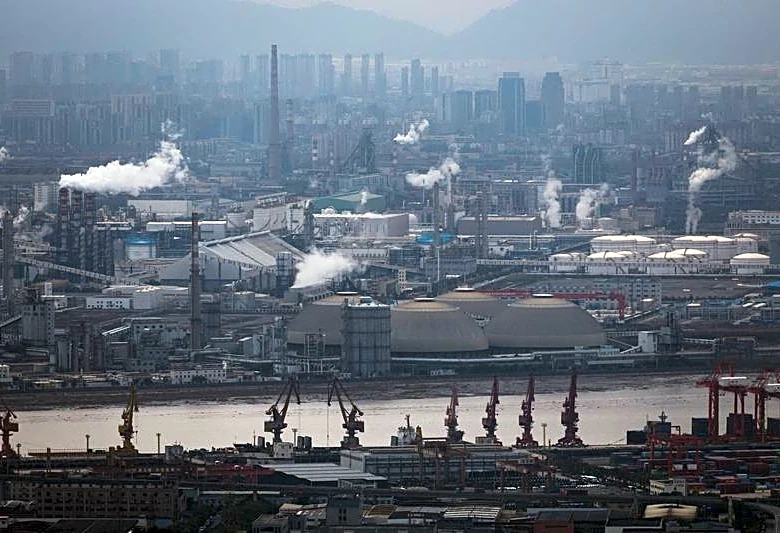
Western powers are racing to diversify supplies of metals vital to defence, technology and renewable energy and reduce dependence on China. Beijing rattled global markets last year when export
curbs on permanent magnets disrupted industries, exposing their reliance on a single source.
Without naming China, the leaders said they aim to reduce dependence on any one supplier outside the G7 and partner countries for rare earths and permanent magnets to below 60% by 2030, with an ultimate goal of 50% "as soon as possible".
"We are committed to working towards establishing harmonized, interoperable mechanisms .... This would start with two pilot critical minerals – lithium and nickel – and aim to avoid undermining competitiveness or imposing excessive cost burdens," the leaders said in a joint statement.
The mechanisms would later expand to five new minerals each year with a focus on rare earth elements.
The G7 will also set up a platform to coordinate policy, data sharing and crisis response, working with the IEA to monitor markets and flag risks, as first reported by Reuters.
The platform will draw on the agency for analysis and "early warnings of market distortions", the group said.
G7 countries and allies face the challenge of building full supply chains from mining to end-product, requiring billions of dollars of investment. The leaders said G7 development finance institutions and export credit agencies should work together, including with the private sector, to back projects and infrastructure.
So far, countries have announced 195 projects since the start of 2026 with €64 billion ($74 billion) in investment.
The statement added that countries would explore "price-gap subsidies, joint procurement instruments and trade-related instruments such as quotas and price floors", including through "plurilateral trade agreements". The U.S. is expected to propose legally binding deals with Japan and the EU this month.
($1 = 0.8627 euros)
(Reporting by Julia Payne; Additional reporting by Makini Brice and Sudip Kar-GuptaEditing by Dminique Vidalon and Mark Potter)