









By Leila Miller
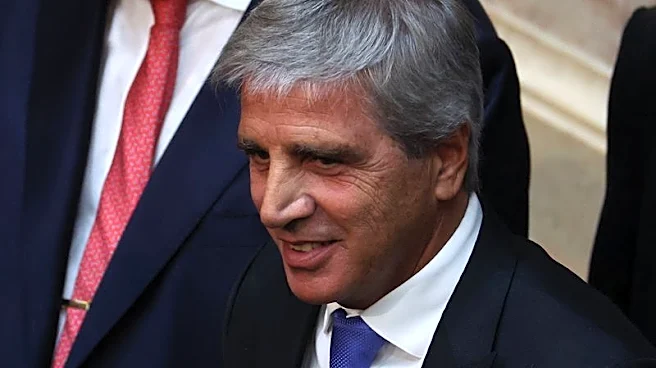
BUENOS AIRES, July 6 (Reuters) - Argentine Economy Minister Luis Caputo said on Monday the government expects to meet debt payments through 2027 with multilateral loans, privatizations and local bond issuance, while avoiding a return to international bond markets for now.
Caputo told a news conference Argentina would seek to refinance existing debt at the lowest possible rates and was not targeting any specific yield before returning to global capital markets.
"If we have cheaper options,
naturally we're going to continue with that option," he said.
Argentina faces a foreign-currency debt test in 2027 - the year President Javier Milei has said he will seek re-election - with over $23 billion in foreign-currency principal payments due, or more than $32 billion including interest, according to International Monetary Fund figures.
Investors are watching closely for signs Milei may struggle to sustain his fiscal tightening, which could pressure the peso and unsettle markets.
So far, Milei has maintained a tight fiscal stance, helping slow monthly inflation from 25.5% in December 2023 to 2.1% in May. Argentina has relied on local dollar-linked bonds, repo transactions and multilateral financing to build foreign-currency reserves.
Caputo rejected criticism that the government has hurt domestic industry by easing imports, saying previous administrations had protected inefficient sectors rather than pushing them to become competitive.
He said the government was focused on supporting local industry by cutting taxes and improving infrastructure, adding that "it can't cost more to transport merchandise within the country than to export it to China."
Caputo said dollar inflows would also come from Milei's large-investment incentive regime, known as RIGI, which has drawn interest in sectors including mining and energy, as well as from privatizations such as the railway network.
He said reaching investment-grade status would be a priority, though Argentina's sovereign debt remains deep in speculative territory despite recent upgrades from S&P and Fitch.
Critics of Milei's economic program have pointed to the toll of subsidy cuts and austerity on consumers. Falling purchasing power and corruption scandals have hit his popularity.
Caputo said there was no plan to change course.
"We're going to continue this line of reducing risks and not stepping out of fiscal and monetary orthodoxy," he said.
(Reporting by Leila Miller; additional reporting by Rodrigo Campos; Editing by Kylie Madry and Sanjeev Miglani)