





By Shashwat Chauhan
July 31 (Reuters) - The yen briefly jumped on Friday as traders remained alert for a second round of intervention after Japanese authorities stepped in to prop up their currency a day earlier.
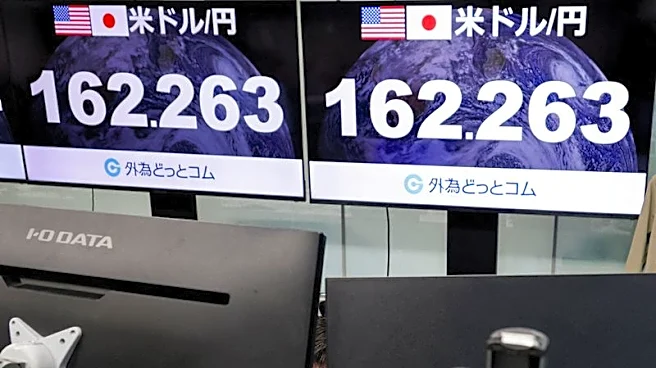
The yen traded up as much as 0.6% at 158.535 per dollar in London morning trading but quickly gave up its gains.
It was last down 0.3% at 159.905, having weakened to as low as 160.90 against the dollar after the BOJ earlier in the day kept short-term interest rates steady at 1% in a widely
expected move.
Thursday's yen-buying and dollar-selling intervention set the Japanese currency for its biggest weekly rise since February and a monthly jump of more than 1.7%. The move has pulled it away from four-decade lows but failed to give it a sustained boost.
"If authorities fail to convince markets of their commitment, intervention could reinforce perceptions that policymakers are running out of options, thereby accelerating rather than reversing yen depreciation," Shusuke Yamada, FX/rates strategist at Bank of America said in a note.
"The stakes are high. This may not be a time to underestimate policymakers' determination to defend the currency."
The BOJ, which hiked rates to a 31-year high last month, warned for the first time that underlying inflation could exceed its target, signalling further rate hikes from as soon as September.
BOJ Governor Kazuo Ueda said many of the board members' inflation forecasts are fairly high and they see risks skewed to the upside.
Japan's slow pace of rate hikes has been blamed for pushing the yen to 40-year lows below 163 per dollar recently, and most analysts polled by Reuters expect the BOJ to raise rates again to 1.25% by year-end.
Speculators have amassed large bearish bets on the yen, with weekly data from a U.S. regulator showing net short positions worth $11.65 billion, near the highest in two years, according to data published on July 24.
Tokyo was also receiving support from the U.S. that "goes beyond psychological support", Japan's top foreign exchange diplomat said on Friday.
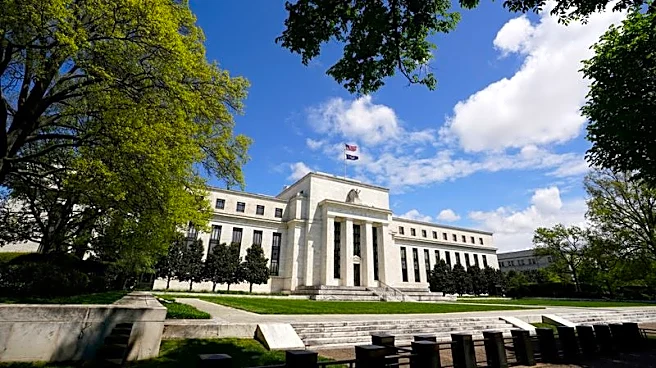
Nikkei reported U.S. authorities conducted rate checks. The New York Federal Reserve declined to comment.
In a rare coordinated move, South Korea also conducted dollar-selling intervention on Thursday to support its currency, a market source told Reuters.
The won rose to a nine-month high before paring some gains, last down 0.9% to stand around 1,438 against the dollar.
WAVE OF INTEREST-RATE DECISIONS THIS WEEK
The BOJ meeting followed the U.S. Federal Reserve's decision to leave interest rates unchanged, which bruised the dollar as traders questioned whether the Fed's new chair was serious about containing inflation.
That has added to the dollar's pain with the greenback heading for its biggest weekly fall since early April and a monthly loss of nearly 1% against a basket of peers.
On Friday, it was a touch higher after falling around 1.5% in the last three sessions.
"The market is a bit lost in translation in the sense that forward guidance has been literally abandoned by all the major central banks and now the market is moving quite fast when it comes to the monetary policy expectations," said Mabrouk Chetouane, head of global market strategy at Natixis Investment Managers in Paris.
In Europe, the euro
Sterling was down 0.1% after nearing a two-week high on Thursday.
The Bank of England also kept its main lending rate steady in a widely-expected decision on Thursday.
Norway's crown was on track to notch the biggest gains against the U.S. dollar among major currencies, up nearly 4%.
The Aussie and Kiwi dollar were little changed at $0.703 and $0.587, respectively.
(Reporting by Jiaxing Li in Hong Kong, Ankur Banerjee in Singapore and Shashwat Chauhan in Bengaluru; Editing by Yoruk Bahceli and Arun Koyyur)