
By Leika Kihara
TOKYO, April 20 (Reuters) - Most Japanese households expect prices to continue rising in the coming years, a quarterly survey showed on Monday, keeping pressure on the central bank to proceed
with further interest rate hikes.
But fading prospects of a near-term end to the Middle East war have led markets to scale back bets of an April rate hike, as uncertainty over when the Strait of Hormuz will re-open muddles the outlook for Japan's import-reliant economy.
"Even if hostilities stopped immediately and the strait fully reopened, the economic damage from the conflict is only now registering in the data - hardly the conditions under which BOJ Governor Ueda Kazuo has historically been willing to move," said Stefan Angrick, head of Japan and Frontier Markets Economics at Moody's Analytics.
"Assuming the Middle East conflict winds down over the coming weeks, the BOJ will hike rates in the summer. Our baseline forecast is for a hike in June," he said.
The BOJ's March survey showed the ratio of households who expect prices to rise a year from now stood at 83.7%, compared with 86.0% three months ago.
The survey also showed 82.6% of households expect prices to rise five years from now, compared with 83.0% in the previous survey, the Bank of Japan said.
On average, households expect prices to rise 10.3% five years from now, the highest level since the BOJ began taking relevant data in 2006, the survey showed.
The survey, taken from February 4 through March 9, likely did not incorporate much of the impact of surging oil prices from the Middle East conflict that began with the U.S.-Israeli attack on Iran on February 28.
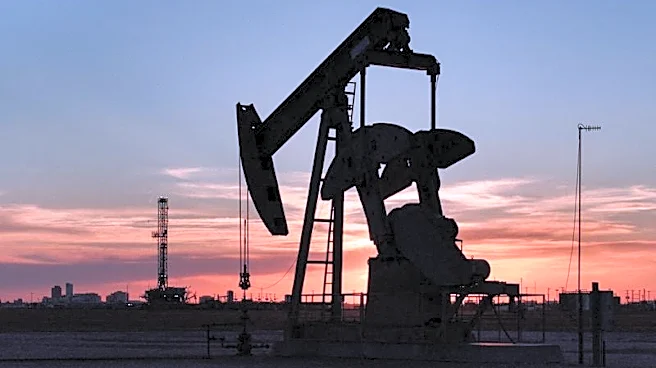
The war-induced spike in fuel costs further complicates the BOJ's rate-hike decision by adding to already mounting inflationary pressures, while threatening to hurt an economy heavily reliant on fuel imports from the Middle East.
Once seen as a strong possibility, a rate hike in April has turned into a fainter prospect as uncertainty over the Middle East conflict keeps markets volatile, sources have told Reuters.
Japanese government bonds rallied on Monday on receding prospects of an April rate hike. But rising inflation expectations will keep the BOJ on course for further hikes to its short-term policy rate, which, at 0.75%, remains below levels deemed neutral to the economy, analysts say.
"While the BOJ has been steadily laying the theoretical groundwork for further rate hikes, it is likely to focus on scrutinising the economic and price impact of the energy shock this time," analysts at Mitsubishi UFJ Morgan Stanley Securities wrote in a research note, in pushing back bets of the next rate hike to June from April.
The BOJ holds its next policy meeting on April 27-28, followed by a subsequent meeting on June 15-16.
(Reporting by Leika Kihara and Takahiko Wada; Editing by Christopher Cushing and Jacqueline Wong)