






Pakistan's Stance Emerges
The Pakistan cricket team's participation in the T20 World Cup has been cast into doubt, with the Pakistani government initially suggesting a boycott of
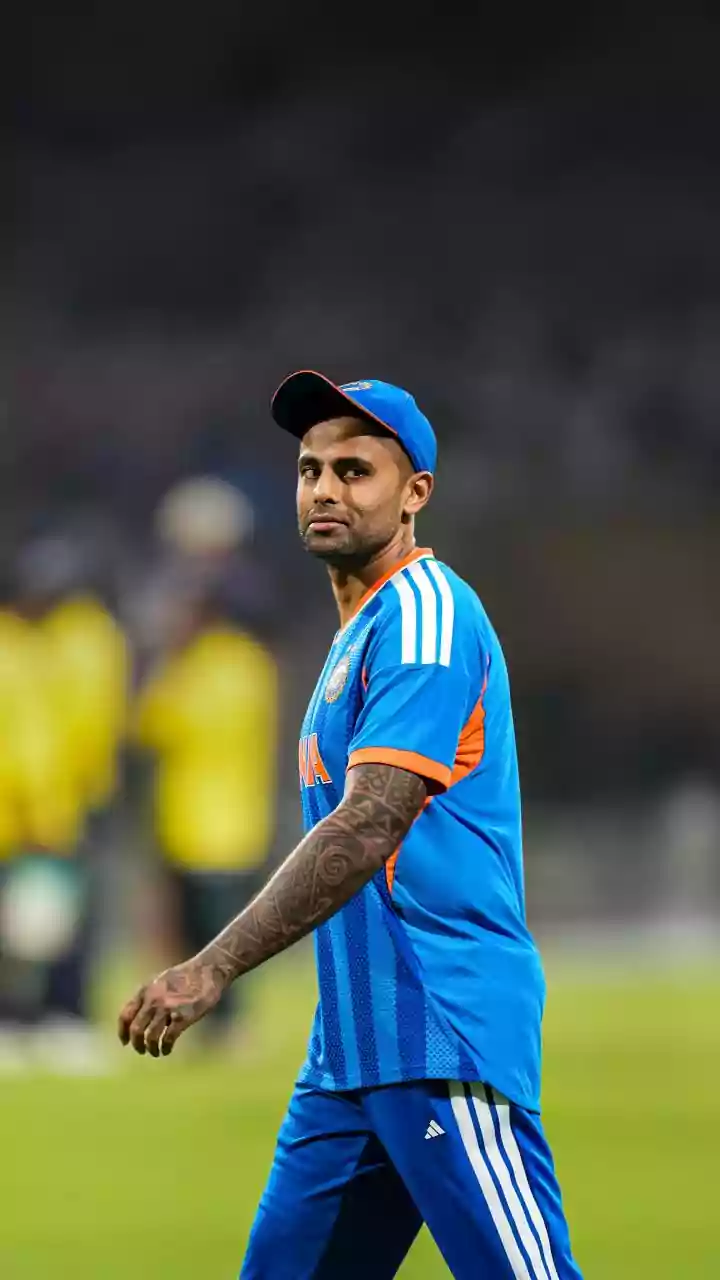
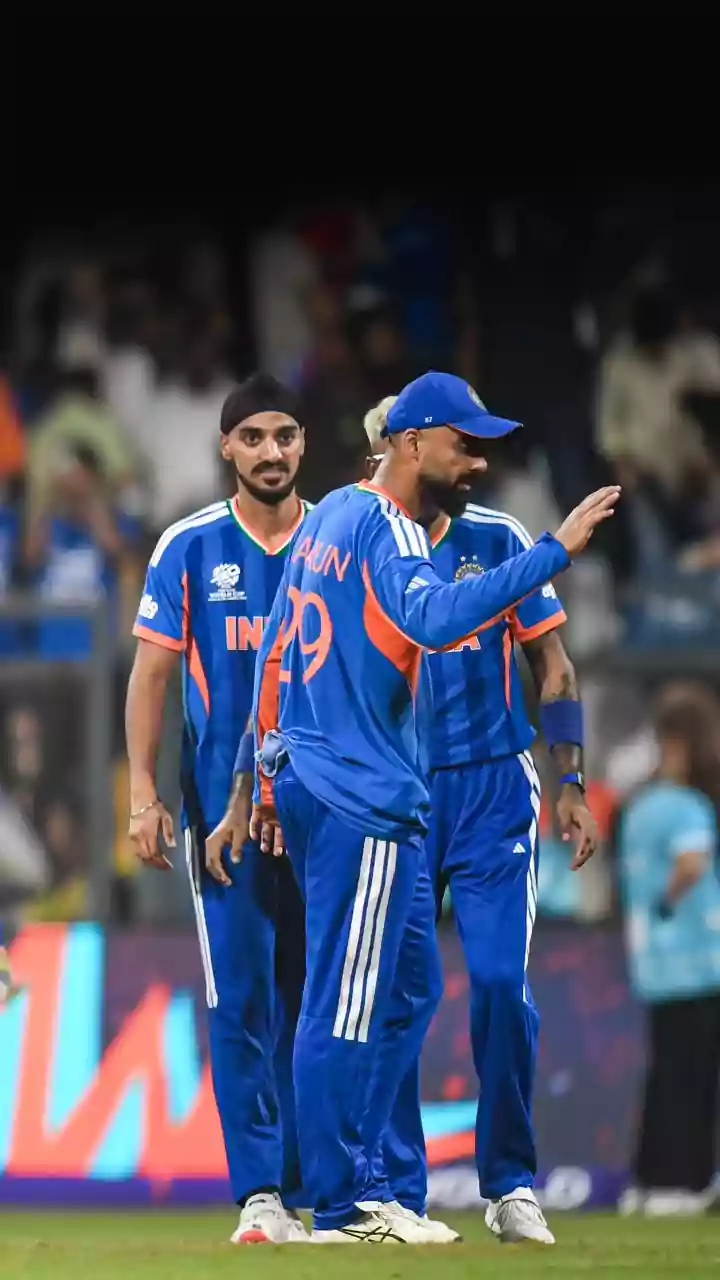
the match against India. This decision, reportedly stemming from a desire to support Bangladesh's exclusion from a tournament, was first announced via social media. Prime Minister Shehbaz Sharif publicly confirmed this stance, emphasizing a belief that sports should remain separate from political considerations. This announcement followed social media claims that the team was barred from playing the fixture. However, the official Pakistan Cricket Board (PCB) had yet to formally communicate this decision to the International Cricket Council (ICC), which issued a statement indicating its awareness of the situation. Meanwhile, the Indian team, through captain Suryakumar Yadav, has confirmed their readiness to travel and play, stating their flight bookings were confirmed, indicating a contrast in readiness and intent between the two nations.
International Diplomacy and Appeals
Amidst the growing controversy, Sri Lanka Cricket (SLC) has actively intervened, penning a letter to the PCB urging them to reconsider their decision to potentially boycott the India match. Reports indicate that SLC highlighted the significant financial losses the country would incur, particularly citing pre-existing hotel bookings for the event. The Sri Lankan board also referenced past instances where they had supported Pakistan during challenging times, suggesting a reciprocal gesture was expected. Meanwhile, international cricket bodies like Cricket Australia (CA) and the England Cricket Board (ECB) are reportedly displeased with the PCB's stance. The broadcaster has also reportedly warned the PCB of potential legal action. The ICC, recognizing the gravity of the situation, has assigned its deputy chair, Imran Khawaja, to engage in back-channel discussions with the PCB, aiming to find a resolution and convince them to participate in the fixture.
Potential Repercussions and Expert Opinions
The implications of Pakistan's potential boycott extend beyond the immediate tournament. Experts suggest that Pakistan could face substantial financial penalties, potentially losing around 40 billion PKR (approximately Rs. 1295.70 crore) in ICC revenue for the current cycle if the match does not proceed. Beyond financial losses, concerns have been raised about the long-term impact on India's bid for the 2036 Olympics, as the Olympic Charter requires member nations to maintain amicable relations. With cricket set to be included in the 2028 Los Angeles Olympics, the ICC is closely monitoring events. Former cricketer Ravi Ashwin voiced his opinion, suggesting that Pakistan would likely reverse its decision within days due to financial pressures on all stakeholders, including broadcasters. He also noted that while the India-Pakistan rivalry has diminished in competitive balance, its prestige remains significant.
Political Undercurrents and Future Outlook
The involvement of Pakistan's Interior Minister, Mohsin Naqvi, who also heads the Pakistan Cricket Board, adds a layer of political complexity to the situation. Some reports suggest that Naqvi might adopt a different stance following the upcoming elections in Bangladesh, potentially indicating a shift in strategy influenced by domestic political considerations. This political maneuvering raises questions about whether the boycott is solely based on supporting Bangladesh or if other factors are at play. Experts are questioning the timing and the risks associated with Pakistan becoming isolated from the international cricket community. The controversy also brings to light past instances, such as Pakistan's decision to play India in Dubai during the Champions Trophy as hosts, highlighting the inconsistency in their approach to politically charged sporting encounters and leaving many to wonder about the eventual outcome.