






Punch's Viral Appeal
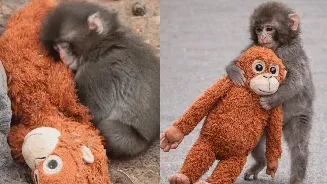
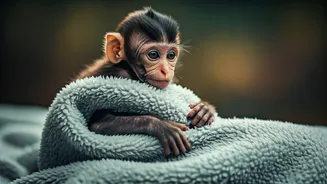
The adorable antics of Punch, the baby monkey, have captivated the internet, drawing significant attention and boosting visitor numbers at the Ichikawa
City Zoo. His story, amplified by the hashtag #HangInTherePunch, resonates deeply, showcasing the public's emotional connection to his plight. This widespread fascination highlights a universal human tendency to empathize with vulnerability and celebrate resilience, demonstrating how narratives of struggle and survival can foster a sense of shared experience and collective hope. The surge in visitors underscores the profound impact that accessible stories of animal welfare and emotional journeys can have on public engagement and awareness.
The Echoes of Abandonment
Punch's early rejection by his mother, likely exacerbated by extreme summer heat, left him in a world that felt unsafe before he could comprehend it. This primal experience of abandonment mirrors human psychological wiring. Whether stemming from childhood trauma, the end of a significant relationship, or a friendship's abrupt dissolution, the core message received by the brain is consistent: connection carries risk, and being chosen is uncertain. Punch's embrace of a plush toy was not mere cuteness; it was a survival mechanism. Similarly, humans often latch onto familiar, though perhaps unhealthy, substitutes like past relationships, stagnant friendships, or romantic entanglements that offer a semblance of predictability, even if they are ultimately unfulfilling.
Clinging to Predictability
The toy provided Punch with not just physical warmth but, crucially, emotional stability. Its presence lowered his heart rate, and its removal caused distress, revealing a fundamental biological drive: when emotional safety is compromised, we intensify our efforts to maintain any semblance of constancy. This adherence to the familiar, even if inadequate, is explained by attachment theory. Early disruptions in emotional bonds—whether through abandonment, rejection, or betrayal—can lead individuals to seek solace in predictable patterns. For humans, this might manifest as revisiting old conversations, maintaining contact with those who have caused pain, engaging in relationships with known limitations, or holding onto individuals who have already moved on. This 'protest behavior' is a deep-seated attempt to avert further feelings of abandonment, much like Punch's tenacious grip on his comfort object.
Striving for Belonging
Punch's integration into the monkey troop proved challenging, as he faced bullying and 'scolding' from older members—typical behaviors towards perceived weaker individuals. Despite attempts to conform, each negative interaction reinforced the precariousness of belonging. This dynamic eerily parallels human relationship patterns, where individuals often gravitate towards people who mirror past emotional wounds, hoping for a different outcome. The pursuit of validation from those who withhold it, or the effort to earn a place in someone's life, can lead to confusing struggle with love, particularly when early experiences of love were fraught with difficulty. While the troop's interactions were about social hierarchy and boundaries, for Punch, who had already experienced abandonment, even minor rebuffs felt like confirmation of unworthiness.
The Gentle Path to Healing
As of February 2026, Punch is exhibiting signs of recovery, gradually socialising and releasing his tight hold on the plush toy, taking tentative steps toward genuine connection. His progress mirrors the slow, subtle nature of human healing. Recovery is often not a dramatic event but a series of quiet victories: choosing not to engage with unhealthy patterns, prioritizing self-care, or developing the conviction that one deserves better than familiar discomfort. Punch's journey is a testament to the universal yearning for security and acceptance. It underscores how abandonment shapes us, the crucial role of comfort objects in navigating grief, and the time-intensive process of fostering authentic belonging. Ultimately, it serves as a gentle reminder that many of us, like Punch, are navigating our own experiences of hurt and learning to love and connect again, not out of desperation, but from a place of growing self-worth.