





New Commuter Guidelines
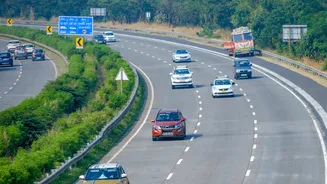
Following the much-anticipated inauguration of the Mumbai-Pune Expressway's 'Missing Link,' traffic authorities have rolled out a comprehensive set of safety
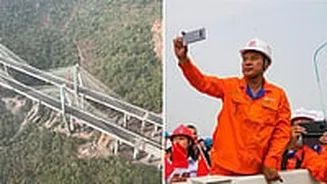
directives designed to significantly reduce the likelihood of accidents and promote efficient travel. A primary concern addressed is the dangerous practice of stopping for selfies or any form of photography along this critical stretch. Officials have emphasized that such actions pose a substantial risk to road users and can lead to severe mishaps. Consequently, stringent enforcement measures are in place, and individuals found contravening these rules will be subject to penalties, underscoring the seriousness with which these safety protocols are being treated to ensure a secure and seamless experience for all commuters traversing this vital corridor between Mumbai and Pune.
Speed Limits & Surveillance
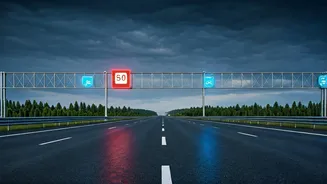
To maintain a controlled and safe environment, specific speed restrictions have been established for different vehicle categories. Light motor vehicles are permitted to travel at a maximum speed of 100 kilometers per hour, while heavier vehicles such as buses and other passenger carriers must adhere to a reduced limit of 80 kilometers per hour. This tiered approach aims to account for varying vehicle dynamics and braking capabilities. Furthermore, to ensure constant vigilance and deter any rule-breaking behavior, the entire 13.3-kilometer stretch, encompassing its tunnels and viaducts, is now under continuous, round-the-clock CCTV surveillance. This technological oversight is a key component of the safety strategy, providing authorities with real-time monitoring capabilities.
Understanding the 'Missing Link'
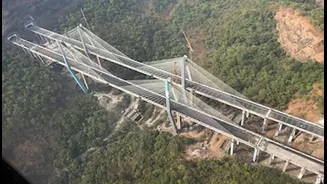
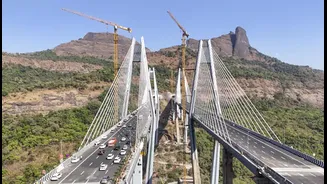
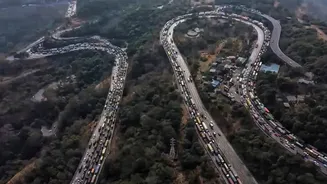
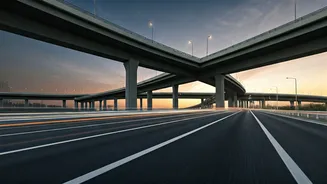
The 'Missing Link' project represents a significant engineering feat, spanning approximately 13.3 kilometers. Its primary objective is to circumvent the notoriously challenging ghat section of the older Mumbai-Pune route, particularly the stretch between Khopoli and Lonavala. This existing segment is known for its sharp bends, heavy congestion from commercial vehicles, and unpredictable slowdowns, especially during adverse weather conditions or peak travel times. The new alignment offers a more direct and streamlined path, designed to drastically cut down travel duration and alleviate driver stress. It features two substantial tunnels and multiple long viaducts, allowing it to traverse the rugged terrain by cutting through or soaring over it, rather than navigating its contours.
Safety Through Design
The innovative design of the 'Missing Link' goes beyond mere speed enhancement; it's fundamentally about bolstering safety. By incorporating steep gradients and elevated structures like viaducts, the project avoids the accident-prone characteristics of the older ghat road. Historically, the former route suffered from frequent accidents due to its steep inclines, sharp turns, and traffic bottlenecks that often resulted in abrupt halts. The new alignment provides a smoother, more predictable driving experience with fewer abrupt changes in elevation and direction. This engineered approach is anticipated to substantially lower the risk of collisions and improve overall road safety for all users of this crucial intercity highway, promising a less hazardous and more efficient journey.