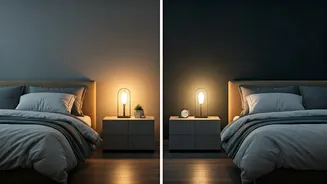







The Rest Revolution
For many, the quiet hours of the night are far from peaceful when sharing a bed. Imagine the common scenario: the persistent drone of snoring, the strategic
blanket theft, or simply the sheer impossibility of finding comfortable personal space. This nightly struggle, often born from deeply individual sleep needs – one partner feeling too hot while the other craves warmth, one seeking absolute silence and the other a constant stream of digital entertainment – can transform a shared bed from a symbol of intimacy into a source of chronic exhaustion. When compounded by differing schedules, daily stressors, or naturally light sleep patterns, bedtime can evolve from a comforting ritual into a nightly negotiation that leaves both individuals feeling drained, irritable, and subtly resentful. This pervasive lack of quality rest can cast a long shadow, impacting mood, patience, and overall relationship harmony. The traditional view of co-sleeping as an unquestioned cornerstone of partnership is now being challenged by a growing number of couples who are bravely asking if this 'norm' is truly serving their well-being and connection.
Defining Sleep Divorce
Contrary to its dramatic name, 'sleep divorce' is not about marital discord or emotional distance. Instead, it's a conscious decision by partners to sleep apart, a choice that can manifest in various ways, from occupying separate beds or rooms to simply agreeing to sleep solo on specific nights. The core principle behind this arrangement is not conflict avoidance, but rather the prioritization of individual comfort and, crucially, restorative sleep. The fundamental understanding is that sleep is an inherently personal experience. What one person needs to achieve deep, refreshing slumber might be entirely at odds with their partner's requirements. These differences, whether it's temperature preferences, noise tolerance, or differing circadian rhythms, can create an environment of constant compromise. When these sleep incompatibilities are left unaddressed, they can lead to fragmented sleep, heightened irritability, and a subtle but persistent undercurrent of annoyance that can permeate the relationship. 'Sleep divorce' offers a solution by removing these nightly disturbances, thereby alleviating the built-up frustration and unnecessary tension that often accompanies shared sleeping arrangements.
Beyond Traditional Norms
The contemporary approach to relationships emphasizes personalization over adherence to rigid societal blueprints. Just as couples are increasingly re-evaluating traditional expectations around life milestones, domestic roles, and personal boundaries, the long-held assumption that sharing a bed is an immutable aspect of partnership is also being questioned. This is a point where many couples pause, as the idea of separate sleeping quarters can initially feel like a sign of growing apart. However, the lived experience for many suggests the opposite. By eliminating the source of nightly disturbances and the subsequent silent frustrations, couples often find that the perceived distance is replaced by a greater sense of peace and understanding. When individuals are well-rested, their capacity for presence, patience, and affection naturally increases, transforming the dynamic of their interactions. This shift allows the relationship to shed the burden of managing sleep-related conflicts, fostering a lighter, more positive atmosphere.
Reshaping Intimacy
Rather than diminishing intimacy, 'sleep divorce' fundamentally reshapes how couples connect. The focus shifts from an assumed, default closeness to a more intentional cultivation of shared moments. Couples who opt for separate sleeping arrangements often find themselves creating deliberate opportunities for connection, such as engaging in meaningful conversations before retiring for the night or enjoying quality time together before retreating to their individual spaces to achieve much-needed rest. This intentionality can lead to softer mornings and more pleasant conversations, as the relationship is no longer weighed down by the fundamental, yet often contentious, issue of sleep. The benefits extend to improved emotional regulation and a renewed sense of personal space, which can paradoxically strengthen the bond between partners. However, it's important to acknowledge that this arrangement is not a universal panacea. For some, the comfort and security derived from sharing a bed are invaluable, and the idea of separate sleeping quarters may feel unfamiliar, unsettling, or simply undesirable. The exploration of 'sleep divorce' is, at its heart, about recognizing and honoring individual needs within the context of a shared life.