








Trade Deal Announced
A significant development in international trade relations has been marked by the announcement of a trade deal between Prime Minister Narendra Modi of India
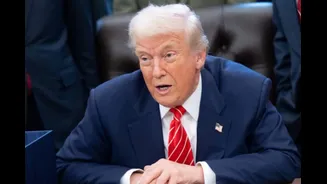
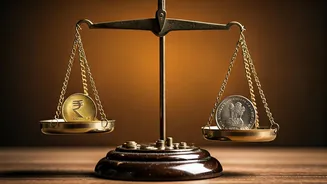
and United States President Donald Trump. This agreement, reached following discussions between the two leaders, outlines a reduction in reciprocal tariffs imposed by the US on goods originating from India. President Trump confirmed that Washington would decrease these tariffs from the current 25 percent down to 18 percent. This adjustment was a key outcome of the bilateral negotiations, aiming to ease trade friction and foster stronger economic ties. The announcement was made public shortly after a conversation between the two heads of state, signaling a positive step forward in the trade relationship between the two nations. The specifics of this tariff reduction are expected to have a notable impact on various Indian export sectors, potentially increasing their competitiveness in the American market.
Opposition's Critique
The trade deal, while welcomed by some, has drawn sharp criticism from India's opposition parties. Rahul Gandhi, a prominent opposition figure, publicly declared the agreement a "surrender" and a "compromise" on India's behalf. This strong condemnation suggests a fundamental disagreement with the terms negotiated. Another opposition leader even went as far as to draw a controversial comparison, linking the trade deal to the disgraced financier Jeffrey Epstein, a statement that has been widely perceived as unusual and politically charged. These reactions highlight a significant divide in the political landscape regarding the assessment of the trade agreement's benefits and implications. The opposition's stance raises questions about the perceived fairness of the deal and whether it truly serves India's best interests, creating a narrative of doubt and dissent amongst its critics.