







What is Heatstroke?
Heatstroke represents a critical medical emergency where the body's internal thermostat fails completely, allowing body temperature to soar dangerously
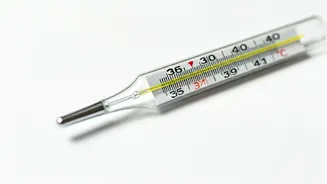
high, exceeding 105 degrees Fahrenheit (40.5 degrees Celsius). Unlike a fever, where the body can still regulate temperature fluctuations, in heatstroke, this regulatory mechanism is broken. This severe overheating is accompanied by serious central nervous system disturbances, manifesting as confusion, agitation, drowsiness, nausea, vomiting, and in extreme cases, seizures or coma. The core issue is the body's inability to dissipate heat effectively, making external cooling measures essential for recovery. It's vital to distinguish this from dehydration, which primarily concerns a reduction in blood volume and overall body fluid levels, rather than a critical rise in core temperature.
Warning Signs Ignored
Many individuals tend to overlook the initial indicators of heatstroke, often delaying seeking help until the situation becomes dire. When exposed to environments with temperatures around 40-45°C, especially coupled with high humidity, the body's cooling capacity diminishes significantly. Early symptoms can include a general increase in body temperature, coupled with feelings of intense thirst, dizziness, nausea, and a general sense of fatigue. By the time patients arrive at medical facilities, they are frequently disoriented, unconscious, and have no recollection of the events leading up to their collapse, underscoring the silent and insidious progression of the condition.
Rising Heatstroke Cases
The alarming increase in heatstroke incidents across India is directly attributed to escalating climate change. Dr. Yadav notes that this condition was far less recognized during his earlier years of practice, highlighting a recent surge in its prevalence. In a stark illustration of the severity, the dedicated heatstroke unit at Dr. Ram Manohar Lohia Hospital, established in May 2024, admitted 75 patients within its first year, tragically resulting in 27 fatalities due to delayed treatment. Globally, untreated heatstroke carries an 80 percent mortality rate, a figure that can be dramatically reduced to approximately 10 percent with prompt and appropriate medical intervention. The most susceptible populations are outdoor laborers, including traffic police, construction workers, street vendors, and security personnel, as well as children and the elderly.
Inside the Heatstroke Unit
To combat the growing threat, a specialized heatstroke unit was inaugurated at Dr. Ram Manohar Lohia Hospital in 2024, focusing on rapid cooling and continuous patient observation. The cornerstone of treatment is swift hypothermia induction, often achieved through cold water immersion where patients are submerged in chilled water. This process aims to reduce body temperature by approximately one degree Celsius every five to seven minutes, targeting a safe temperature of around 38 degrees Celsius within half an hour. The unit is equipped with state-of-the-art facilities, including specialized tubs, ice-making machines, and advanced monitoring equipment. Efforts are also underway to equip ambulances for pre-hospital cooling interventions, emphasizing that every moment is critical in improving survival outcomes. A technique known as TARPOLINE ASSISTED COOLING IN FIELD (TACO) also utilizes ice and a tarpaulin for immediate cooling in emergency situations.
First Aid Essentials
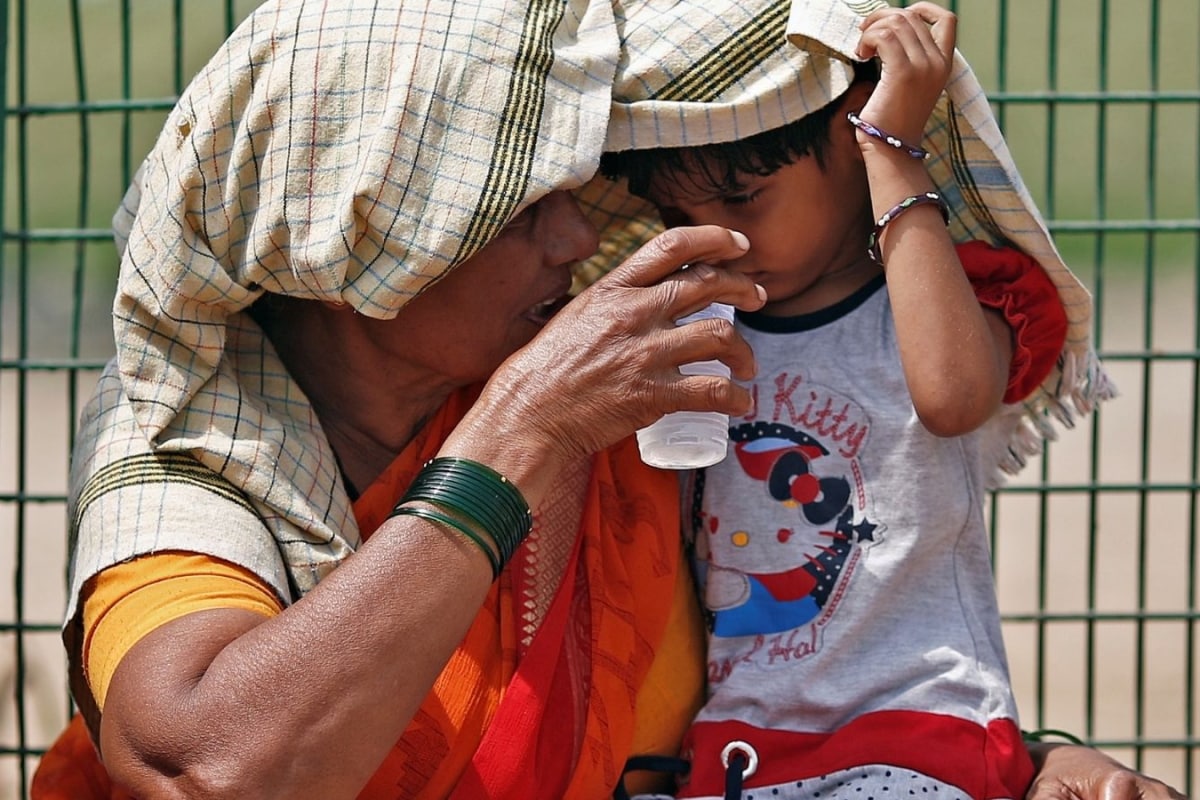
Immediate action is paramount in a heatstroke emergency and can significantly influence survival. For conscious individuals, administering cool water and performing cold sponging are effective initial measures. Bystanders can assist by moving the affected person to a shaded area, continuing with cold sponging, providing oral rehydration solutions (ORS), and applying ice packs to the armpits. While specialized techniques like the TACO method exist, basic cooling measures are crucial for the general public. The overarching goal is to lower the body's temperature as rapidly as possible before professional medical help is reached.
Daily Prevention Strategies
Proactive prevention hinges on heightened awareness and the adoption of simple, consistent habits. Staying adequately hydrated is paramount; this includes consuming plenty of fluids like ORS, juices, buttermilk, and lemon water. It is also critical to avoid the hottest parts of the day, typically between 12 PM and 4 or 5 PM. Wearing light-colored, loose-fitting clothing made from breathable fabrics helps the body stay cool. While traditional remedies like carrying an onion are sometimes discussed, there is currently no scientific evidence to support their efficacy in preventing heatstroke.
Diet and Mental Health
Diet plays a crucial role in managing body temperature during extreme heat. Consuming light, easily digestible foods is recommended, with a strong emphasis on liquids such as juices, buttermilk, lassi, lemon juice, and coconut water. Conversely, energy-dense foods that generate significant internal heat should be avoided. While ice cream may offer temporary relief, its long-term impact is limited. Furthermore, prolonged exposure to high temperatures and heatstroke can have severe and lasting neurological consequences, potentially affecting mental health. In some cases, individuals may not fully recover their cognitive state, as elevated body temperatures can denature essential proteins and enzymes in the body, a process from which full recovery is not always guaranteed.