








Understanding Gut Disruption
Our digestive systems thrive on routine, making travel a significant challenge. When we venture to new places, our bodies encounter unfamiliar foods, varying
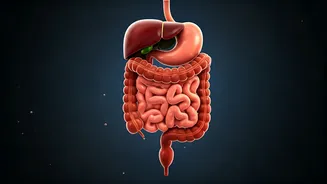
water sources, and altered eating schedules, all of which can disrupt the delicate balance of our gut. This can manifest as anything from bloating and general discomfort to more severe issues like constipation or diarrhea, commonly known as traveler's tummy. Constipation often arises from dehydration, especially in hotter climates where fluid loss through sweat is amplified. Consuming more alcohol than usual can also dehydrate the body and slow down bowel movements. A diet that deviates from the norm, with irregular meal times and fewer fruits and vegetables, further contributes to a sluggish digestive system. Additionally, reduced physical activity during holidays, where less walking and cycling occurs, impacts the natural motility of the gut. Psychological factors and individual predispositions can also play a role in how susceptible one is to experiencing these digestive disturbances.
Causes of Diarrhea
While constipation is a frequent travel companion, diarrhea also affects many holidaymakers. A primary culprit is ingesting food or water contaminated with bacteria or viruses, leading to an 'upset tummy.' Changes in dietary habits can also trigger diarrhea; for instance, consuming high-fat meals or excessive alcohol can overwhelm the digestive system. The high sugar content in many fruit drinks can also cause a laxative effect. Similarly, strong teas and coffees, due to their caffeine content, can stimulate bowel movements too rapidly. Altitude sickness, a condition where the body struggles to adjust to higher elevations, can also lead to digestive upset, including diarrhea, as the body attempts to cope with the change in environment.
Preventative Strategies
Proactive measures are key to preventing traveler's tummy. Before you depart, research your destination for any specific health advisories, particularly concerning food and water safety. Staying well-hydrated is paramount; aim for plenty of water and naturally sweetened beverages throughout the day. Incorporate fruits and vegetables into your diet, opting for varieties similar to those you consume at home to minimize digestive shock. Limit fruit juice intake to one serving daily, and try to maintain regular meal times to establish a predictable routine for your bowels. Engaging in light physical activity, like a post-meal walk, can aid digestion. Avoid overly large meals, especially those rich in fat, and moderate your alcohol consumption to prevent dehydration and digestive strain.
Managing Symptoms
If digestive discomfort does arise, several strategies can help manage the symptoms. For constipation, increase your fluid intake significantly and consider consuming fruit juice to draw more water into your stool. Increasing dietary fiber through sources like dried fruits or seeds (flax, chia) can also be beneficial, but always ensure you're drinking enough fluids, as too much fiber without adequate water can worsen constipation. Over-the-counter fiber supplements or laxatives can also provide relief. For diarrhea, medications like loperamide can help alleviate symptoms quickly. Crucially, combat potential dehydration by consuming oral rehydration solutions and plenty of water. If diarrhea is severe, accompanied by a high fever, or involves blood or mucus in the stool, seek medical attention immediately, as this may indicate a more serious infection requiring specific treatment.