






Understanding Gas Basics
At its core, the distinction between LPG and PNG lies in their composition and delivery. Liquefied Petroleum Gas (LPG) is a blend primarily consisting
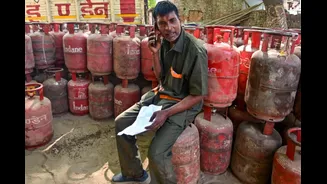
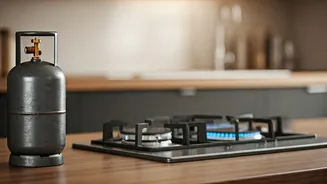
of propane and butane, substances derived from both crude oil refining and natural gas processing. It is typically stored and transported in pressurized cylinders, requiring manual refills for continuous use. In contrast, Piped Natural Gas (PNG) is predominantly methane and is delivered directly to homes through a network of underground pipelines, originating from natural gas fields. This fundamental difference in delivery method and composition leads to significant variations in how each gas is utilized and experienced by consumers. While LPG has been the dominant cooking fuel for millions, with over 33.2 crore active connections including more than 10 crore under the Pradhan Mantri Ujjwala Yojana, PNG adoption is steadily growing, reaching approximately 1.36 crore domestic connections by the end of 2024, indicating a clear trend towards this more modern delivery system.
System and Convenience Factor
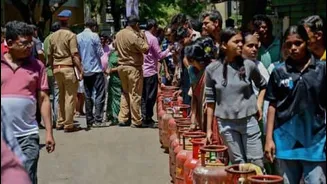
The operational systems of LPG and PNG present a stark contrast in terms of user convenience and reliability. LPG's journey to your kitchen involves a complex chain of bottling plants, extensive transport networks, and doorstep delivery services. This necessitates active management from the consumer, including remembering to book refills, coordinating delivery times, and physically replacing the cylinders. PNG, on the other hand, operates through a direct pipeline infrastructure, ensuring a continuous and uninterrupted supply of gas directly to your home. This means you can simply turn on your stove and cook without the worry of running out of gas or the hassle of managing cylinder logistics. This continuous flow eliminates the need for manual refills and avoids potential supply disruptions that can arise from transportation issues or distribution network challenges inherent in the LPG system, offering a significant upgrade in daily convenience.
Cost-Effectiveness and Savings
When evaluating the financial implications of LPG versus PNG, PNG emerges as the more economical choice for households. The cost of a standard 14.2 kg LPG cylinder is approximately Rs 912.50 in Mumbai and Rs 913 in Delhi. In contrast, PNG is typically billed on a metered consumption basis, with monthly costs generally ranging from Rs 700 to Rs 800 or even less for comparable usage. This translates into substantial monthly savings, with PNG users often saving hundreds of rupees each month. While there is an initial upfront cost for PNG installation, which includes a refundable security deposit of Rs 5,000–7,000, the long-term savings derived from its lower per-unit cost and consistent availability make it a financially attractive option for many Indian households looking to reduce their utility expenses.
Safety and Environmental Impact
Safety and environmental considerations are crucial when comparing PNG and LPG. PNG, being primarily methane, is lighter than air. In the event of a leak, it tends to disperse rapidly into the atmosphere, significantly reducing the risk of accumulation and explosion in enclosed spaces. While LPG leaks are often easier to detect due to the strong odorant added for safety, its heavier-than-air nature means it can settle near the ground, posing a greater hazard in poorly ventilated areas. From an environmental standpoint, PNG burns more cleanly than LPG. It produces fewer emissions, contributing to improved air quality and a reduced carbon footprint. The government's push towards PNG aligns with broader environmental goals by promoting a cleaner fuel source for domestic use, thereby mitigating the localized pollution associated with traditional cooking fuels.
Government's Expansion Plans
The Indian government is making substantial investments and strategic plans to expand the reach of Piped Natural Gas (PNG) across the nation. As part of a vision for integrated energy infrastructure, termed "One Nation, One Grid," significant progress has been made in developing the national gas pipeline network. By mid-2025, the operational pipeline network had reached approximately 25,400 kilometers, with an additional 10,400 kilometers already under construction. This expansion aims to ensure that more households have access to PNG. Reflecting this concerted effort, recent data indicates a surge in PNG connections, with 2.5 lakh new connections provided and approximately 2.20 lakh consumers switching from LPG to PNG in just 25 days, alongside 2.5 lakh new registrations. To guarantee a consistent supply to residential users, the government has also issued directives to redirect natural gas from industrial sectors like petrochemical plants and refineries, ensuring that domestic PNG pipelines remain consistently full.