





Ceasefire's Immediate Impact
The US-Iran ceasefire has significantly calmed international oil markets, leading to a notable decrease in benchmark Brent crude prices. Prior to the conflict,
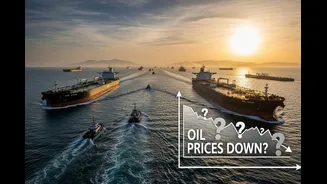
Brent crude was trading around $70 per barrel, but it had dramatically surged to approximately $119 per barrel during the height of hostilities. Following the ceasefire announcement, prices plummeted to about $93 per barrel. This initial price drop is a direct consequence of reduced immediate fears of supply chain disruptions. The closure of the Strait of Hormuz, through which a fifth of global oil and liquefied natural gas (LNG) passes, had previously been a major factor in escalating prices, exacerbated by Iranian attacks on US energy assets in the Gulf. The easing of tensions has, for now, averted the most severe supply shocks, allowing prices to recalibrate.
Lingering Gulf Disruptions
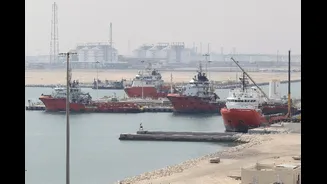
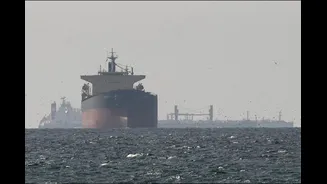
Despite the ceasefire, the situation in the Gulf remains far from normal, impacting global trade and energy flows. Since the conflict's onset, an estimated 2,000 vessels, including oil and gas tankers, cargo ships, and even cruise liners, along with 20,000 seafarers, have been stranded in the Gulf. With the Strait of Hormuz remaining effectively closed, many ships are anchored, facing critical shortages of essential supplies like food and water. Daily traffic through the Strait has dwindled from around 140 ships to single digits. Furthermore, approximately 180 million barrels of crude oil and refined fuels, along with over 1 million tonnes of LNG, are currently stranded. Even if the Strait reopens, the significant damage inflicted upon oil and gas infrastructure in Saudi Arabia, Qatar, the United Arab Emirates, and Kuwait will necessitate extensive repairs, potentially taking months to restore full operational capacity and smoothly flowing supply chains.
Infrastructure Damage & Recovery Timeline
The extent of physical damage to key energy infrastructure poses a substantial hurdle to a swift return to normal oil and gas prices. Qatar's primary LNG production hub, for instance, suffered considerable damage from an Iranian strike, reducing its output by nearly a fifth. Officials estimate that it could take between three to five years for Qatar's LNG production to return to pre-war levels. Even if Qatar begins reactivating its remaining LNG capacity next month, it may take until the end of August for its undamaged capacity to be fully operational, provided QatarEnergy deems it safe to do so during the ceasefire. Beyond production facilities, the entire process of global energy market stabilization is complicated by other factors. Insurance companies are hesitant to underwrite the risks associated with ships traversing the Strait, and ship captains are reluctant to endanger their crews. Iran has proposed a $2 million toll per ship passing through the Strait, payable in yuan or cryptocurrency, a move opposed by other Gulf nations and one that could significantly impact shipping costs and potentially fill Iran's coffers annually. The Strait remains effectively closed, with Iran controlling passage and warning that unauthorized vessels will be sunk. This creates uncertainty for shipowners and charterers, who may be cautious about re-entering the region due to fears of becoming trapped again if hostilities resume. Consequently, global shipping markets face constraints in tanker availability and elevated freight rates, hindering the revival of normal export flows.
India's Energy Security Strategy
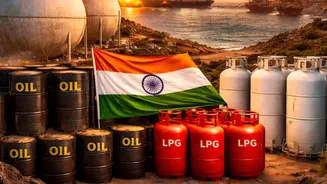
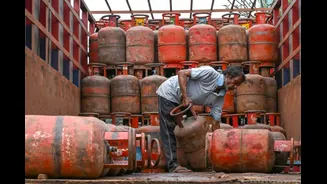
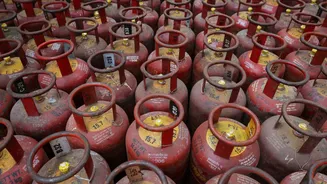
While poorer nations are already grappling with fuel shortages, India has managed to maintain a relatively stable energy situation. Domestic LPG prices and fuel prices at the pump have remained steady throughout the conflict. This stability is attributed to the government's proactive measures, including a cut in excise duty on petrol and diesel by Rs 10 per litre and directives to oil marketing companies to avoid price hikes. Only commercial LPG and premium fuel prices have seen an increase. To ensure energy security, India has implemented a multi-pronged strategy. Despite previously reducing crude oil purchases from Russia, India secured a deal to import crude under a US waiver. Similarly, a US waiver allowed India to obtain its first volume of Iranian crude in years. The nation has also successfully facilitated the safe exit of eight India-flagged LPG tankers from the Strait of Hormuz. Furthermore, India has been actively diversifying its suppliers for crude oil, LNG, and LPG in recent months, a crucial step in building resilience against future global energy market volatilities.