








The MV Hondius Unveiled
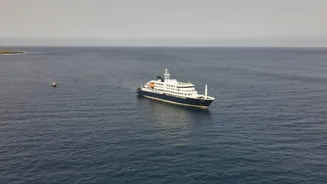
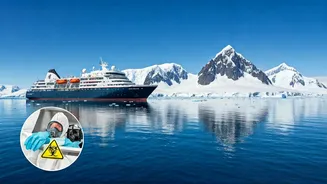
The MV Hondius is not your typical cruise liner; it's a purpose-built exploration vessel designed for the challenging polar environments of Antarctica
and the Arctic. Measuring 107.6 meters in length and 17.6 meters in breadth, this ice-strengthened ship boasts a Polar Class 6 certification, enabling it to navigate treacherous icy waters. Unlike mass-tourism vessels, the Hondius focuses on educational programming, featuring lecture rooms and observation lounges instead of casinos or water parks. It can accommodate up to 170 passengers in 80 cabins, offering a range of accommodations from grand suites to porthole rooms. The ship’s design emphasizes an environmentally conscious approach to exploration, providing passengers with intimate access to remote regions while ensuring a comfortable expedition experience.
Voyage and Passenger Manifest
The ill-fated voyage of the MV Hondius commenced on March 20 from Ushuaia, Argentina, a common departure point for Antarctic expeditions. Initially, 149 individuals, comprising 88 passengers and 59 crew members from 23 nationalities, boarded the vessel. The expedition's ambitious itinerary included traversing Antarctic waters, followed by a journey north through the South Atlantic, with planned stops at locations like the Falkland Islands, South Georgia, and Ascension Island. Passenger numbers fluctuated; by April 1, 114 guests were aboard for the second phase. Further changes occurred when six individuals joined at Tristan da Cunha on April 15, and by April 24, when the ship reached Saint Helena, 120 guests were present, including the body of a passenger who had already passed away during the trip.
Emergence of Illnesses
The first signs of serious illness emerged on April 6, when a 70-year-old Dutch passenger exhibited symptoms including fever, headaches, and abdominal pain. His condition rapidly deteriorated, leading to severe respiratory issues and his death onboard on April 11, with the cause initially unclear. The body was kept on the ship as it continued its journey. The situation intensified upon reaching Saint Helena on April 24, where the deceased passenger's remains were removed, and his wife disembarked due to her own developing gastrointestinal symptoms. Concurrently, a British passenger reported fever and breathing difficulties. By April 25, the Dutch woman had travelled to South Africa, where she passed away the following day. The British passenger was evacuated to South Africa on April 27 for intensive care. On April 28, a German woman onboard began to feel unwell, experiencing rapid deterioration and succumbing to her illness on May 2.
Hantavirus Identification and Response
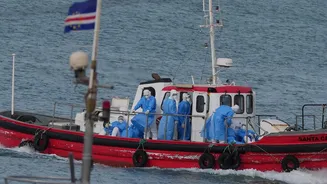
The Hantavirus outbreak began to be definitively identified on May 2, when laboratory tests in South Africa confirmed the virus in the British passenger. Two days later, testing on one of the deceased passengers also yielded positive results, leading authorities to confirm the outbreak on the MV Hondius. Hantaviruses, typically spread through rodent exposure, can cause severe respiratory illness. The World Health Organization (WHO) later acknowledged five confirmed infections and several suspected cases. By the time of confirmation, the ship was nearing Cape Verde, where three more passengers developed symptoms, including the ship's doctor. Despite medical evaluations, the vessel was not permitted to dock, and the ship remained anchored offshore while international agencies coordinated a response. On May 5, Spain agreed to allow the MV Hondius to proceed towards the Canary Islands for further management.
Global Tracing Efforts
With passengers and crew having disembarked in various countries before the virus was confirmed, a significant global contact-tracing operation was initiated. Oceanwide Expeditions worked to map the movements of everyone who had been on board since March 20. Particular focus was placed on individuals who disembarked at Saint Helena on April 24, as people from at least 12 countries had left the ship there. Health agencies in the United States, Canada, Singapore, and various European nations began monitoring returning travelers who had been on the cruise, checking for symptoms. In the Netherlands, follow-up procedures were extensive, including monitoring airline personnel and passengers who had contact with a Dutch woman who became critically ill during her journey home.
Situation Onboard
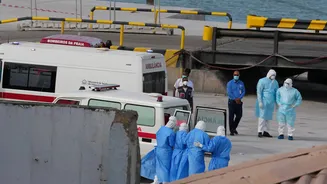
Even as the outbreak gained international attention, the situation aboard the MV Hondius remained under management. Three patients were evacuated from the vessel for medical treatment in the Netherlands and Germany. While conditions were described as generally composed among the passengers, investigations into the original source of the outbreak continued. The complex itinerary, involving remote locations and varying embarkation points, complicated the tracing of transmission patterns. Authorities also investigated inconsistencies in passenger records to gain a clearer understanding of who was on the ship at different stages of its journey.