






ASHEVILLE - Haywood and Madison voters are choosing a new representative — and a new approach to rising costs and unfinished recovery.
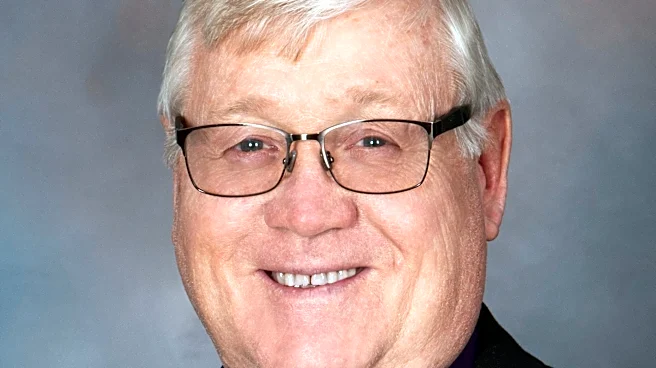
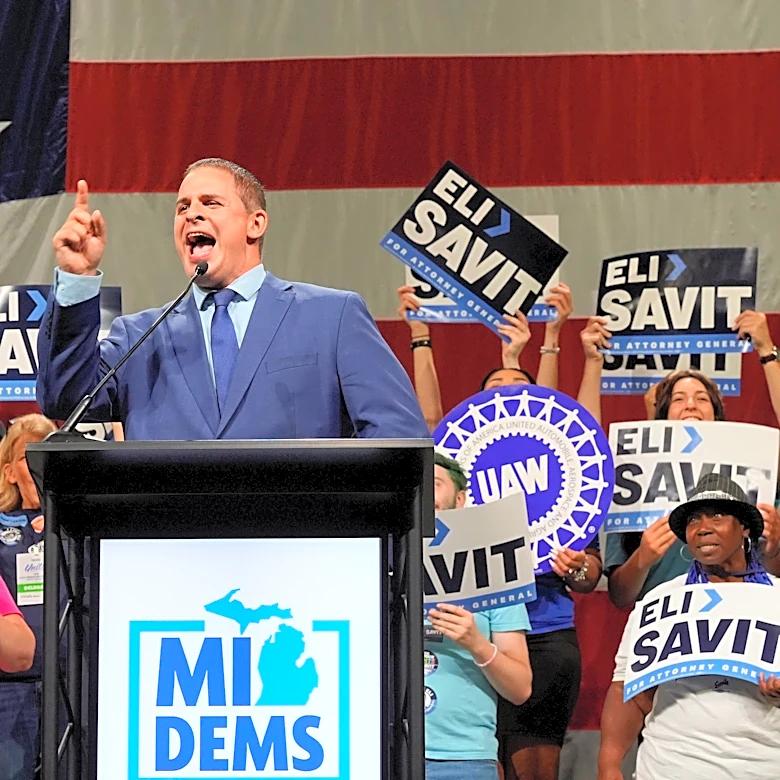
Republican Jimmy Rogers faces Democrat Danny Davis for House District 118 after defeating three-term incumbent Mark Pless in the March 3 primary. Pless lost despite bringing more than $200 million in appropriations to the district since Tropical Storm Fred cut a swath of destruction through Haywood’s eastern reaches in 2021.
Rogers, a Haywood native, studied business and finance and helped operate Haywood Tractor Company, founded by his father and grandfather. His 26 years on the Haywood County school board — a perennial top-ten performer, statewide — inform his approach to workforce training and public spending.
Davis, also a Haywood native, graduated from Western Carolina University and the inaugural law school class at Campbell College (now Campbell University). A former prosecutor appointed to the district court bench in 1984, he later served as a tribal judge and attorney general for the Eastern Band of Cherokee Indians. He continues working as a mediator.
As Haywood natives, both must work to connect with Madison County voters. Rogers points to contacts built through his family business and campaign visits.
“I know a lot of people in Madison County. I’ve formed some great relationships with their commissioners, with their county manager, with other people within the party,” he said.
Davis has visited neighborhoods, fire departments and community events, drawing on earlier experience holding court in Marshall.
“A lot of it’s just one-on-one talking to people,” he said.
NC House candidates weigh property tax limits
The proposed property tax cap amendment on November’s ballot pits homeowner relief against local governments’ flexibility to fund services. Rogers declined to say how he would personally vote on Nov. 3 but did question whether Raleigh should impose restrictions.

“We need to let local government have a large voice in this,” he said.
Davis remains undecided, acknowledging taxpayers’ frustration but questioning how the limits would work.
“What I’m not for is being deceitful about how you do that (cap taxes but ensure essential services remain funded), and being cagey about ‘Okay, we’re going to cap these property taxes for you,’ and then not telling you specifically what they’re going to do,” he said.
Affordability extends beyond taxes to wages and the cost of everyday necessities. Rogers proposed preparing sites for employers suited to mountain communities, supporting existing businesses and aligning training with available jobs. He would examine eliminating grocery taxes and strengthening fuel-tax protections.
“Removing one tax only to replace it with another is not tax relief,” he told the Citizen Times Sept. 28.
Davis favors eliminating sales taxes on essential services such as electricity, expanding pre-K and exploring school-based child care.
“You know, it’s not just an affordability crisis,” he told the Citizen Times Sept. 24, in support of raising the state’s minimum wage of 7.25 for the first time in 17 years. “It’s a wage crisis.”
Davis also wants expanded homestead property tax relief. For 2026, homeowners 65 or older or totally and permanently disabled face a $38,800 income eligibility limit. Those qualifying can exclude $25,000 or 50% of their home’s appraised value, whichever is greater, according to county tax guidance.
Housing and farmland shape mountain growth
Housing policy must expand the supply of affordable homes while accounting for limited land, infrastructure and flood risks. Rogers pointed to infrastructure investment and rehabilitation as viable solutions.
“Western North Carolina needs more attainable housing, but simply overriding local land-use decisions from Raleigh is not the answer,” he wrote.
Davis would explore relief on water and sewer connections and a renter tax credit to help households save for homeownership, with community input on denser development.

“I don’t want to do things to people,” he said. “I want to do things for people.”
Farmland preservation is a critical issue in both Haywood and Madison counties and raises a related question about helping farmers resist development pressure without denying them their property’s value. Davis supports preservation but wants farmers involved in designing assistance.
“It’s going to be hard to turn down millions of dollars and still keep on farming,” he said.
Rogers supports increasing preservation funding on the state level and has discussed the issue with legislative agriculture leaders.
Helene recovery remains unfinished in Western North Carolina
Helene recovery requires moving assistance to survivors and preparing communities for when — not if — the next disaster comes. Davis points to displaced households and struggling businesses in Clyde, Marshall and Hot Springs, arguing WNC needs more forceful advocacy.
“I think if this had happened in Wake County, what do you want to bet a lot of this stuff would be fixed by now?” he said.

Rogers would prioritize damaged roads, bridges and water systems, improve accountability and work with federal representatives on delayed assistance.
“Let’s get it done. Let’s get the money moving. Let’s get people taken care of,” he said.
School vouchers face bipartisan scrutiny
Opportunity Scholarships fund private K-12 tuition, prompting debate over public school resources and who should receive assistance. Rogers leans toward freezing the program while lawmakers reassess it.
“I don’t think it needs to be expanded. I think we need to find out why — why do we want to expand it?” he said.
Davis opposes vouchers for wealthy families and would promote private school assistance only after public schools receive adequate funding.
“Our kids, we ask them to do their best when they go to school. What the hell are we doing? We’re not doing our best,” he said.
House candidates pledge transparency in Raleigh
Transparency, for the General Assembly, has diminished since it decided in 2023 that legislators’ emails aren’t public records anymore. Both candidates agreed to disclosure while acknowledging some matters require confidentiality. Rogers cited his school board experience.
“You shouldn’t have something on your legislative email system if you don’t want somebody to see it,” he said.
Davis said he would release records voluntarily.
“I mean, I’m not going to hide things from people when I go down there,” he said. “I serve the people. They should know what I’m doing.”
Candidates seek Flock camera and data center safeguards
Flock license plate cameras offer investigative leads but raise concerns about surveillance and misuse. Davis, a judge, proposes assigning case numbers to inquiries, mandatory supervisory approval and periodic audits.
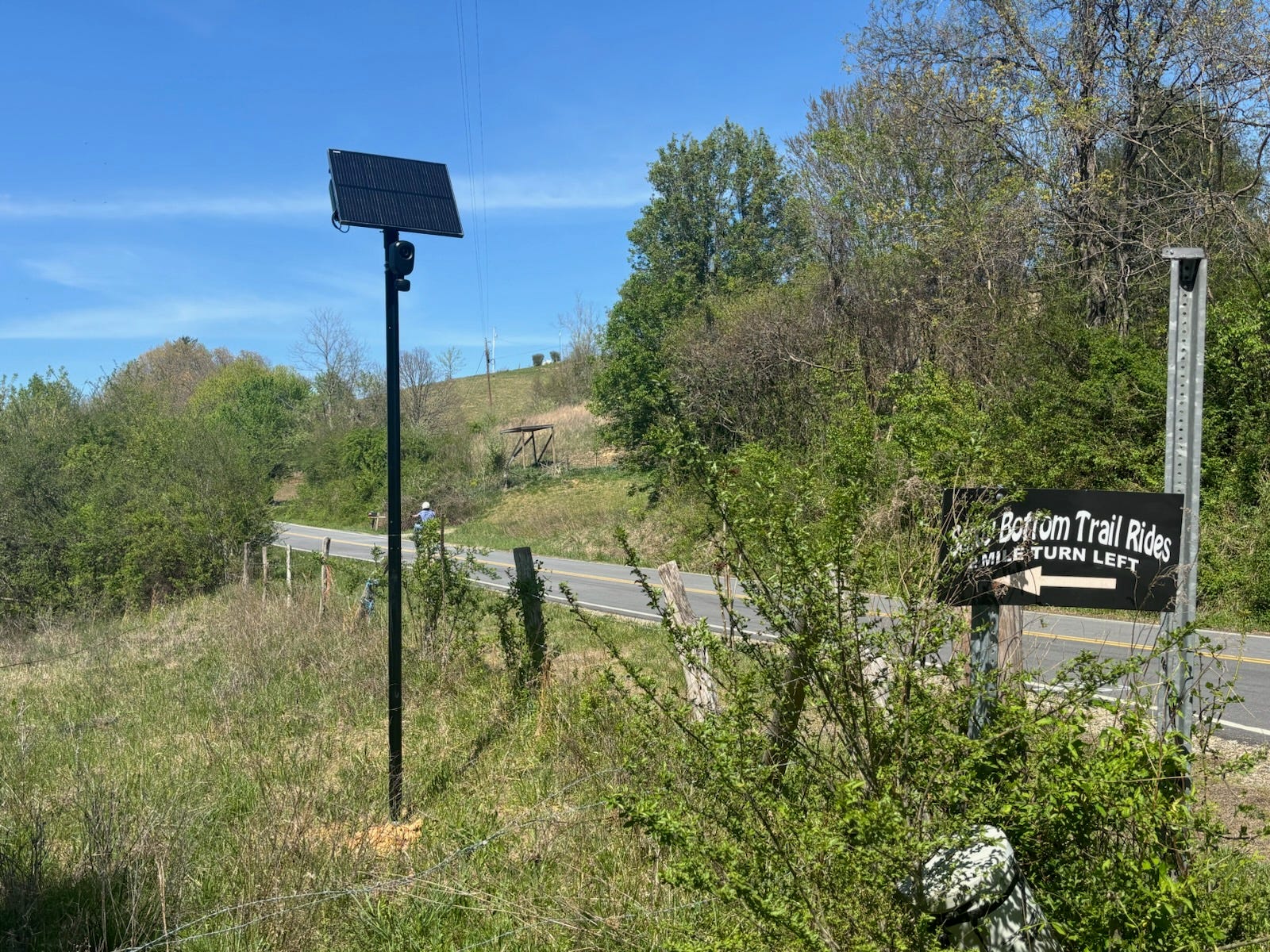
“So if you abuse it, you’re gone. I would make it a criminal offense to abuse it, to try to track somebody for not a valid reason,” he said.
Rogers wants stronger controls over access and information storage.
“An officer should have to have a warrant,” he said.
Data centers raise questions about utility demands, local control and taxpayers’ exposure to private development costs. Rogers supports local decision making and further study.
“If they want their data center, they’re going to be fully responsible,” he said.
Davis would allow longer local moratoriums and require ownership disclosures and impact assessments.
“What happens if they go out of business and they fold. Who is left holding the bill? Is it the taxpayers?” he said.
He proposes requiring a bond to protect communities against those costs.
National political climate reaches NC House 118 race
National politics could also influence voters’ choices in this local contest.

The district’s Democratic performance averaged 37.8% across 2016-2022 elections, according to nonpartisan mapping website davesedistricting.org. Davis reports growing enthusiasm, but says his focus remains working families and small businesses.
“If it’s a winning message, good," he said. "If it’s not, then I’ll gladly stay home."
Rogers expects national headwinds — currently trending against Republicans — to affect his race, but is focusing only on the office he is seeking.
“I cannot control the gas prices in America. I cannot control the war in Iran. I cannot control what’s going on in Ukraine, but we can control what happens here in Haywood County, Madison County and District 118, for sure,” he said.
Cory Vaillancourt is the Helene Recovery/Investigations Reporter for the Asheville Citizen Times. Find him on X at @The_CoryV or on Signal, via email at cvaillancourt@citizentimes.com or at 912-508-5640.
This article originally appeared on Asheville Citizen Times: NC House 118 candidates outline visions for school vouchers, Flock