





Two proposed amendments to the North Carolina constitution have the potential to radically disrupt revenue for local governments while making handouts to corporations and the wealthy permanent, according to an analyst with the NC Budget and Tax Center.
North Carolinians will vote in November on the amendments, which would modify existing tax policy.
Capping income tax rates

One of the amendments would cap the income tax rates for individuals and corporations at 3.5%.
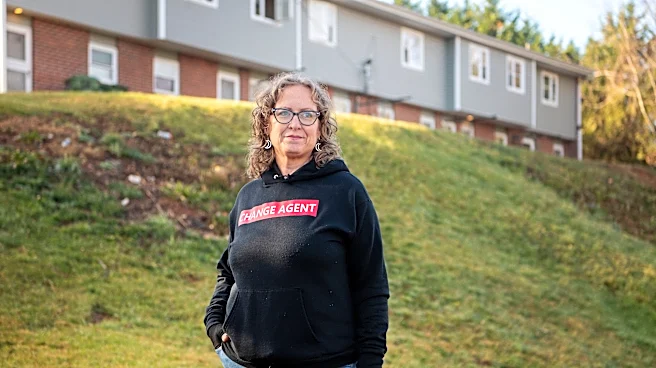
Sally Hodges-Copple, senior public policy analyst for the nonpartisan budget and tax center, told the Citizen Times Thursday, Sept. 24, that while North Carolina's personal income tax rate is currently 3.99%, the rate already is set to decrease to 3.49% in 2027. The corporate rate is currently just 2% and is set to be
eliminated by 2030.
What the amendment would do is lock in the last 13 years of income tax cuts that specifically benefit corporations and the state's wealthiest households, Hodges-Copple said. She added that because the 3.5% limit would be a provision in the state constitution, it would be difficult to impose a rate exceeding it.
Taxpayers would likely experience the effects of decreased revenue through increased fees, which tend to be enacted when income taxes are limited, she said.
"The costs don't go away. They just get shifted onto local government and onto families and individuals," she said.
Votes in the North Carolina Senate and House to refer the amendment to the ballot were along party lines, with Republicans supporting it and Democrats opposing it.
Republicans have argued that the amendment would help protect taxpayers. According to the Carolina Journal, Gov. Josh Stein, a Democrat, countered in a news conference that while the amendment says it will lower taxes, that is already happening by law.
“It will not put any more money in anyone’s pockets,” Stein said. “But what it will do is make regular people pay the consequences of it next year and years into the future because it will insulate the very wealthy from ever having an increase in their income tax. We have to have a balanced budget every year when revenues are needed. You know who’s going to have to pay? It’s you. Regular people every time they go buy something through the sales tax.”
Limiting property taxes
The other tax-related amendment voters will decide on in November would require the Legislature to limit the amount that property taxes can increase, taking control away from local governments and placing it in the hands of state lawmakers.
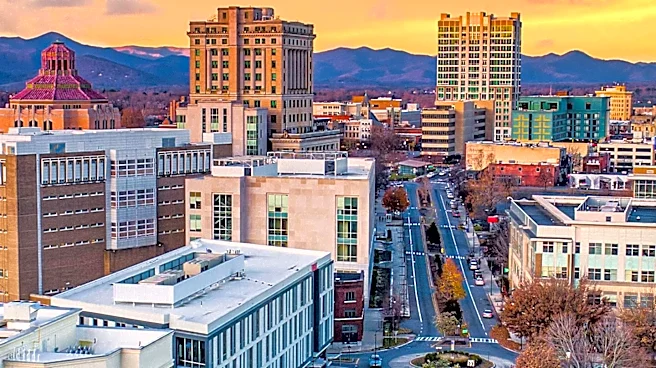
In Buncombe County, 66% of local fund revenue for government services comes from property taxes, according to a report from the NC Budget and Tax Center.
Those services include public libraries, law enforcement, public education and emergency services. In Buncombe, 32% of the cost of running public schools comes from local funds, according to the budget and tax center's report.
As with the income tax cap ballot issue, votes on the property tax amendment also were along party lines in both legislative chambers, with Democrats in opposition and Republicans supporting it.
A report from the North Carolina Housing Coalition found that under a hypothetical 2% levy limit, the average homeowner in North Carolina would only save $84 a year on property tax while local governments would lose $950 million in property tax revenue.
"That would be enough revenue to bring every paid fire protection worker in North Carolina up to a living wage. It would be enough to fund annual salaries of almost 16,000 police officers," Hodges-Copple said.
If local governments can't adjust their property taxes, residents will likely see some combination of service cuts and higher fees in their communities, Hodges-Copple said.
In addition, she said, voters wouldn't know what the cap would be because the Legislature hasn't established a limit. Lawmakers in Raleigh would get to decide how much property tax Buncombe County could collect for needs like housing, disaster recovery, public education and emergency response.
"It would not be local elected leaders making that decision about revenue," she said.
Kara Fohner is the Public Safety Reporter for the Asheville Citizen Times. Email her at kfohner@usatodayco.com or call her at 980-241-8671.
This article originally appeared on Asheville Citizen Times: Ballot limits on income, property taxes could be costly, analyst warns