







ASHEVILLE - The U.S. Forest Service has initiated the process of rolling back protections that prevented logging and construction across 45 million acres of national forests, including forests near major North Carolina hotspots like Craggy Mountain, Mt. Mitchell and Graveyard Fields.
The move comes nearly a year after the U.S. Forest Service first indicated it would move to eliminate the "Roadless Rule" as President Donald Trump ordered his administration to increase logging across public lands. The agency's August 2025 notice of intent regarding the rule led to a public comment period, where many wrote in opposition to the USDA's plan. Enacted in 2001, the rule protects more than up to 58.5 million acres of the 193 million acres of National
Forest across the country.
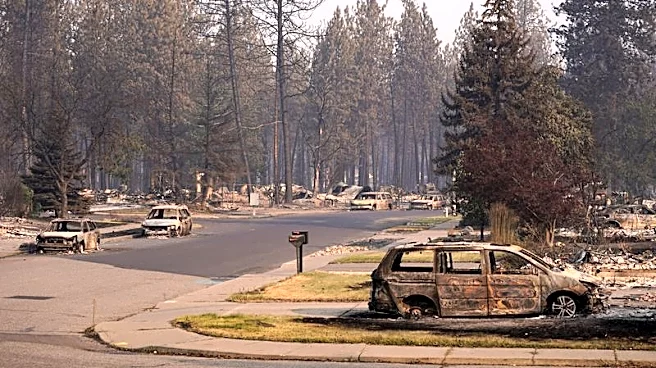
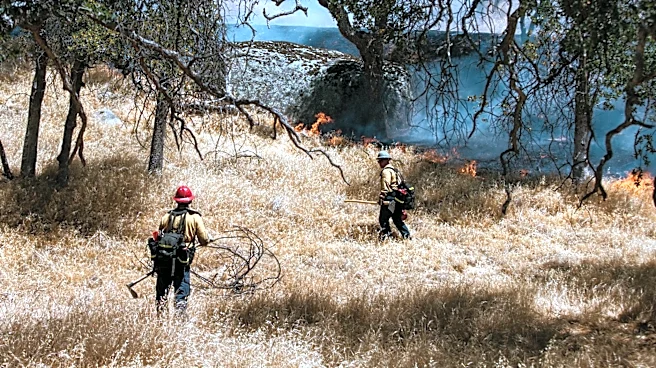
In the Aug. 18 announcement to rescind the Roadless Area Conservation Rule, Agriculture Secretary Brooke Rollins described the rule as "outdated" and "failed." Though the administration has sought to increase logging, the revocation effort was described as helping "reduce wildfire risk."

"For too long, outdated restrictions have kept tens of millions of forested acres off-limits to the very treatments that improve forest health and reduce wildfire risk to our communities," Rollins said, adding that the USDA needed to return "our forests to health and productivity."
The Forest Service's announcement was followed by a burst of criticism, with environmental nonprofits, activists and legal centers across the political spectrum denouncing the decision. In news releases, the Conservatives for Responsible Stewardship President David Jenkins called the decision "one of the most boneheaded and fiscally irresponsible actions this administration could take," as the U.S. Department of Agriculture continues to face a backlog of road maintenance across the country. The NC Sierra Club described the move as one that will "devastate" national forest land. The USDA did not immediately respond to a request for comment on the proposal to rescind the rule.

Of the state's roughly 140,000 acres of national forest protected by the rule, most of North Carolina's roadless land is in the mountains, and within an hour drive from Asheville, including Big Ivy, a roughly 16,000-acre area known for its waterfalls, mountain vistas and popular recreation opportunities. The areas are part of the Pisgah and Nantahala National Forests, which spread across 1 million acres of rugged and forested terrain in Western North Carolina.
Other areas protected by the rule in WNC include South Mills River and Craggy Mountain, according toa map of areas protected by the roadless rule released by the USDA. Lost Cove, Harpers Creek, Wilson Creek, Laurel Mountain and Graveyard Ridge, which sits above Graveyard Fields, are also protected.
They make up part of the ring of "pristine" national forest land surrounding Asheville, Southeast Director for the Center for Biological Diversity Will Harlan told the Citizen Times Aug. 18. Opening them to build new roads could damage both local wildlife and impact the region's bustling outdoor recreation economy, he worried.
Most areas around Asheville would be impacted by the first alternative included in the proposed recission, which has not yet been published, according to a map released by the USDA on Aug. 19.
Many roadless areas are the "wildest" areas of national forest left and are home to native and endangered species, like the eastern hellbender, Harlan said.
It is unclear, too, whether the effort will prevent wildfires, Harlan said. Though Forest Service Chief Tom Schultz pointed to some areas protected by the rule as having "very high wildfire risks," the Center for Biological Diversity pointed to studies that found roads lead to a higher number of ignitions, rather than less. Harlan described the use of wildfires in messaging as a "scare tactic" that does not reflect the administration's actual intent to increase logging and potentially open up more public land for sale.

Abigail Hunt, an associate attorney from the Southern Environmental Law Center, called the administration's decision to pursue rolling back the roadless rule as part of a broader effort to "liquidate the American people's property." Revoking the rule aligns with Trump's executive orders seeking to increase timber production and deregulate the federal government, the USDA noted in its release.
Aside from serving as bastions for rare and native species, roadless areas also help reduce runoff and keep local waterways cleaner, Hunt told the Citizen Times Aug. 18.
"In rescinding the roadless rule, we're essentially opening up most of our most beloved, most intact places to logging and road building, which will leave scars that can't ever be fully mended," Hunt said.

Public comment due Sept. 21, USDA says
The filing of the proposal to revoke the roadless rule is just a step in a longer process to fully revoke the rule, Hunt said. The proposed rule, which is set to be published Aug. 20, can be visited www.regulations.gov and public comments must be received by midnight Sept. 21.
Will Hofmann is the Growth and Development Reporter for the Asheville Citizen Times, part of the USA Today Network. Got a tip? Email him at WHofmann@citizentimes.com or message will_hofmann.01 on Signal.
This article originally appeared on Asheville Citizen Times: Trump admin moves to end protections for 'pristine' national forest land