

To reflect on Asheville’s 2026 mayoral contest is to reflect on the passage of time, and on the ways the city’s history continues to, if not repeat itself, at least rhyme.
As was the case in 2022, incumbent Mayor Esther Manheimer faces incumbent City Council member Kim Roney. As before, Manheimer is touting her collaborative approach and the value of continuity in leadership; Roney emphasizes government transparency and the promise of change. Manheimer emerged the winner that year by a margin of about 8%.
Yet the dynamics of this year’s race are different. Roney, who had previously run as an independent in Asheville’s nonpartisan mayoral and Council contests, switched her affiliation to Democratic for this election cycle to “build a bridge” with
a broader electorate. Meanwhile, Manheimer has worked to shore up support from the party’s leaders — most notably Gov. Josh Stein, who endorsed her Oct. 1.
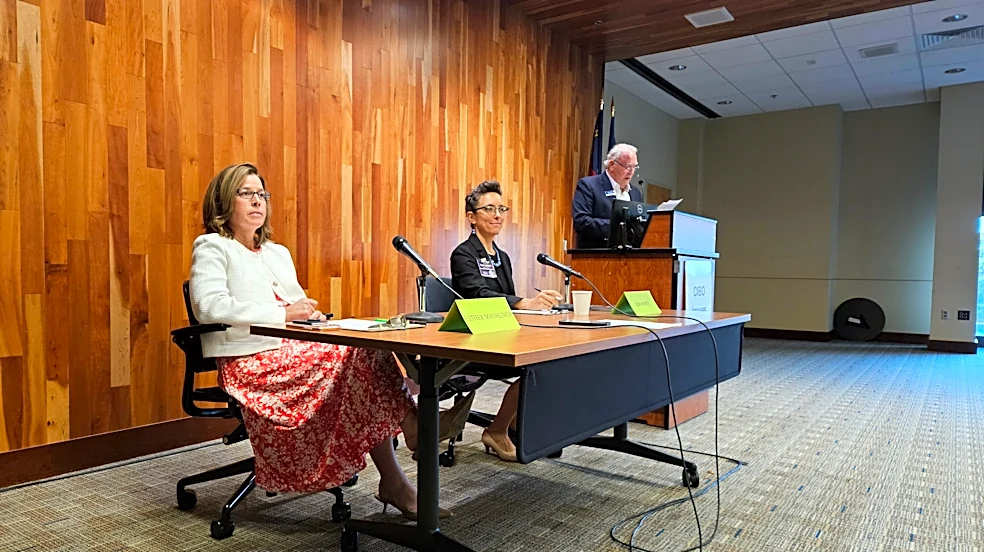
And at times on the campaign trail, the two candidates have taken a much more aggressive tone than in their first contest. During a Sept. 11 forum with the Council of Independent Owners, for example, Manheimer accused Roney of lying about government meetings and working “to bring chaos” to City Council. At the same event, Roney said the mayor had offered Asheville “12 years of dissatisfaction” since her first election in 2013.

History will keep unfurling for whomever wins the midterm election. The mayor will largely set Asheville’s agenda over the next four years, as well as cast a vote on the seven-member Council. With that perspective in mind, the Citizen Times asked both candidates to reflect on how they would guide the city over the longer term.
Addressing the budget gap
Asheville’s fiscal discussions this year were consumed by talk of the “budget gap”: the difference between city revenues and expenses, initially projected to be as much as $30 million. City Council eventually plugged that gap through a mixture of property tax increases, spending cuts, and the use of financial reserves.
But city staff also informed Council members that the gap will likely return annually over the next five years. Projections show general fund revenues falling short of expenses by about $8.7 million next year — and as much as $25 million in 2031 — even after the property tax increase approved this year.
Asked how she will address this structural imbalance, Manheimer said she plans to support City Manager DK Wesley as she seeks greater efficiency within the city’s nearly 1,400-strong workforce. The mayor also wants to expand the options Asheville has for revenue through advocacy at other levels of government.
Manheimer supports working together with Buncombe County, for example, to bring about a local referendum on a quarter-cent sales tax for transit funding. And she wants to collaborate with the local restaurant industry to build support for a food and beverage tax, permission for which would have to be granted by the state legislature. (The mayor has been suggesting both new tax proposals since at least 2018.)
Roney also wants to diversify Asheville’s revenue through legislative advocacy, with her focus on the occupancy tax that visitors to Buncombe County pay when staying at hotels or short-term rentals. Under a state law last revised in 2022, two-thirds of that money must go toward marketing the area, with the remainder supporting capital projects that boost tourism.

“We’re already receiving it; it’s just not going into the infrastructure we need,” Roney said of the occupancy tax. “What I’m not yet hearing is enough of a message coming from our neighbors who serve in the Tourism Development Authority to advocate for that change in Raleigh.”
Another budget strategy Roney favors is partnering with other governments to avoid duplicated costs. By operating a regional transit authority instead of separate systems, she said, Asheville and Buncombe County could both become more efficient. She also pointed to the city of Durham, which has integrated with its county government on planning and development.
Supporting infrastructure
Contributing to Asheville’s fiscal concerns are the city’s extensive infrastructure needs. Aging facilities like its 55-year-old transit maintenance facility and 86-year-old Thomas Wolfe Auditorium need repairs or replacement; Helene recovery has added another layer of demands.
Partnership is also at the core of Roney’s approach to infrastructure. She said the city should work with county government, local nonprofits, and the business community to get the most of new facilities and share ongoing maintenance costs. Transit and parks, she suggested, were great examples of opportunities to collaborate.
On Helene-related needs, Roney said she wanted to work with Asheville’s new representation in Congress. “I’m really hopeful that the people of Western North Carolina are going to send a representative like Jamie Ager, who’s going to be a champion for more Helene recovery funds,” she said.
Manheimer said that her own experience working with other officials to advocate for funds in the wake of Helene was a key reason she wanted to seek a fourth term.

“Once I started going to Congress and understanding all the complexities around a long-term recovery effort and the role of the mayor in that effort, it became apparent to me that if we’re going to fully receive every dollar we could receive — which totals about a billion dollars — I’m going to need to continue to work to bring those funds home to our community,” the mayor told the Citizen Times.
Manheimer flagged upgrades to Asheville’s water system as a core priority and said success at landing grants required ”continuous advocacy for our community to be able to be first in line.” Her existing relationships at the state and federal levels, she said, would help ensure funding for projects like a $150 million filtration system at the North Fork Water Treatment Plant.
Keeping Asheville’s promises
Helene recovery is an obvious and pressing concern for the city. But over the past decade, Asheville has also established other big goals: priorities like reparations, the climate emergency, and a transit master plan. On these and other initiatives, advocates have often argued that city has not taken action commensurate with the scope of its promises.
Manheimer said that setting plans was often a key first step to securing grant funds for city work. However, she acknowledged that “not all plans age well,“ whether due to shifting economic circumstances or changes in Council’s political will.
Over the next four years, she continued, Asheville should concentrate its efforts on plans with broad support, such as the GAP Plan for greenways, accessibility, and pedestrian infrastructure. The mayor also said she’d work to build consensus on implementing policies outlined by the Missing Middle Housing Plan and Affordable Housing Plan.
Roney said she’d encourage more public conversations for the community to help Asheville reset its focus. But she named transit as one of her own top priorities, citing urgent needs for connectivity in South Asheville and a ”downtown circulator” to move workers and tourists more efficiently.
The challenger also praised Asheville’s recent move to fund “resilience hubs” as a step toward the city’s climate and renewable energy commitments. These community-led facilities could provide services like solar-powered electricity and refrigeration during future extreme weather events, which will become more likely as the climate warms due to the burning of fossil fuels.
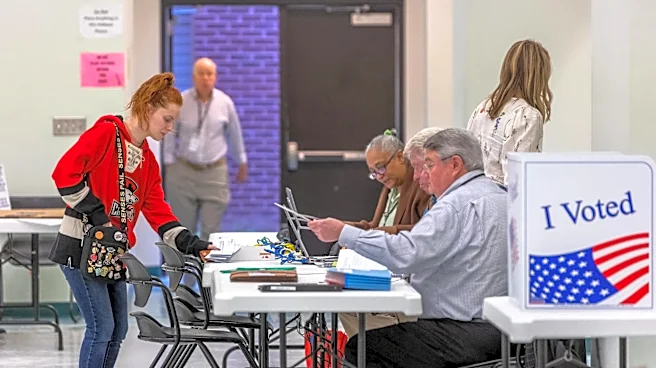
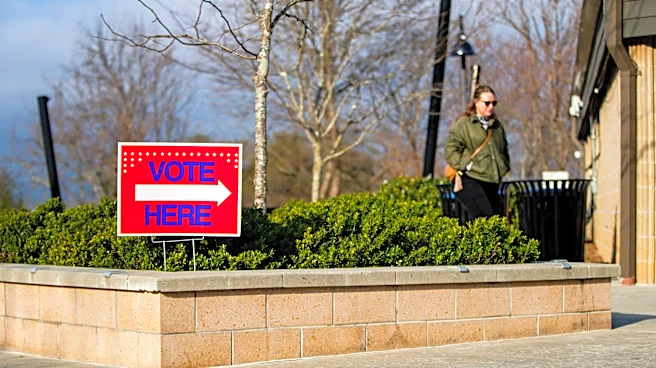
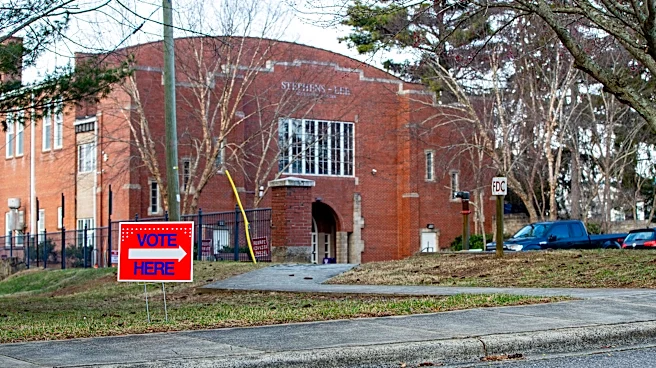
Early voting for Asheville and Buncombe County’s midterm elections runs through Saturday, Oct. 31. Election Day is Tuesday, Nov. 3. More information on where and how to vote is available through the Citizen Times voter guide.
Daniel Walton is the City Government Watchdog Reporter for the Asheville Citizen Times. Email him at dwalton@citizentimes.com, and connect with him on social media through Facebook, Instagram, or Reddit.
This article originally appeared on Asheville Citizen Times: How would Asheville's mayoral candidates shape the next four years?