


An American president’s words once inspired actions for national service to contribute to building a positive image for the nation. “Ask not what your country can do for you – ask what you can do for your country.” President John F. Kennedy in his inaugural address inspired many Americans to serve at home and abroad to display the best values and ideals of their homeland.
Foreign relations and the U.S. image abroad are generally not considered among major concerns for U.S. voters pulling levers in voting booths. It’s a commonplace political adage that U.S. conduct of international relations is a non-issue in American elections. I disagree. Now, more than ever, foreign relations should be recognized as critical factors underlying economic concerns.
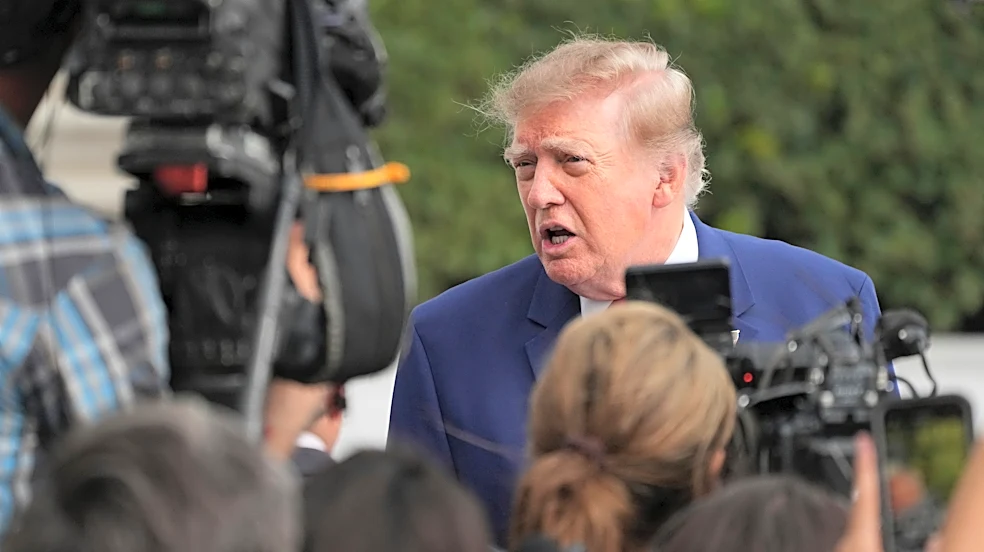
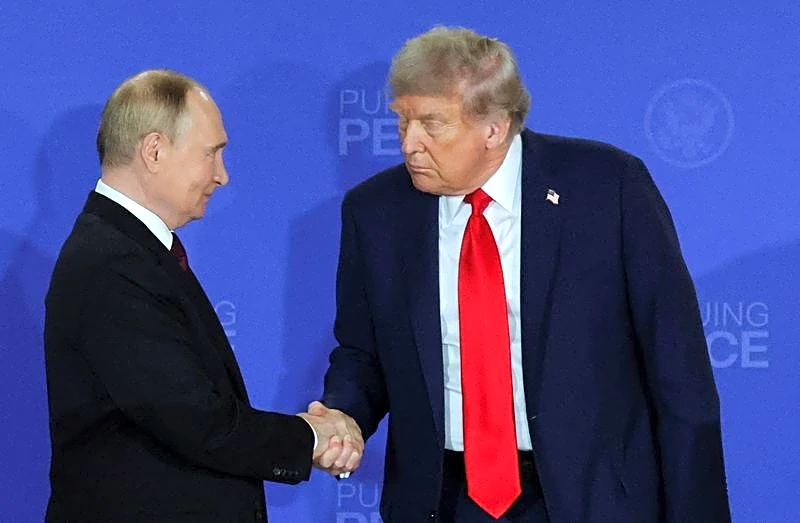
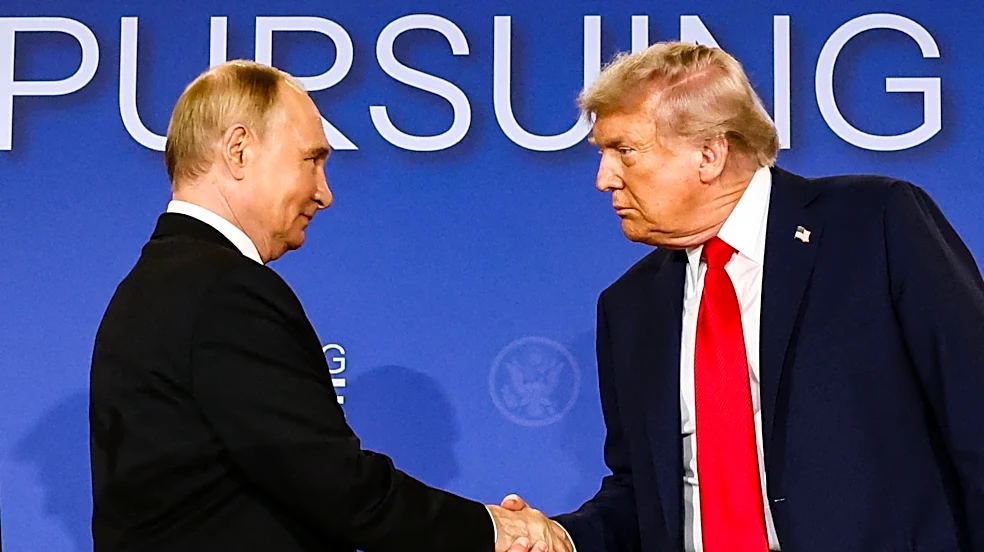
What in 2026 is behind the proclaimed key economic issues of critical concern to voters? Today almost all domestic issues of widespread concern exist or have been exacerbated by actions of this country’s current leadership in the international arena—tariffs; verbal bullying of allies; desecrating alliances; praising authoritarian rulers; wars, invasions; violent, crass attacks on other leaders and peoples; dismissal of American career diplomats and military leaders, even changing the U.S. Defense Department’s name back to the pugilistic War Department; breaking international trust, making US more vulnerable; refusal to appreciate and conduct diplomacy for peace and security; attacks on American freedoms, speech, press, religion, other human rights; dismemberment of valuable institutions the whole world once looked up to for humanitarian, scientific, health, educational, diplomatic support.
Saying that U.S. foreign relations don’t affect the national economy and, therefore, American elections, is factually wrong. The nation’s international dealings underlie issues in both national and local elections. It would behoove candidates as well as voters to recognize this, become more knowledgeable, and demand leadership that seeks beneficial foreign relations for this country.
Decades ago, I began teaching university courses on what I call “the politics of global images.” Pictures people have of the world’s places—countries, regions, cities, neighborhoods— once set, are often viewed as uniform, unchangeable branding. Widespread stereotypes of places reflect global imaging, most often formed by the actions of power holders, elected leaders, and then perpetuated by the global media repeating those negative pictures to represent not only the country’s ruler but also its citizens. Course-participants always noted that the USA has long embodied some negative images among numerous people worldwide. Yet in the past many positive images always countered negative ones.
Despotic leaders can damage a nation’s image in short time. Then, changing global images from negative back to positive is extremely difficult, often seemingly impossible. Ask Germany, Japan, Russia, other countries, and now the USA. To set about trying to erase negative stereotypes often requires a long period of time to demonstrate the country has reformed.
Now in less than two years, U.S. leadership has for incomprehensible reasons contributed to creating an overall negative image of this country shared by many worldwide. American citizens should recognize that these upcoming elections rest on electing people who will work to repair the radical damage and strive to recreate truly positive images of our nation.
As a U.S. Peace Corps Volunteer decades ago, and today looking forward to attending an annual gathering of other returned volunteers (RPCV)s in Western North Carolina, I always remember those words with which President Kennedy in his inaugural address inspired Americans and then early that same year, 1961, established the Peace Corps for volunteer service around the world. Notably this year bipartisan bills are still languishing in Congress, in both the Senate and House, in support of the Peace Corps’ 65th anniversary, resolutions to continue encouraging such volunteer service dedicated to contributing to American diplomacy, peace and security.
Again, urgently, we need bipartisan leadership uniting behind foreign policy supporting national security and economic stability by promoting peace through positive outreach to the world. Our elections should bring national leaders who reject belligerent language and actions and instead advocate the highest ideals of the U.S. worldwide.
These 2026 USA elections concern not only the economy but rest on urgently repairing this country’s international relations looming behind economic issues. American citizens can show in their voting that cleaning this country’s global image and restoring positive U.S. foreign relations matter.

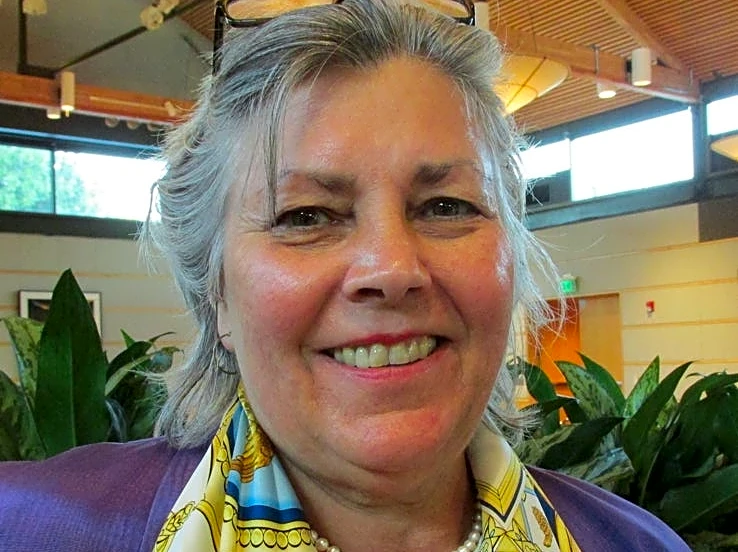
Elizabeth “Liz” Colton, an author, diplomat, educator, and Emmy Award winning journalist, currently teaches diplomacy and communications for UNITAR and international universities’ global courses. She also served as a U.S. Peace Corps Volunteer in Kenya and later a U.S. Foreign Service Officer in eight overseas posts.
This article originally appeared on Asheville Citizen Times: Opinion: U.S. foreign relations loom behind voters' economic concerns